by Powerbits
- This topic has 0 replies, 1 voice, and was last updated 12 months ago by
 Powerbits.
Viewing 0 reply threads
- You must be logged in to reply to this topic.
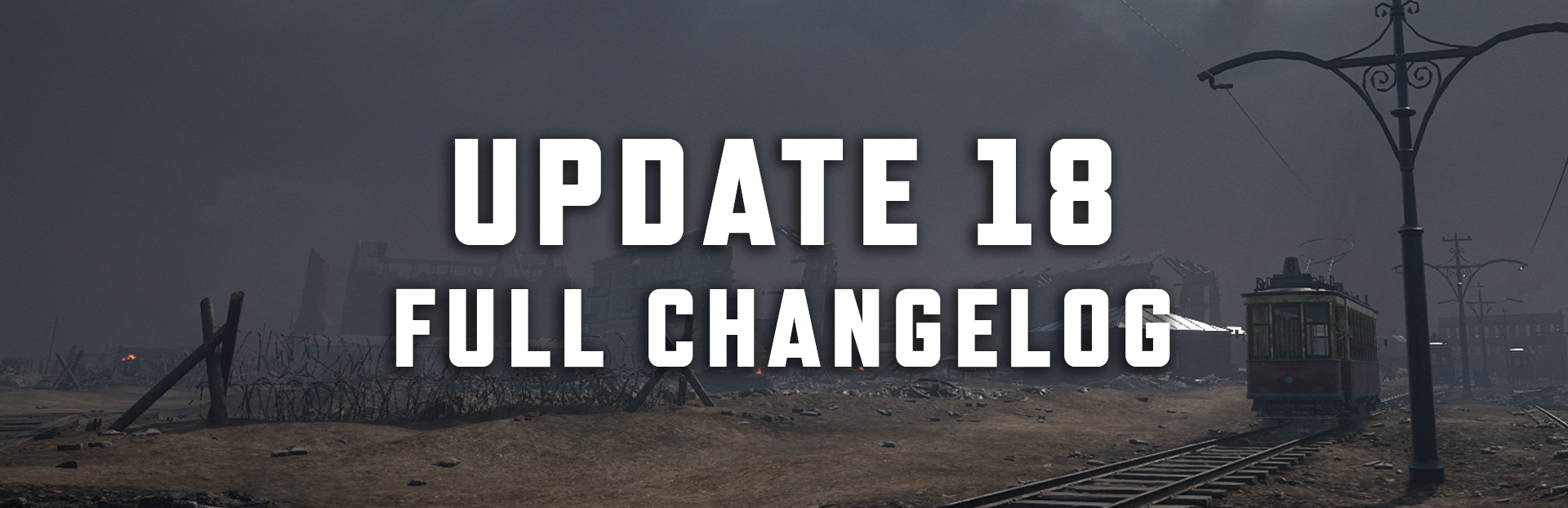
Hello Everyone,
Update 18 is almost here, and will deploy across all platforms tomorrow on Tuesday 7 October.
With this update, we’ve returned to one of our favourite legacy maps, Stalingrad, giving it a major refresh. We’ve also rolled out the first phase of our highly anticipated armor rework, alongside several quality-of-life improvements and important bug fixes.
Update 18 marks the first of two major updates planned before the end of 2025, with Update 19 arriving in November. We can’t wait to hear your feedback and see you back on the battlefield of Stalingrad.
Thank you, as always, for your continued support.
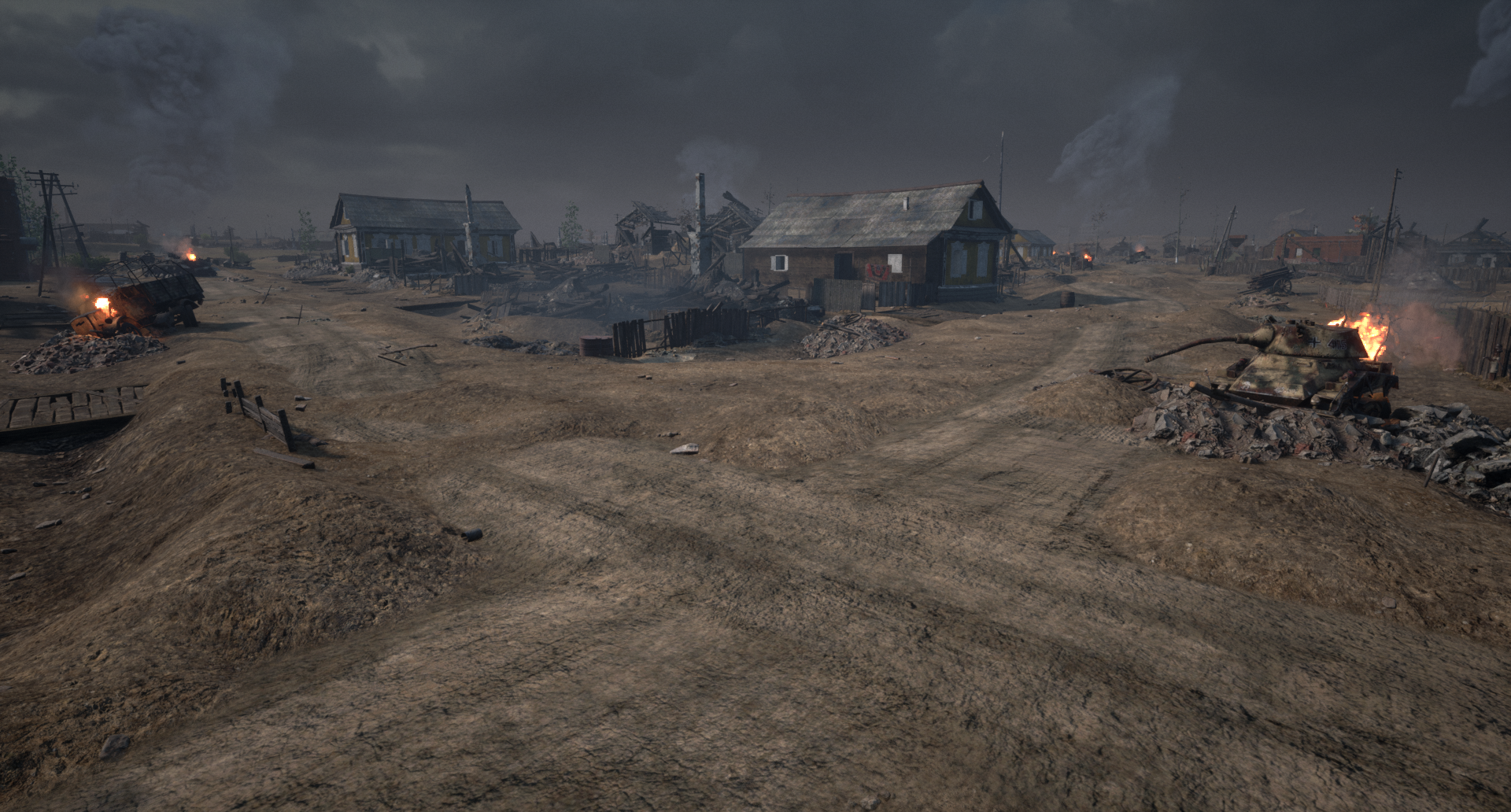
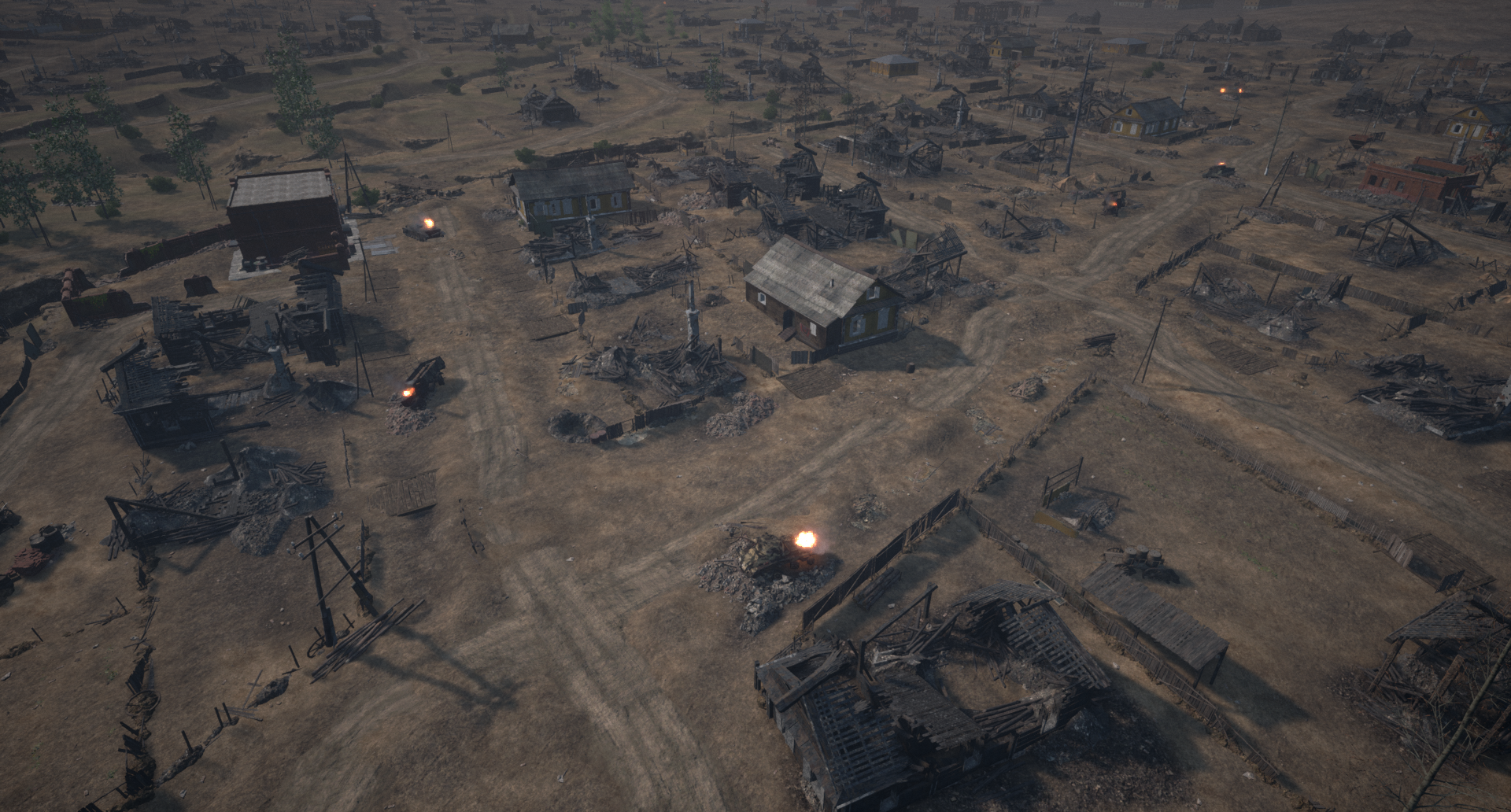
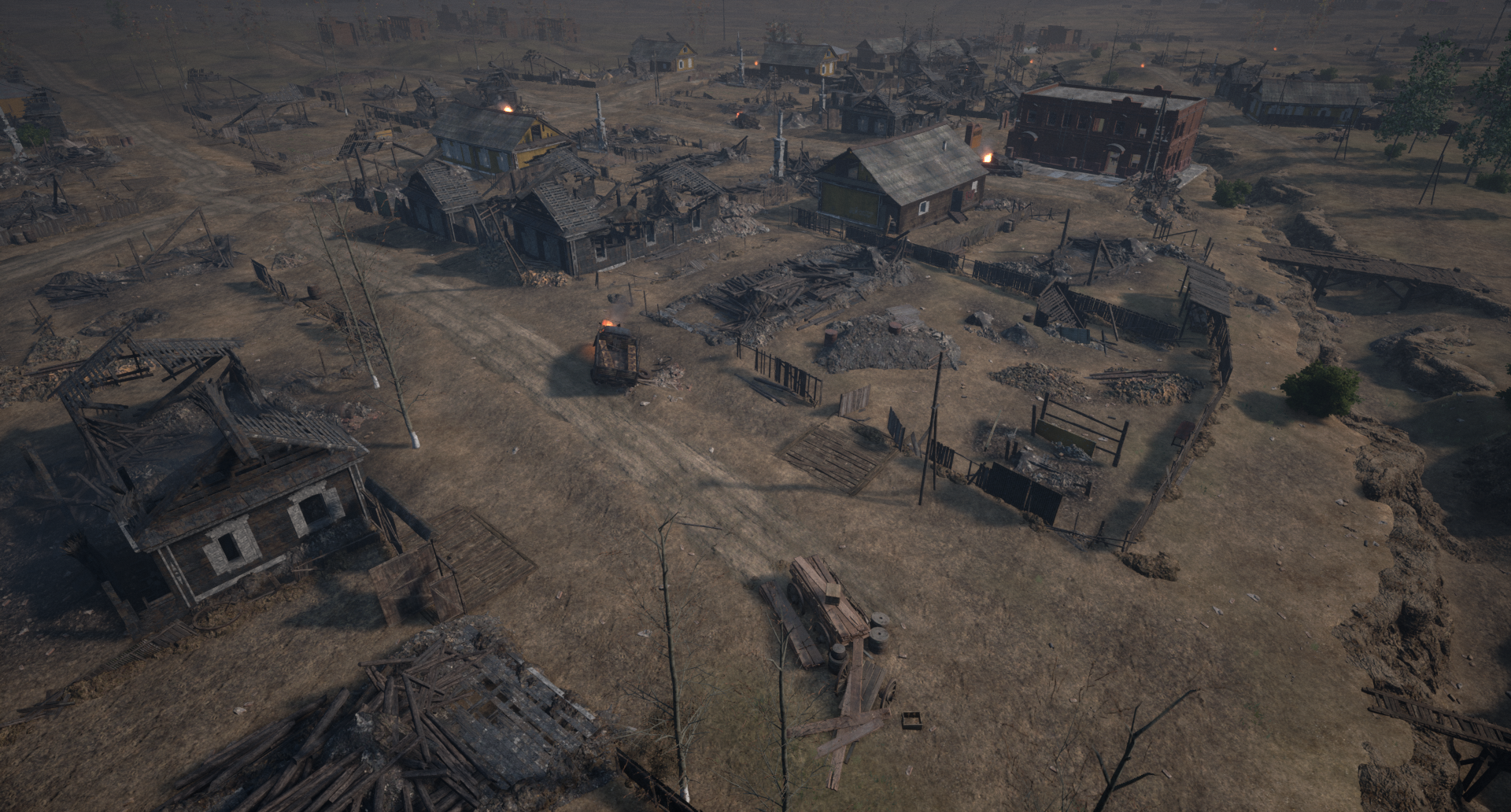
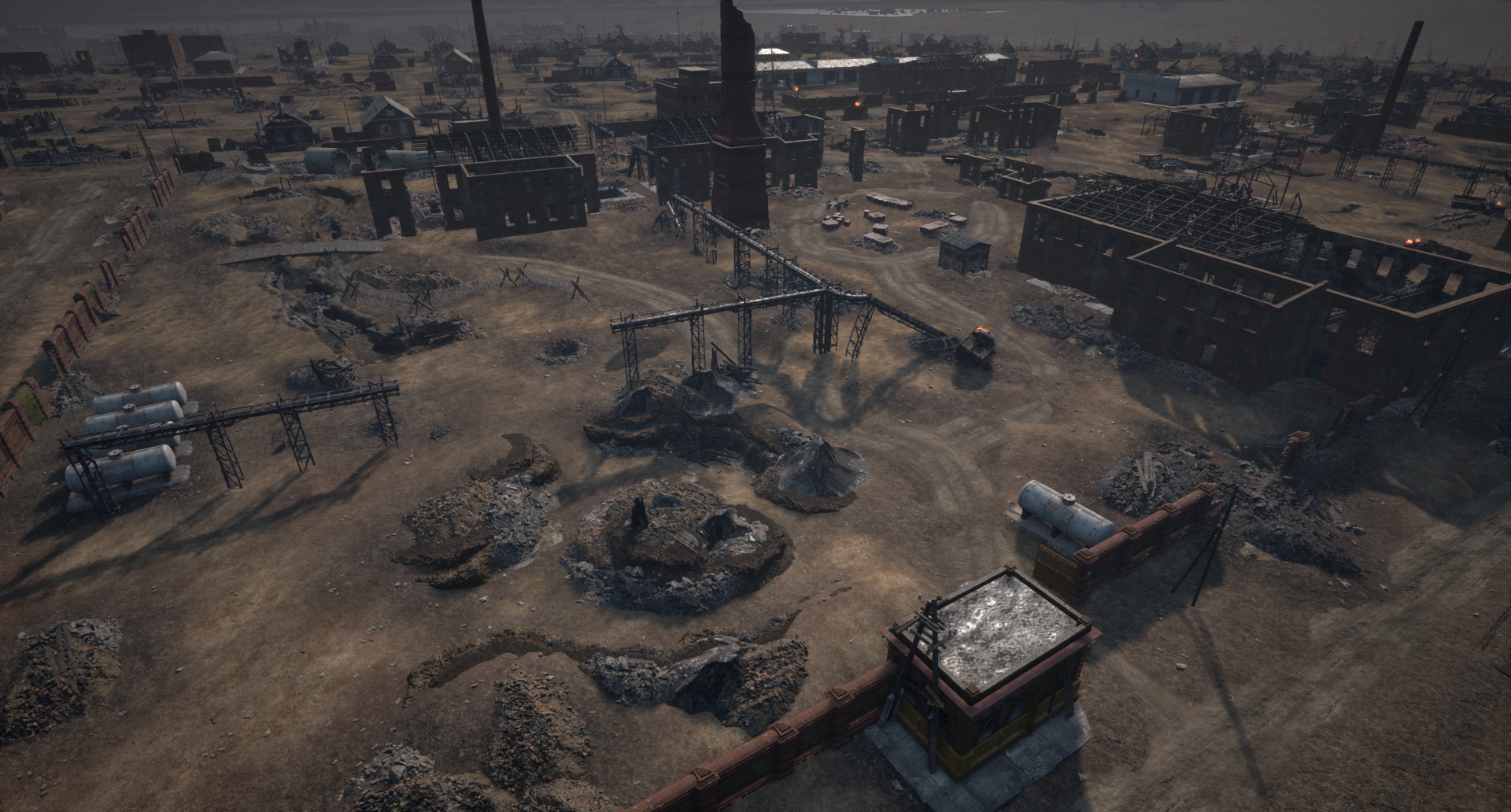
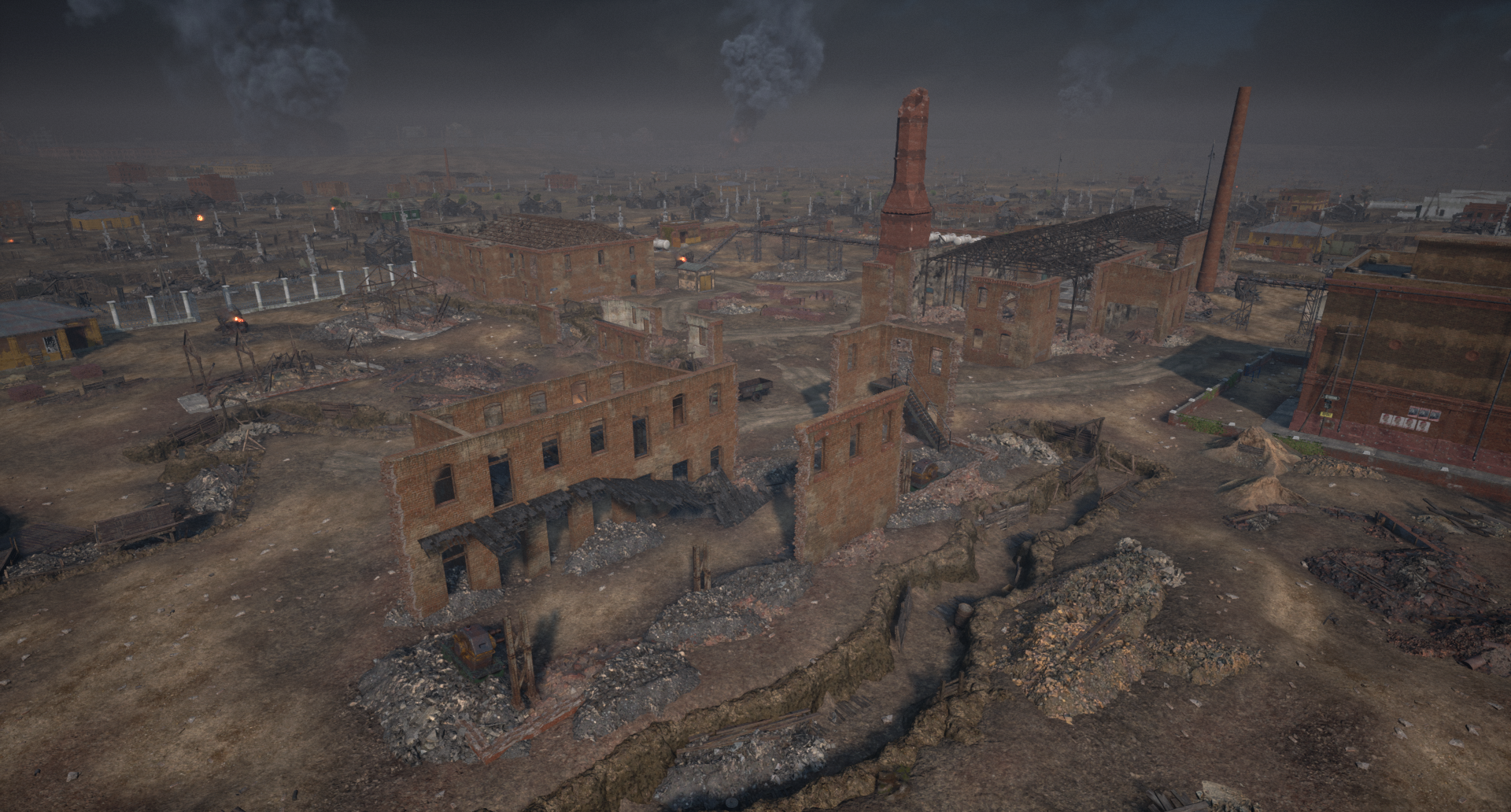
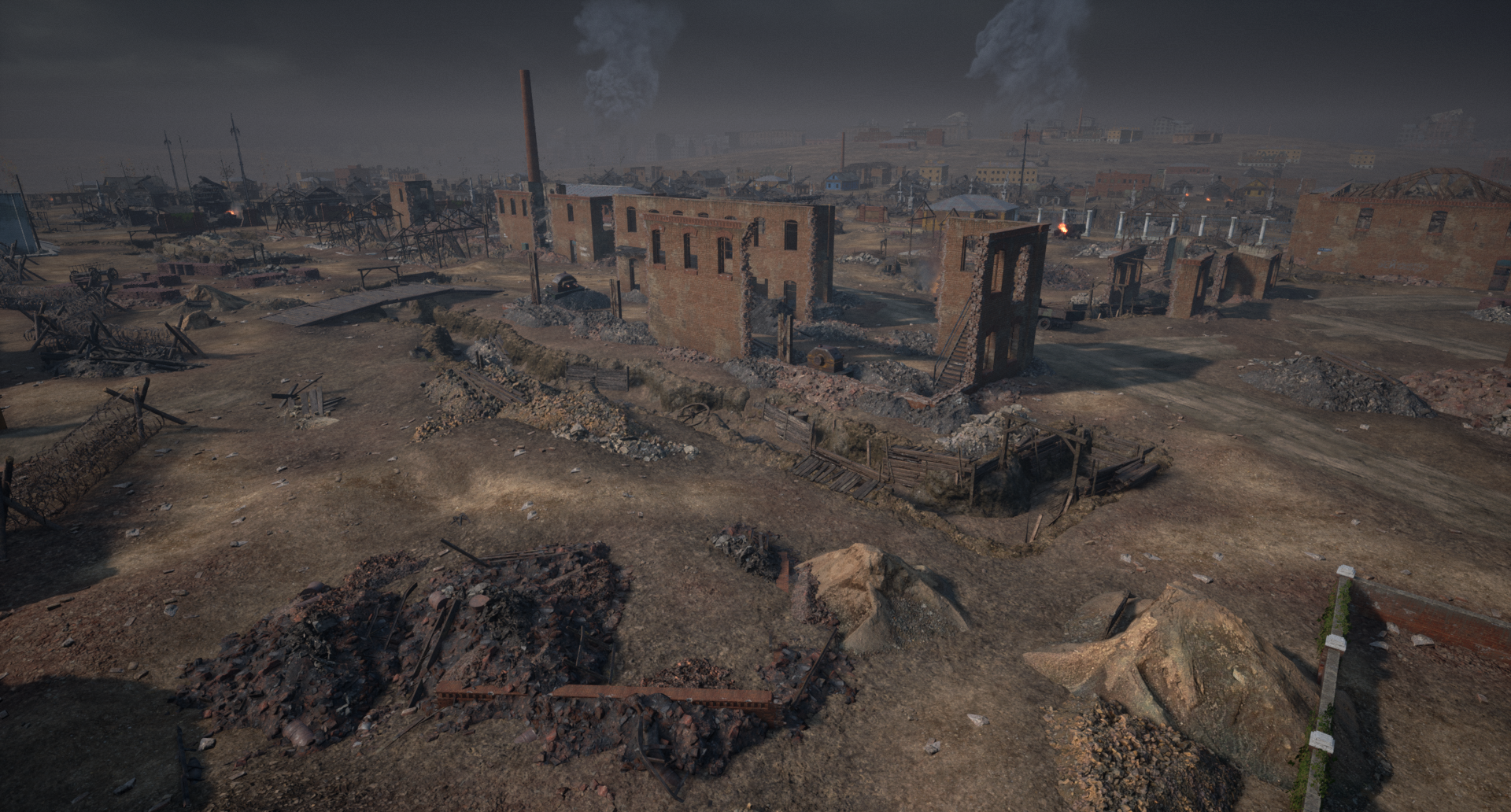
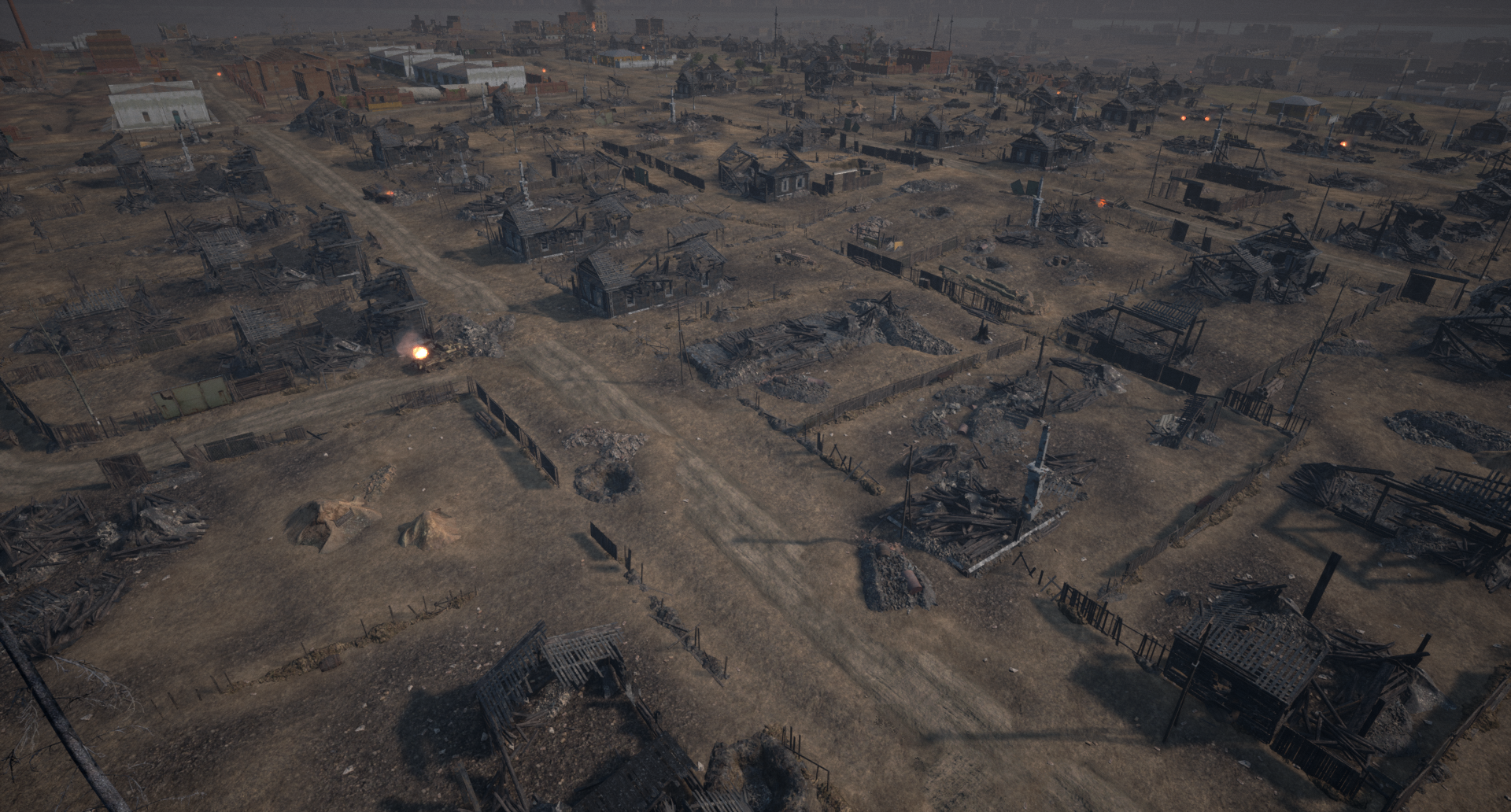
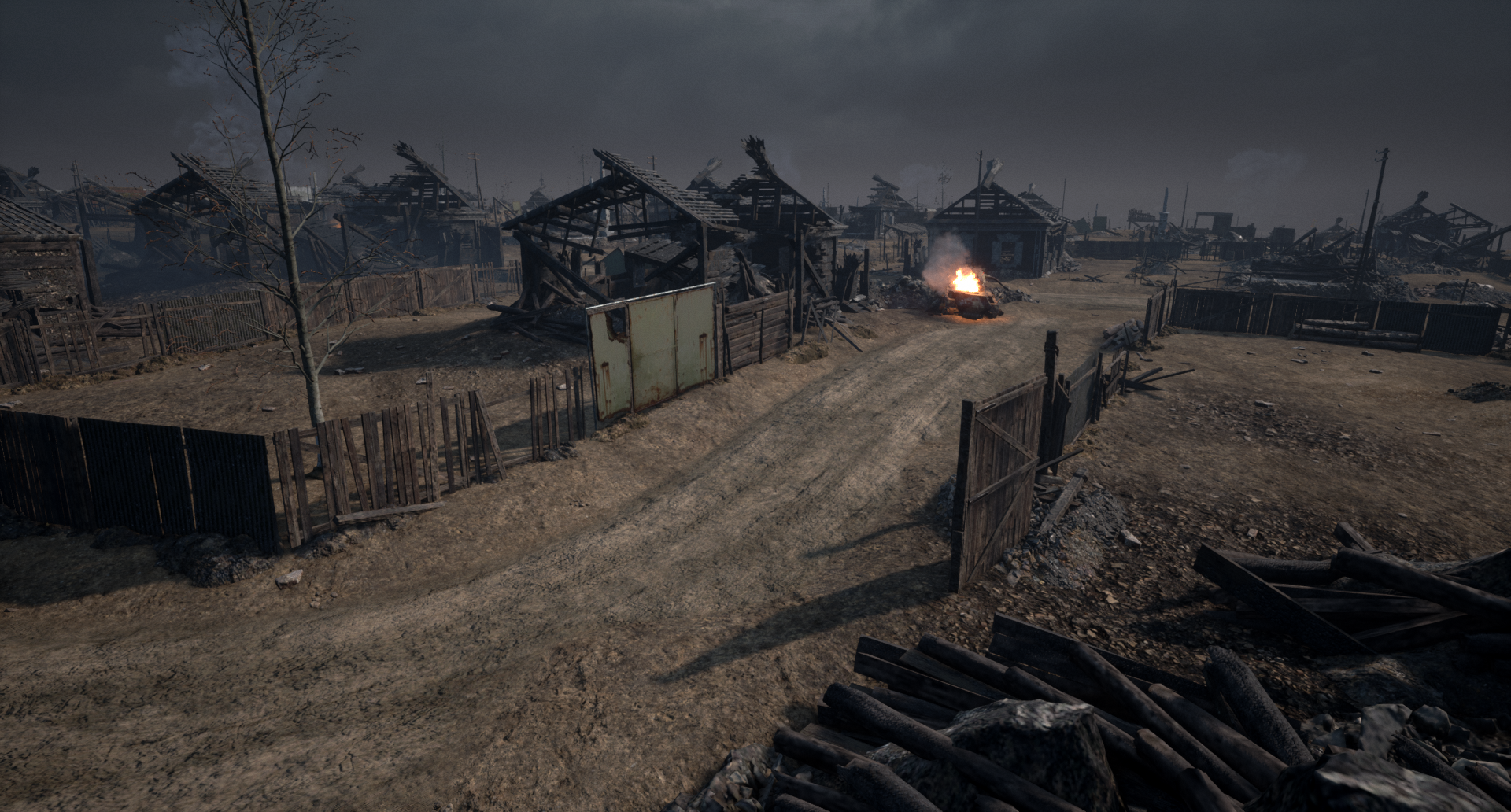
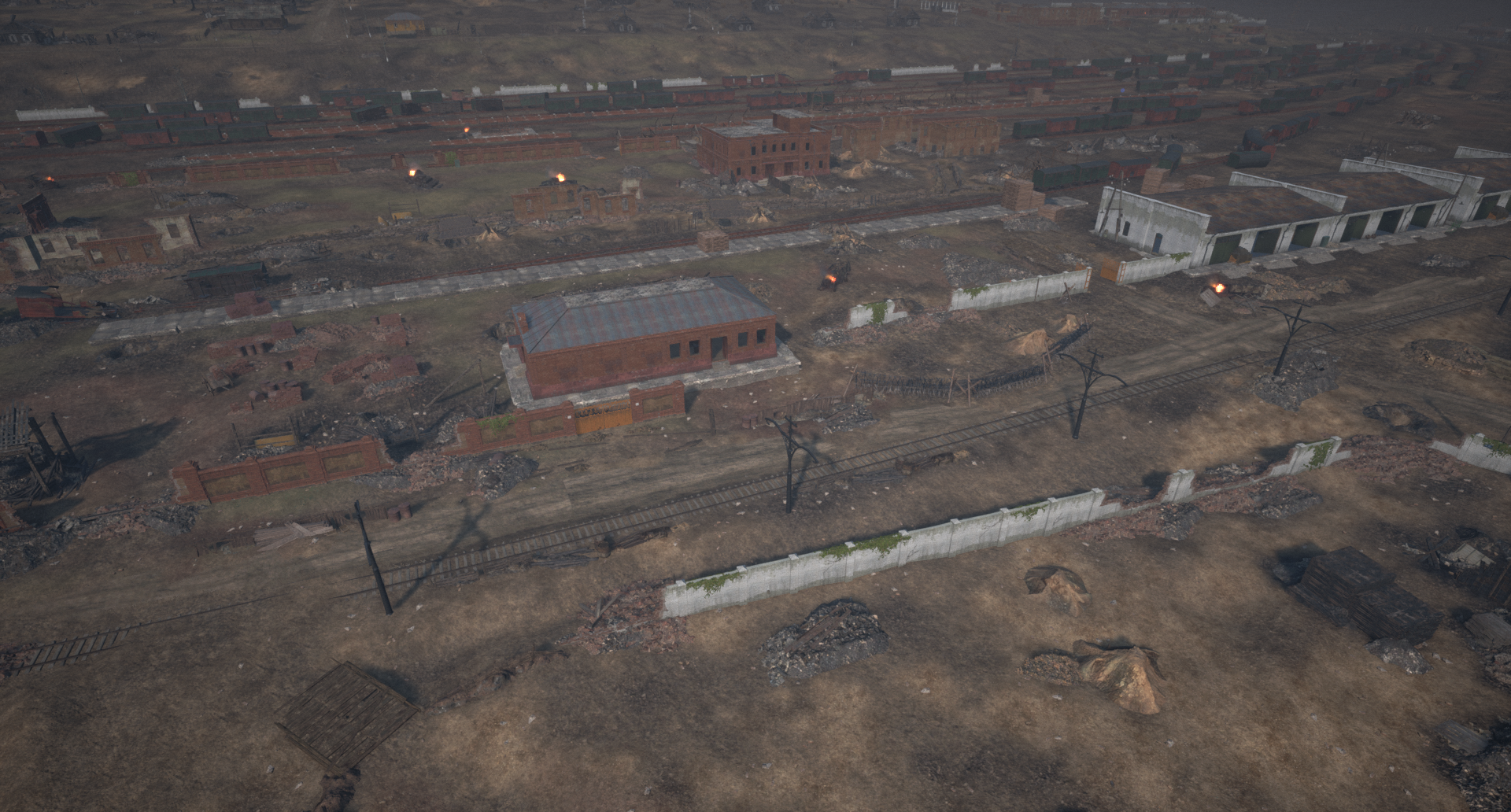
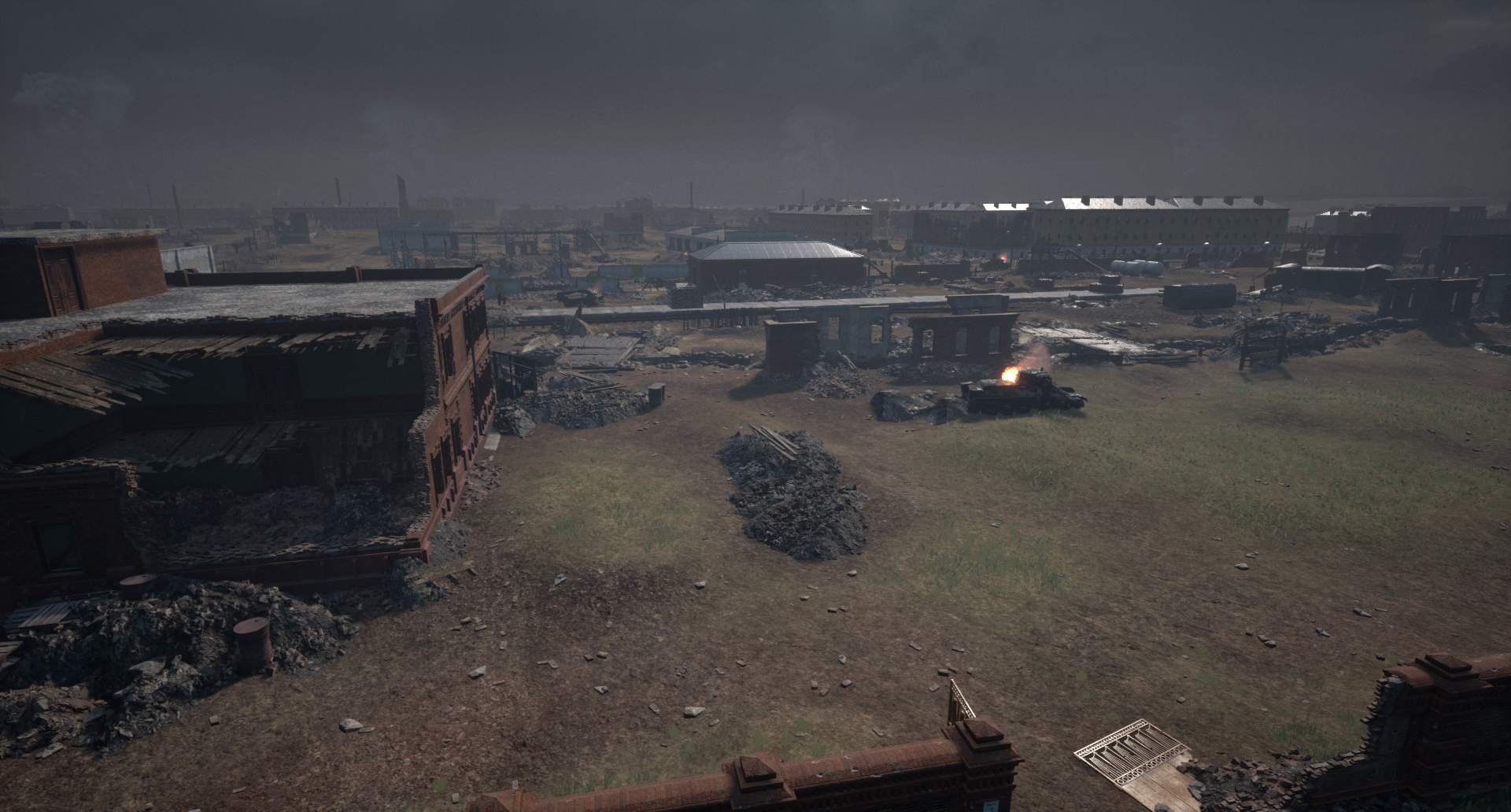
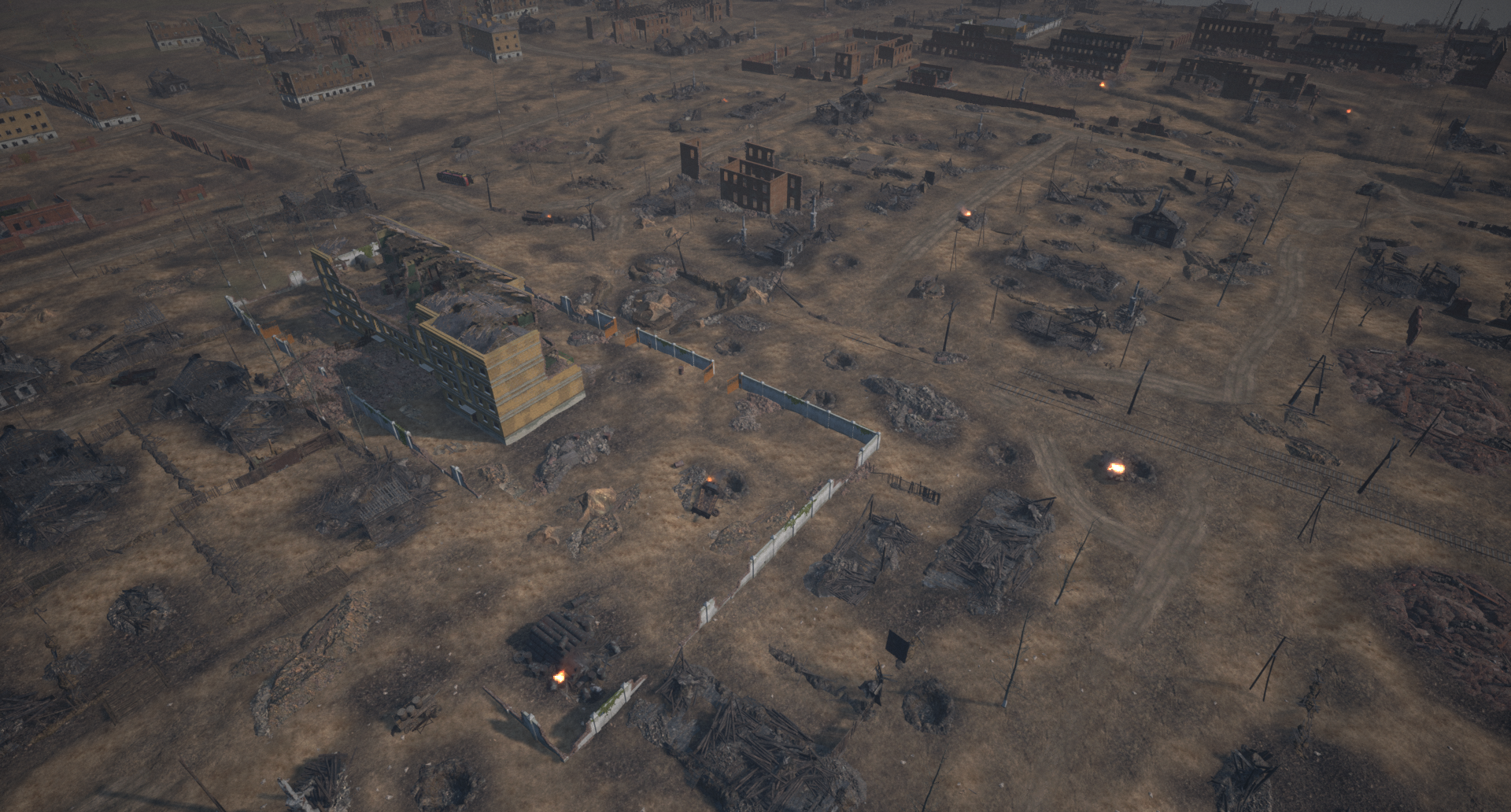
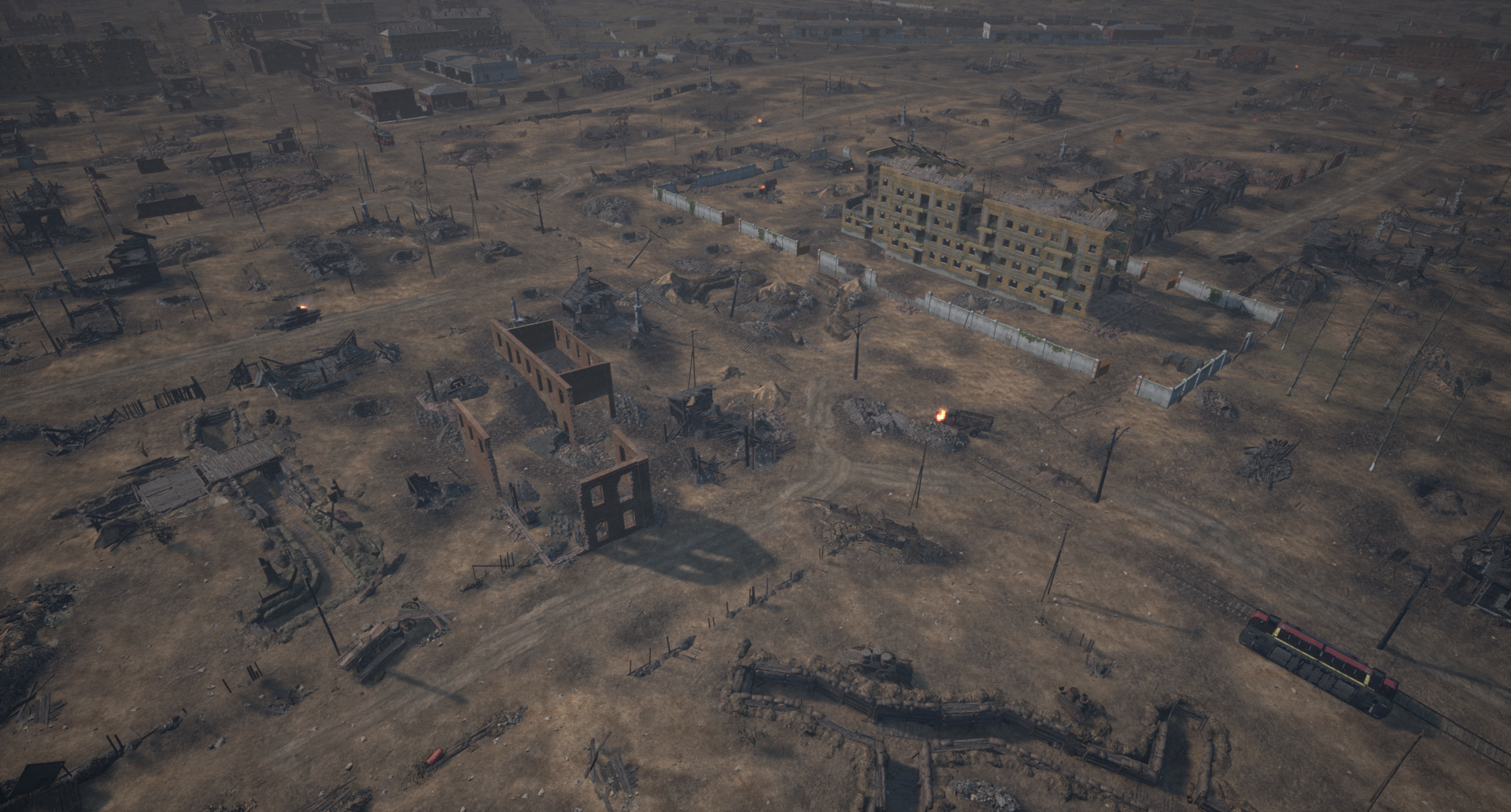
After reviewing the map and filtering through player reports and community posts across various platforms, the most contentious problems with the map were identified. The main goal was to fix performance, making the map accessible to people on various platforms.
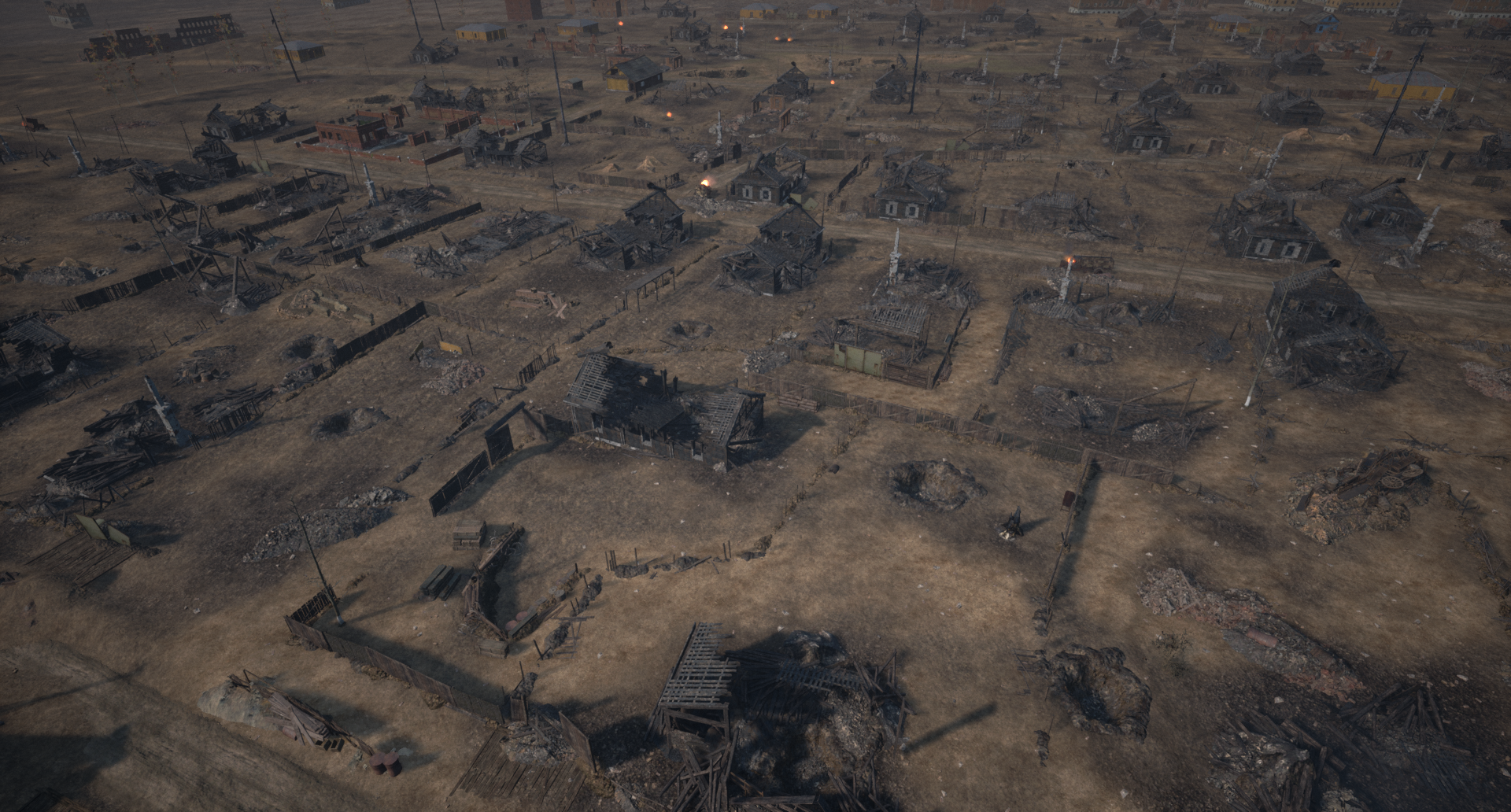
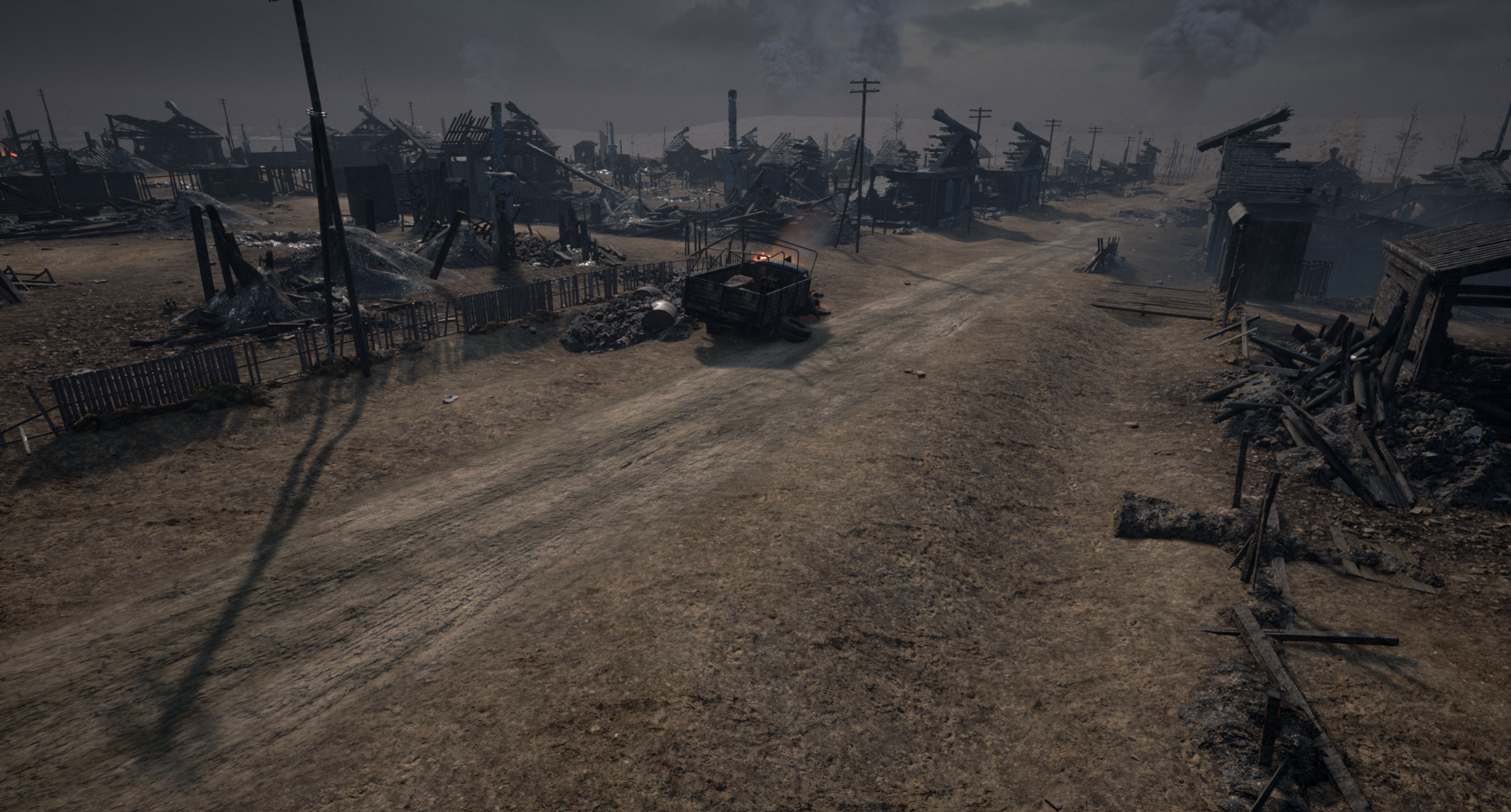
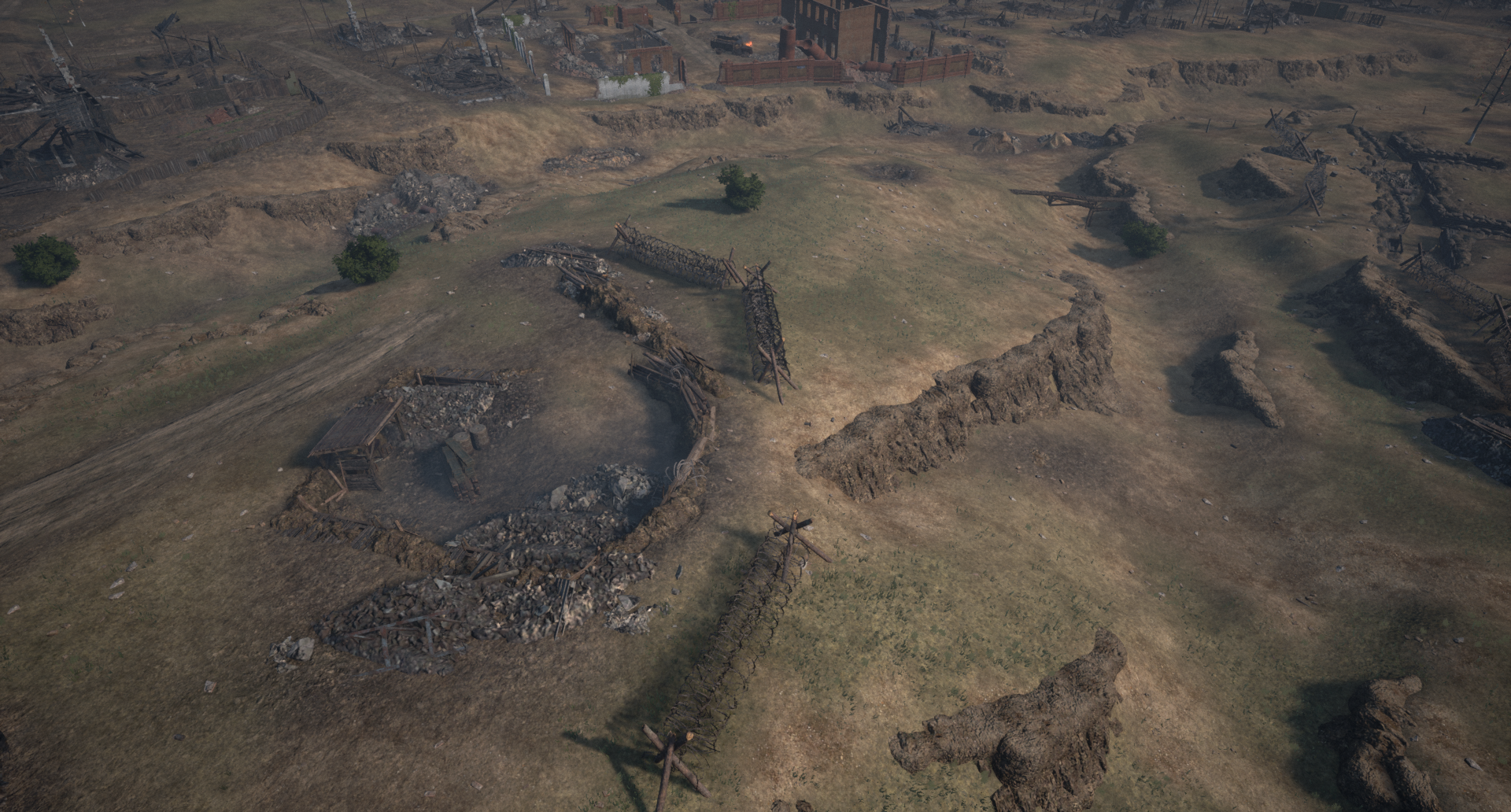
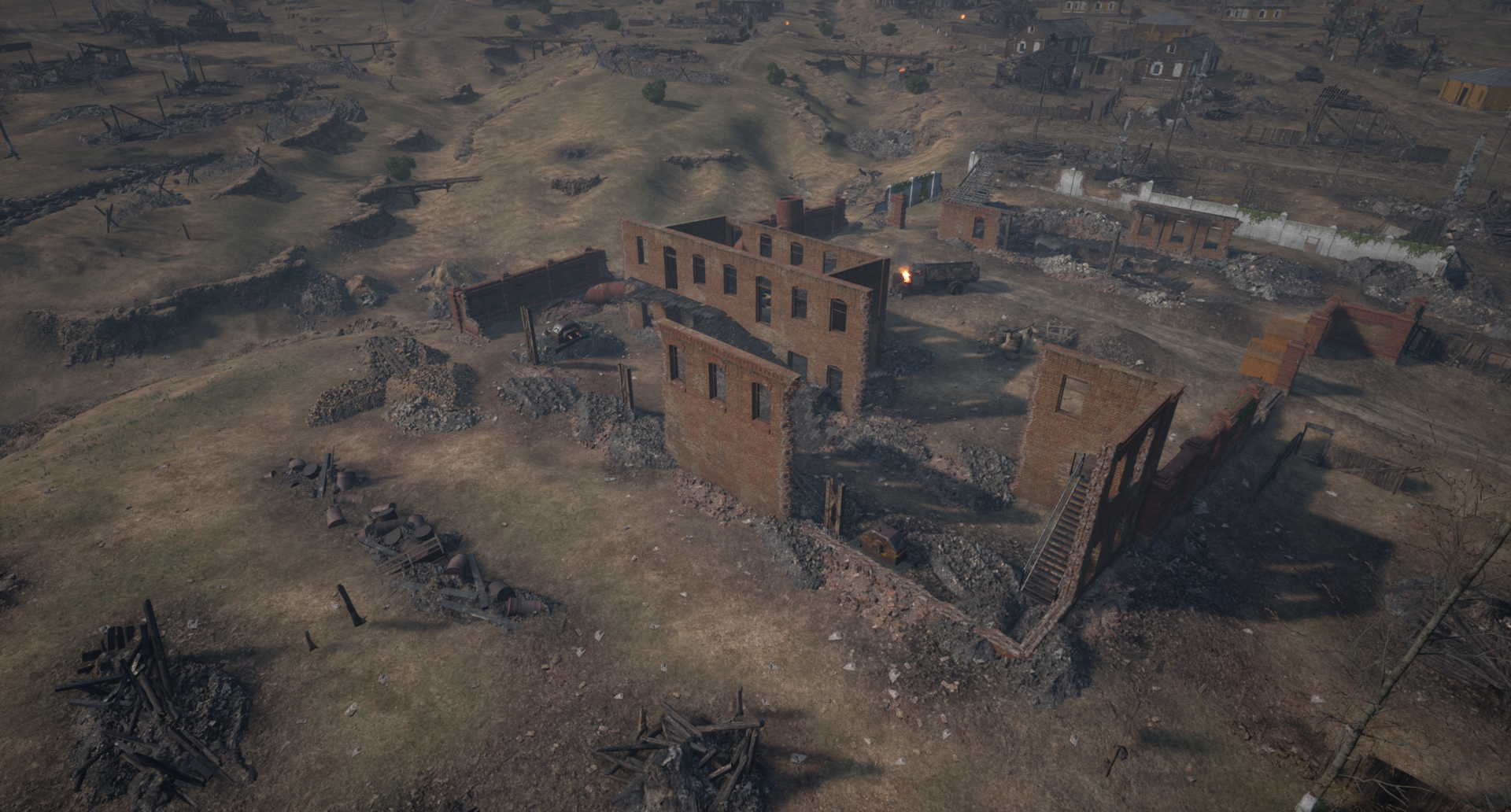
The intention behind Stalingrad’s map refresh was to balance and enhance gameplay, expanding on the legacy map’s existing theme and retaining what makes Stalingrad so iconic.
.png)
.png)
Opened up various fences to provide alternative player routes
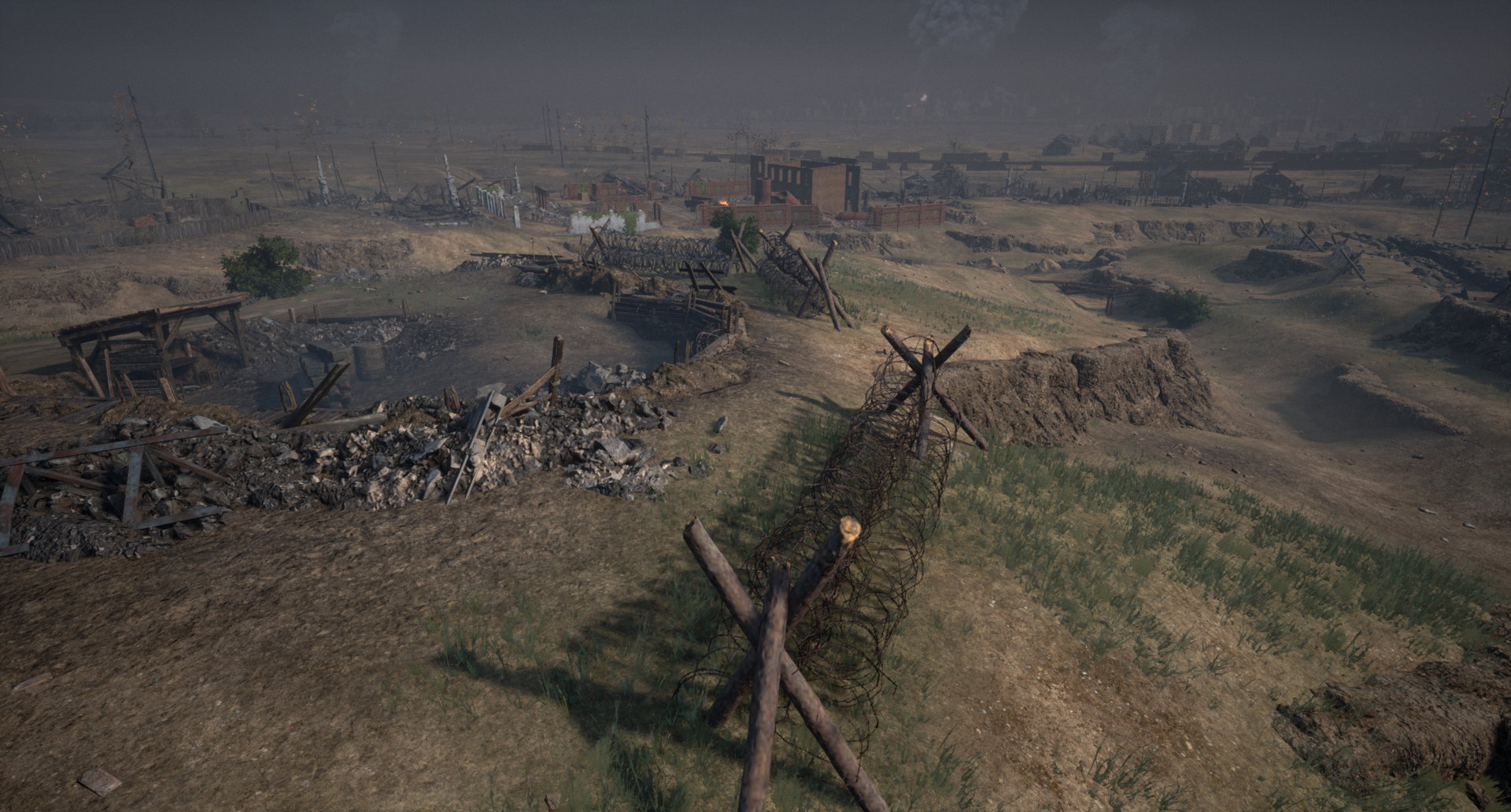
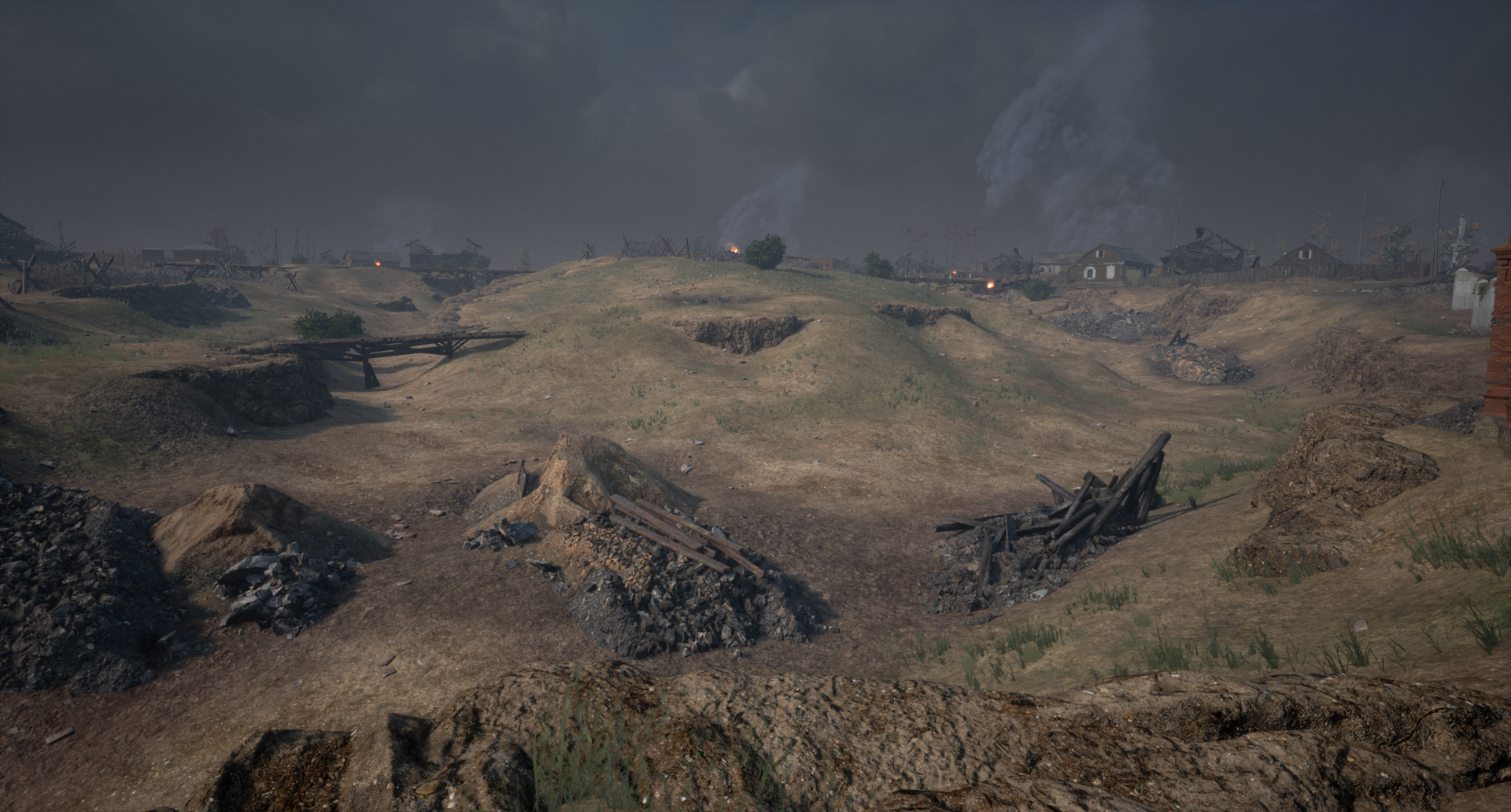
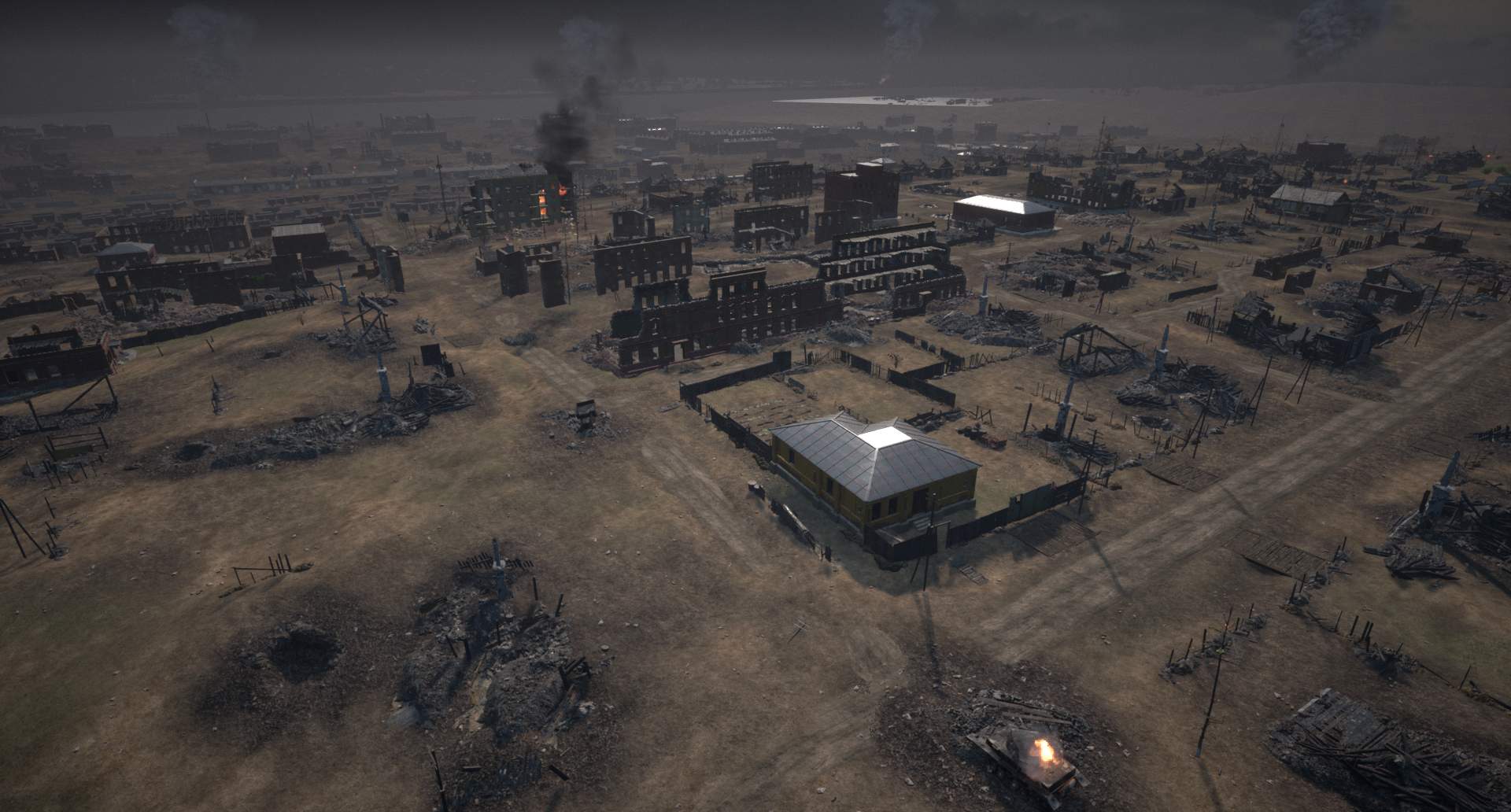
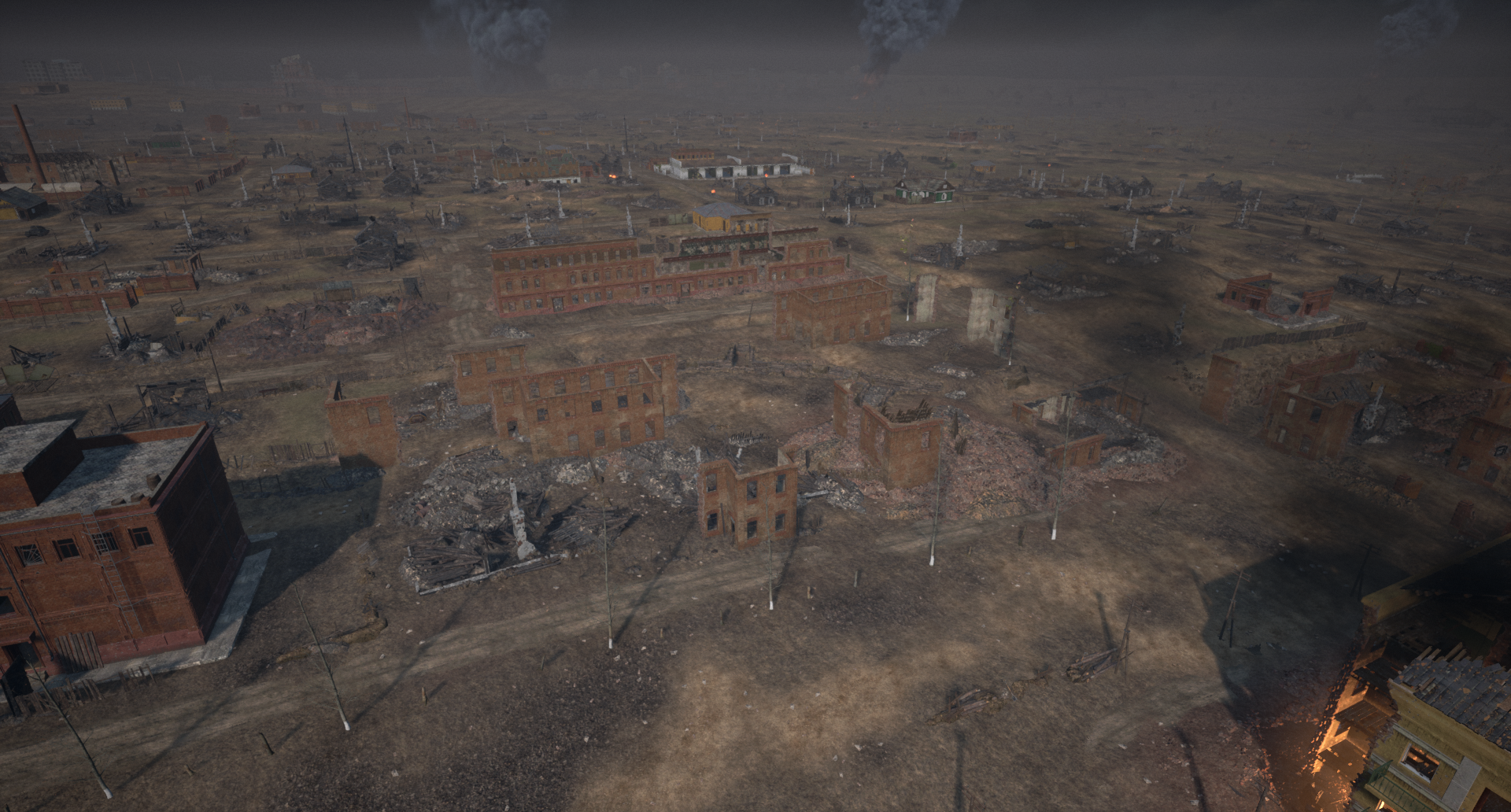
.png)
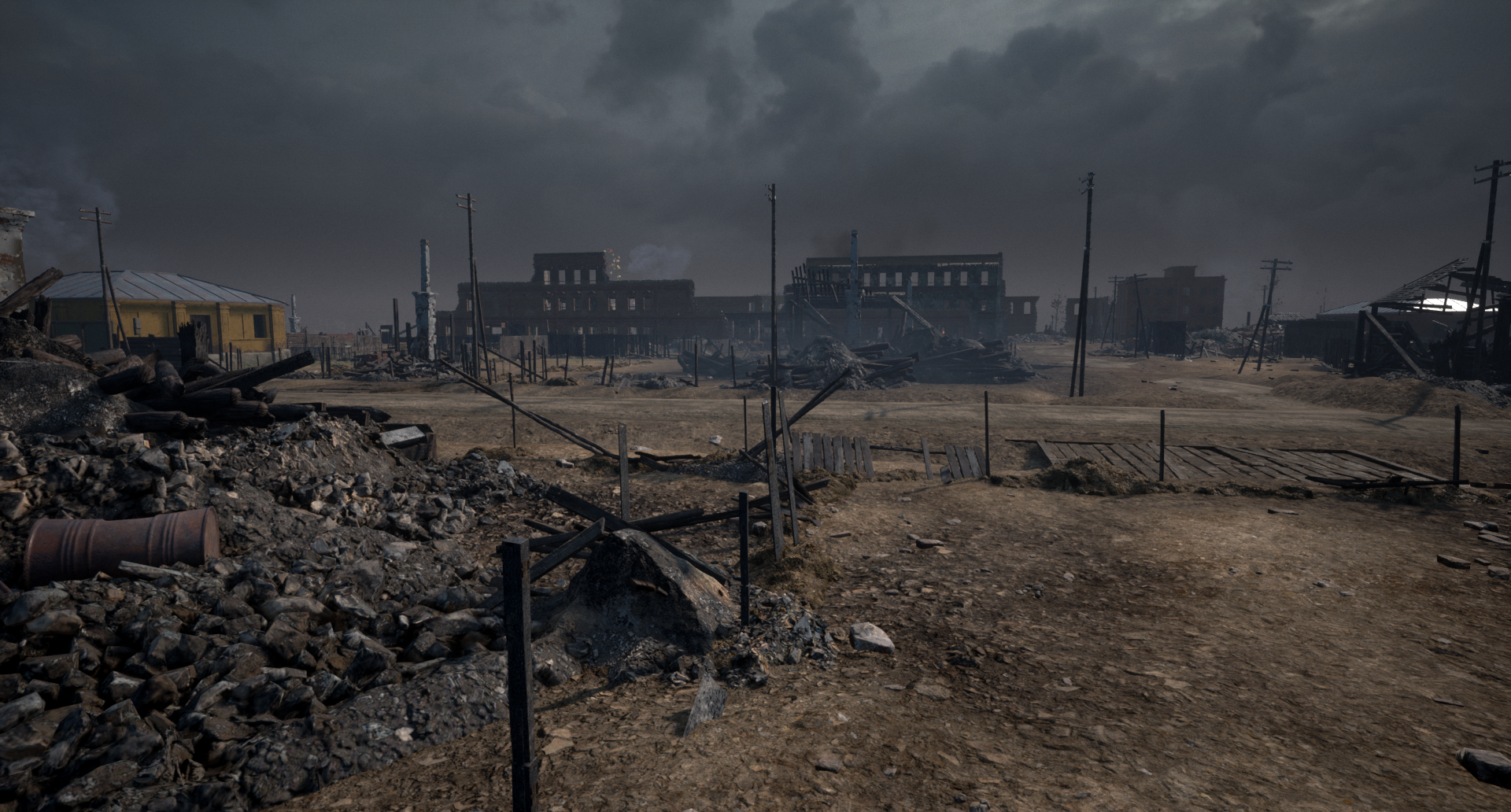
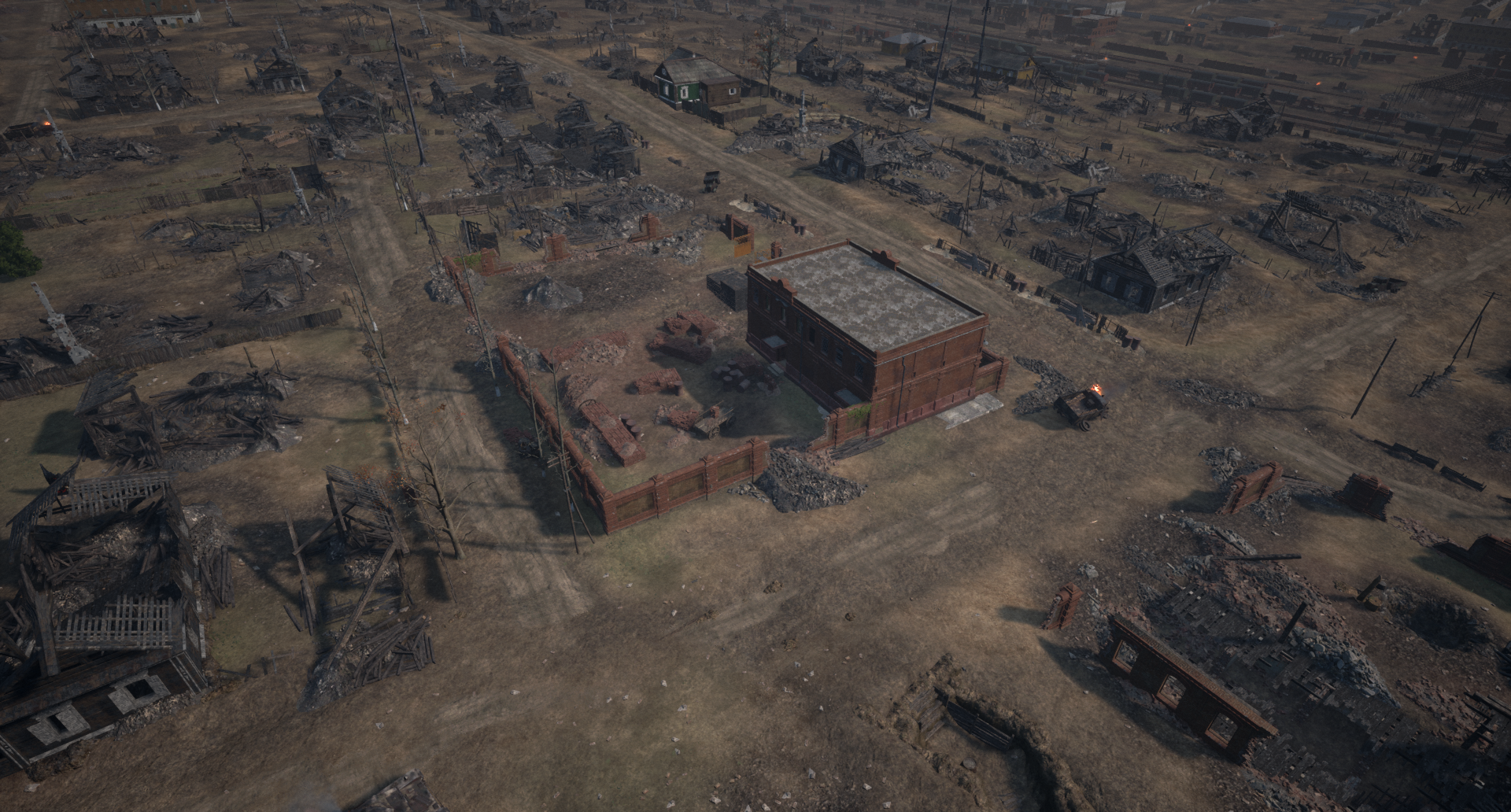
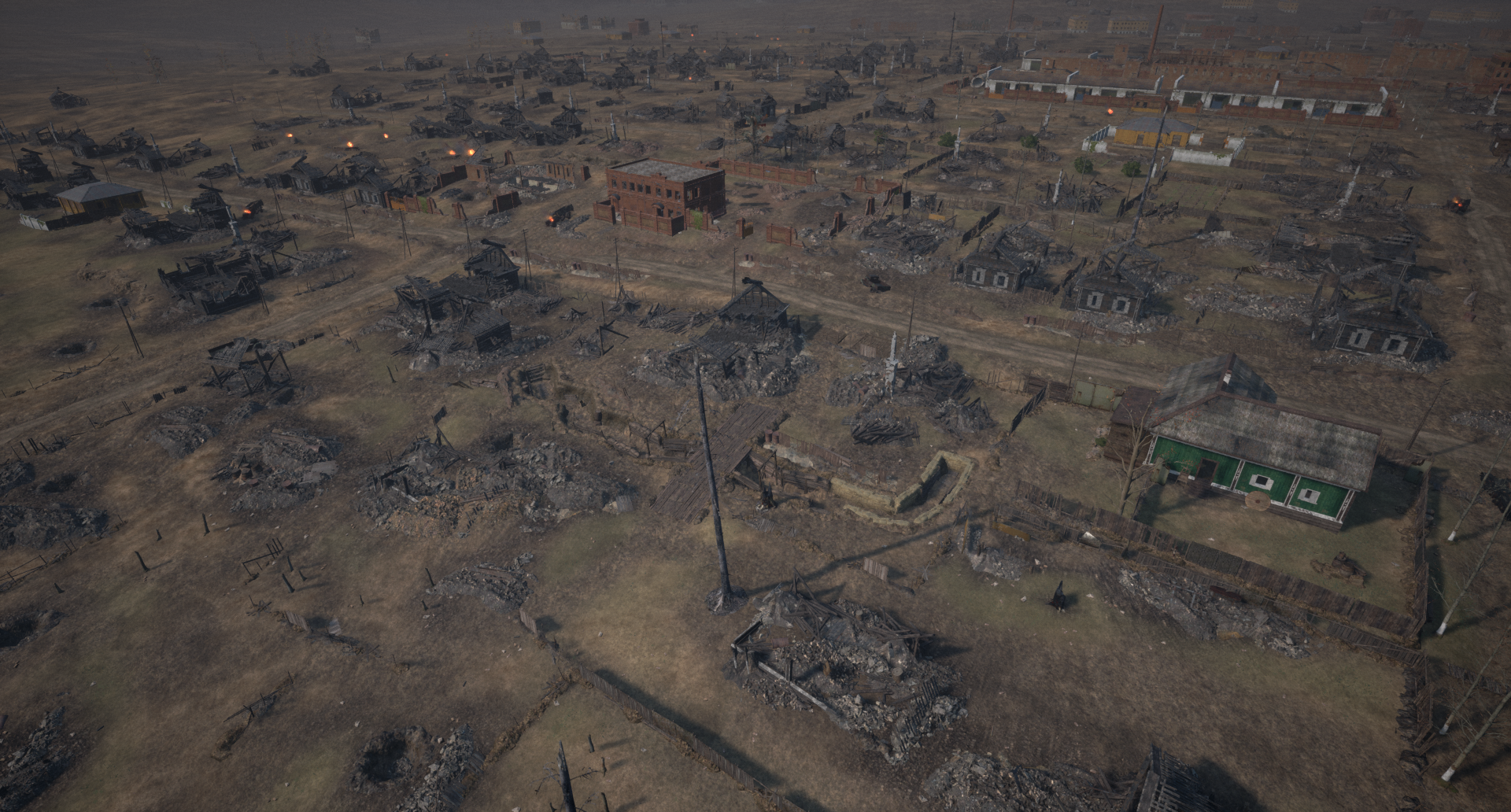
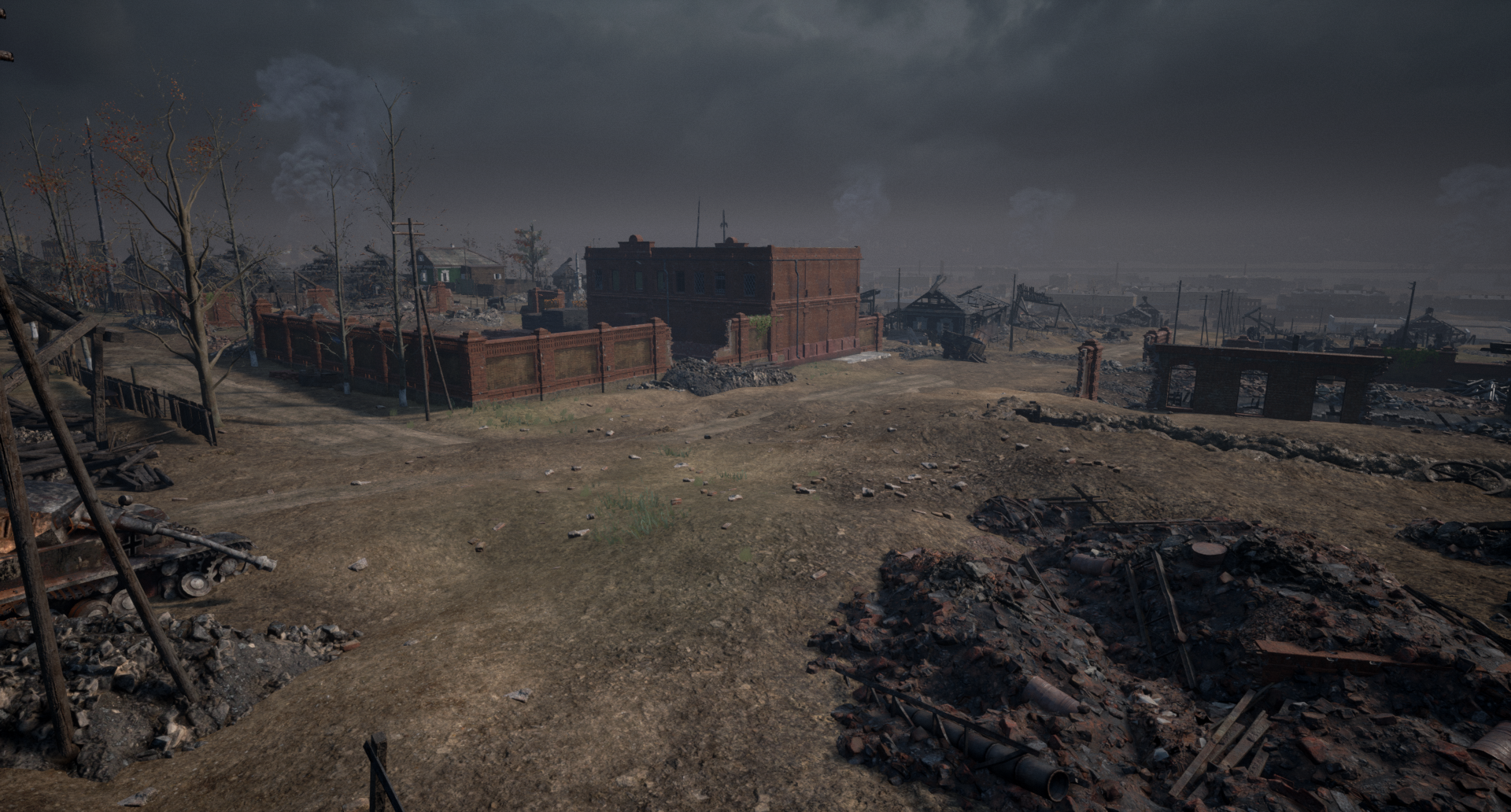
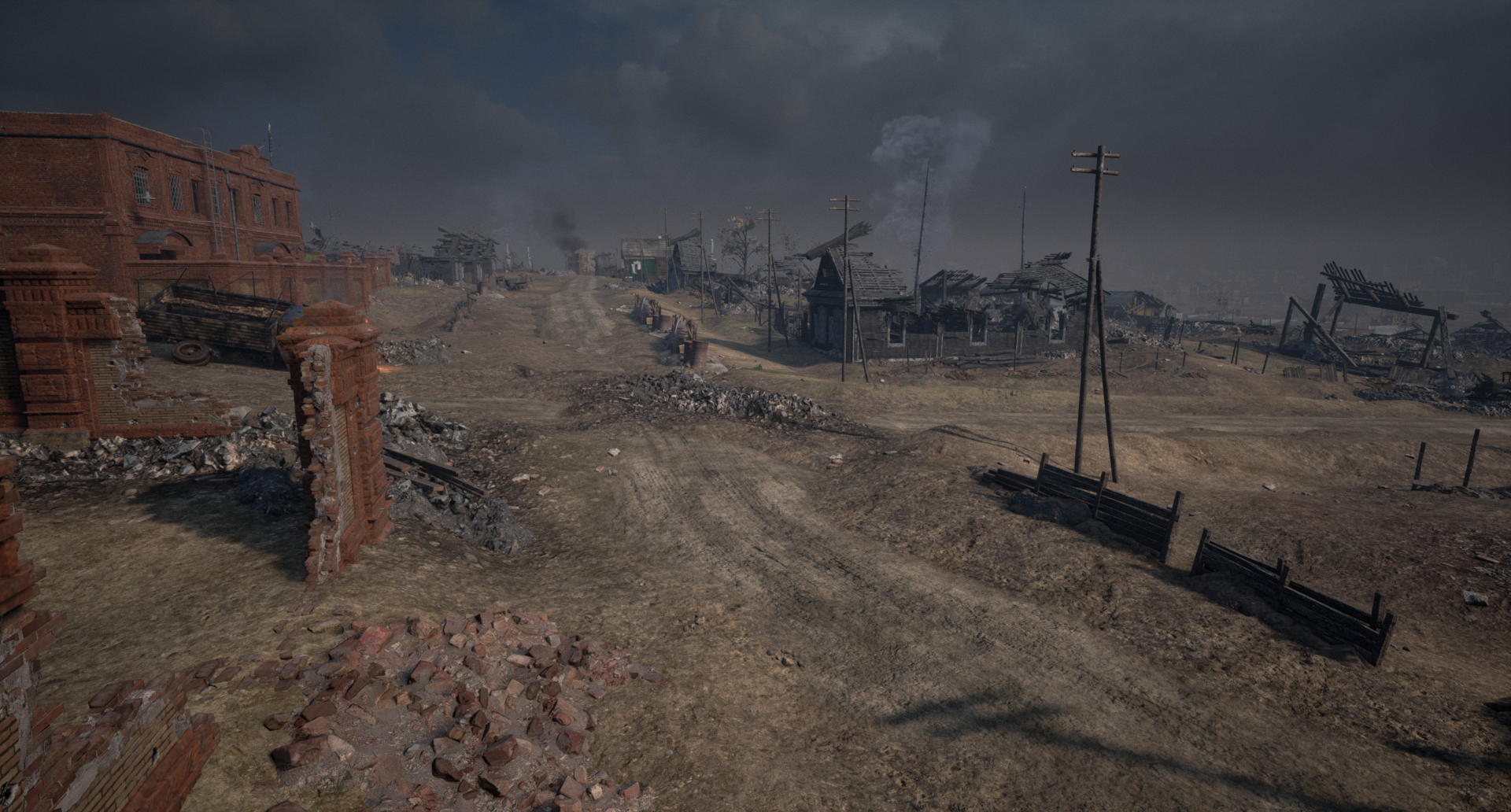
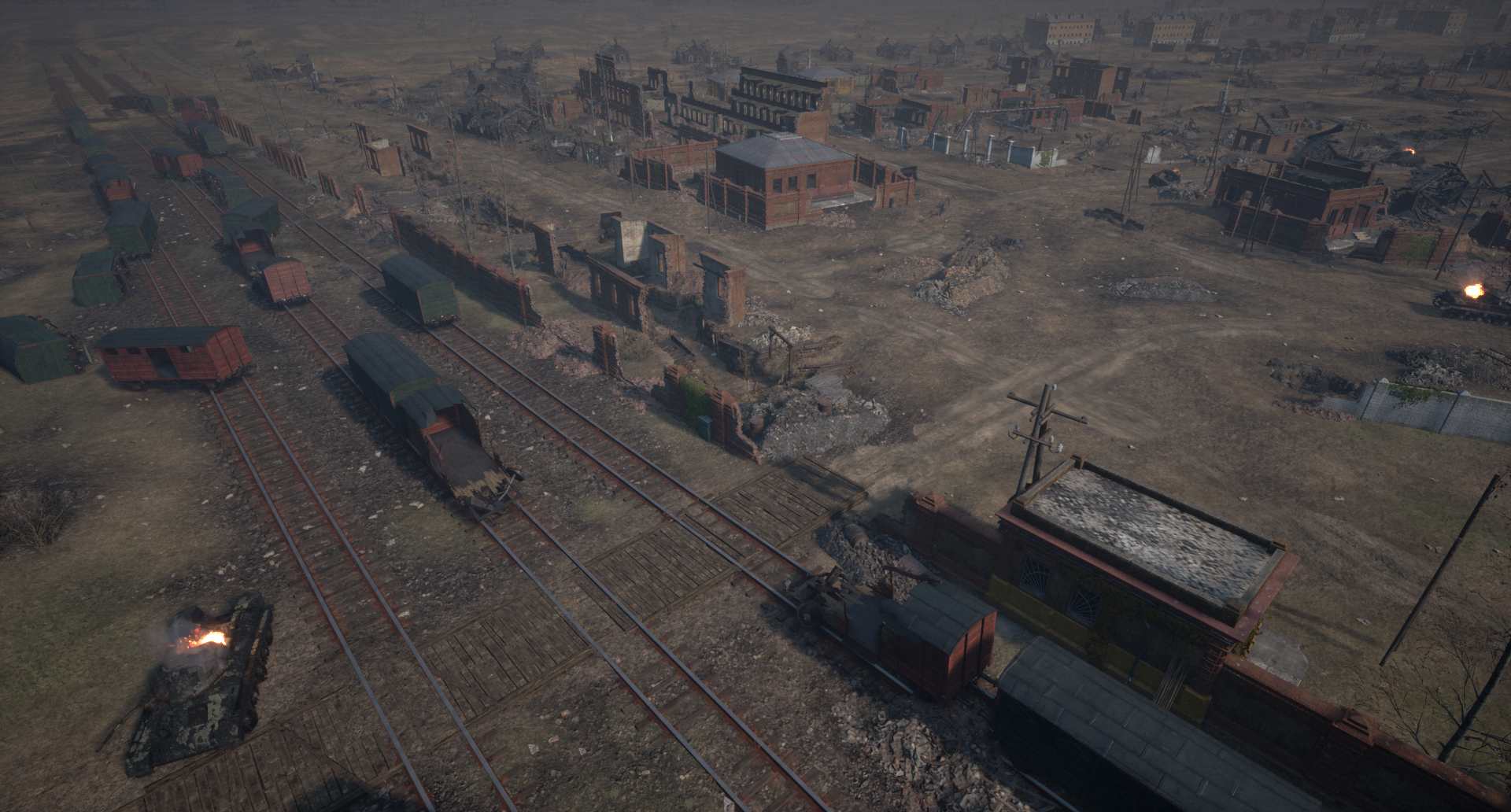
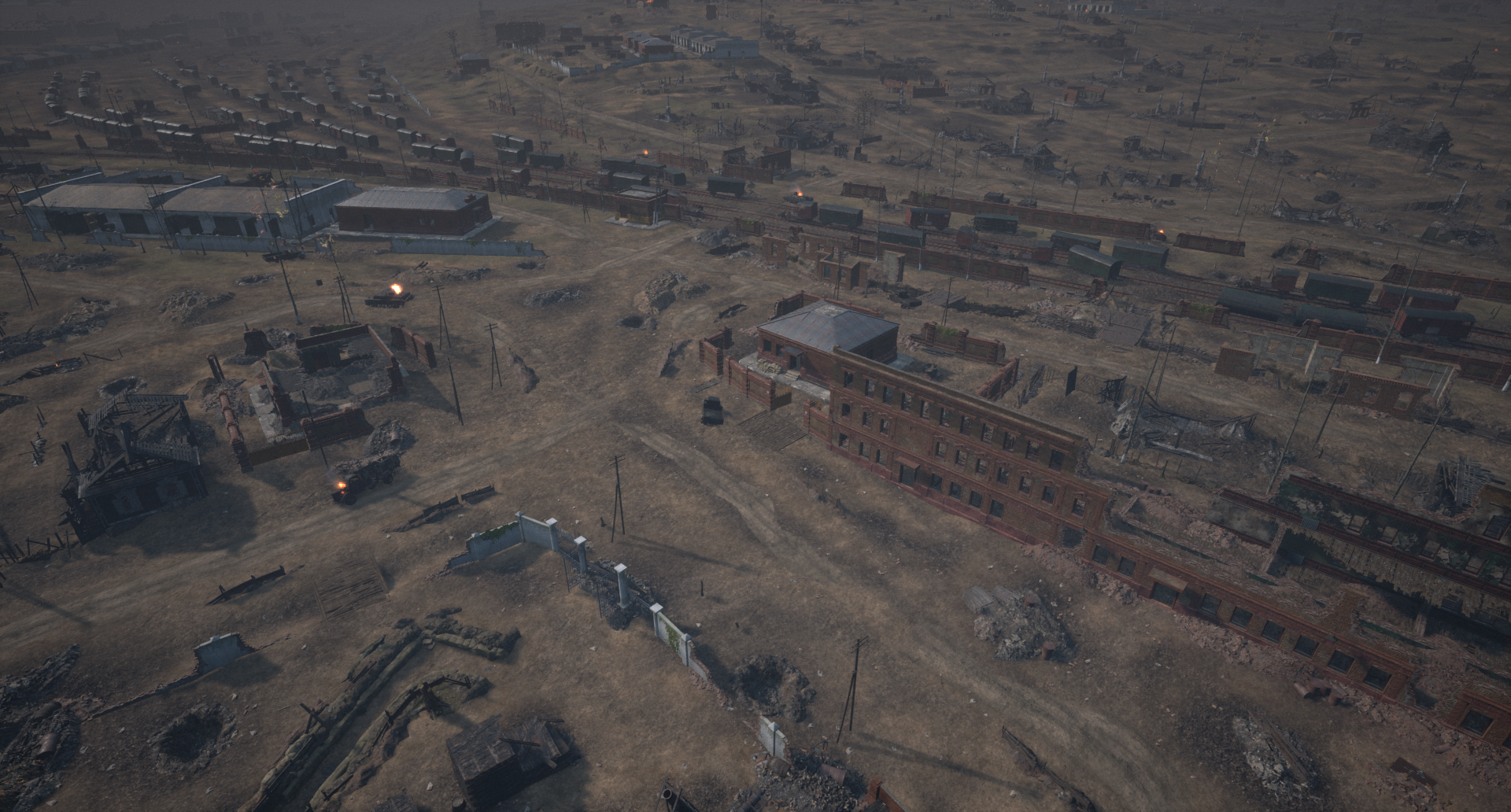
.png)
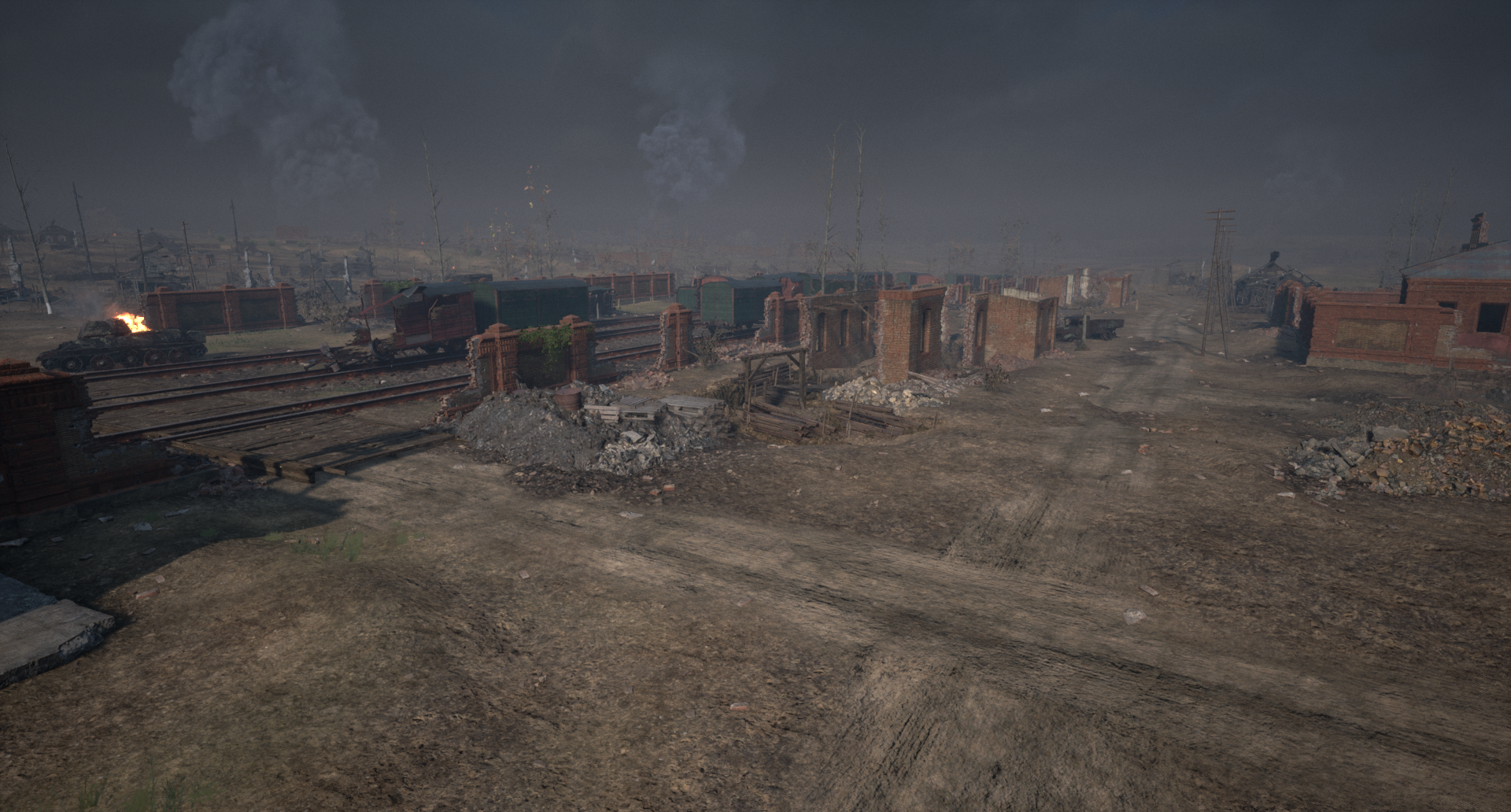
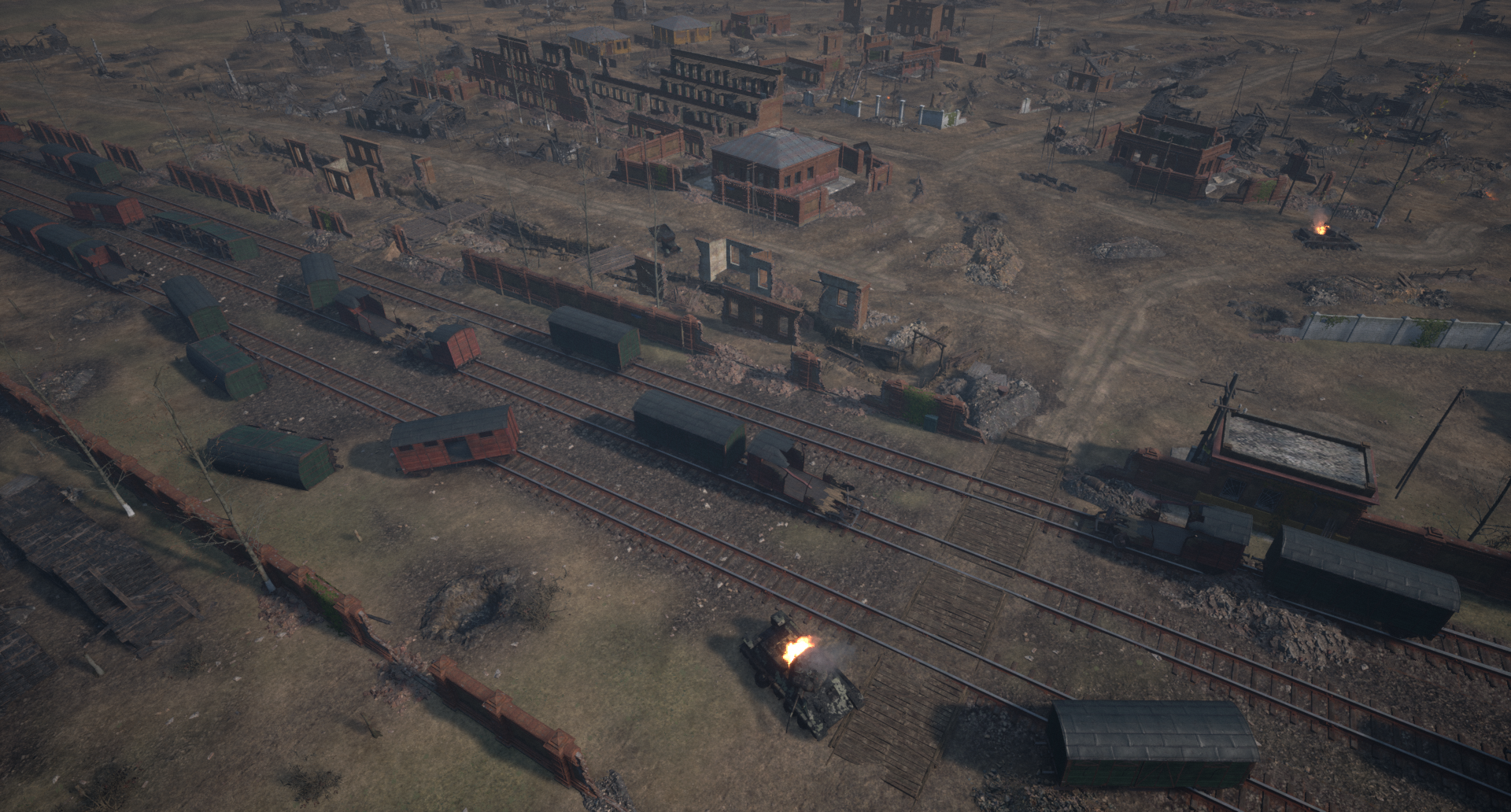
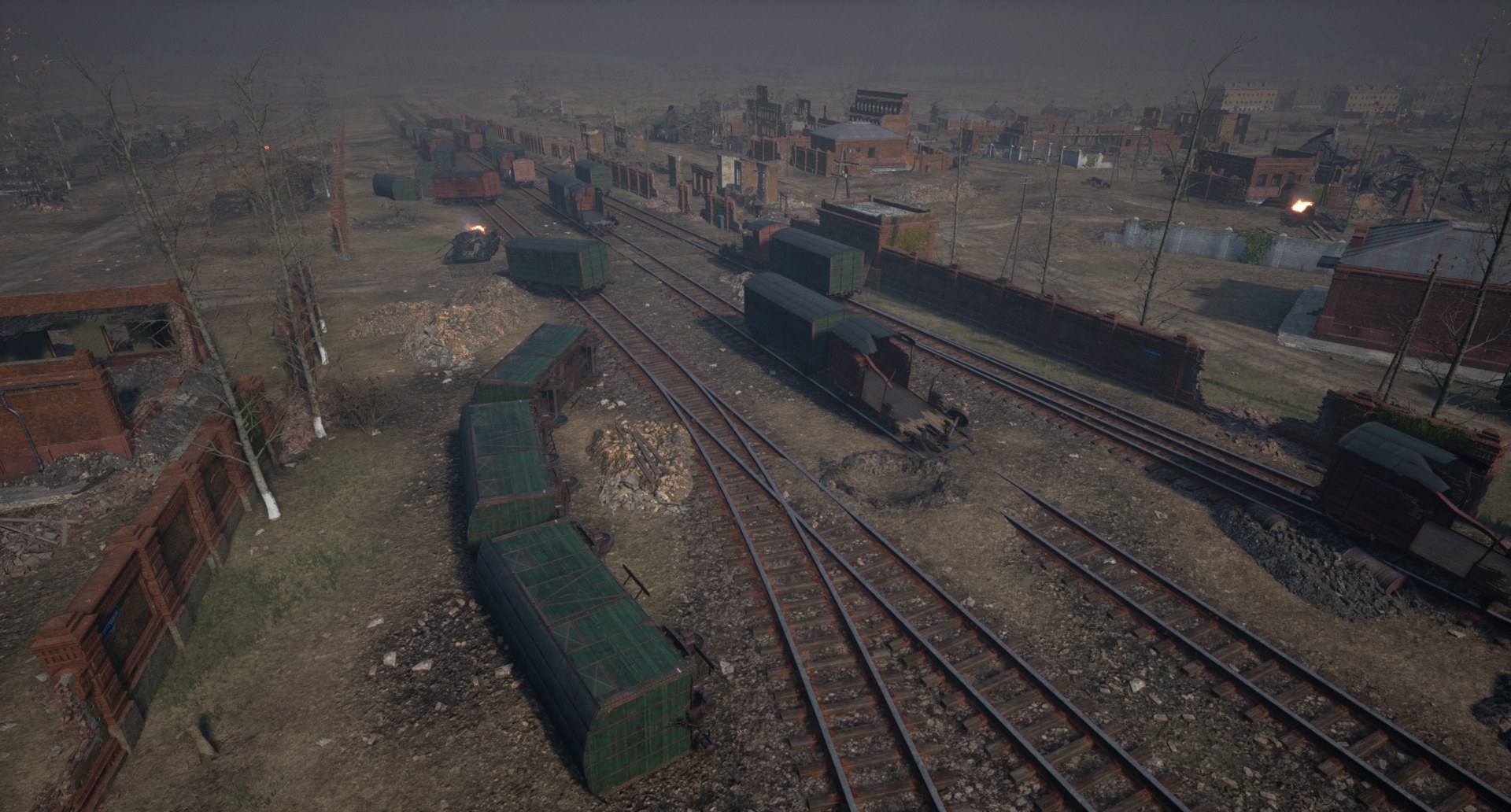
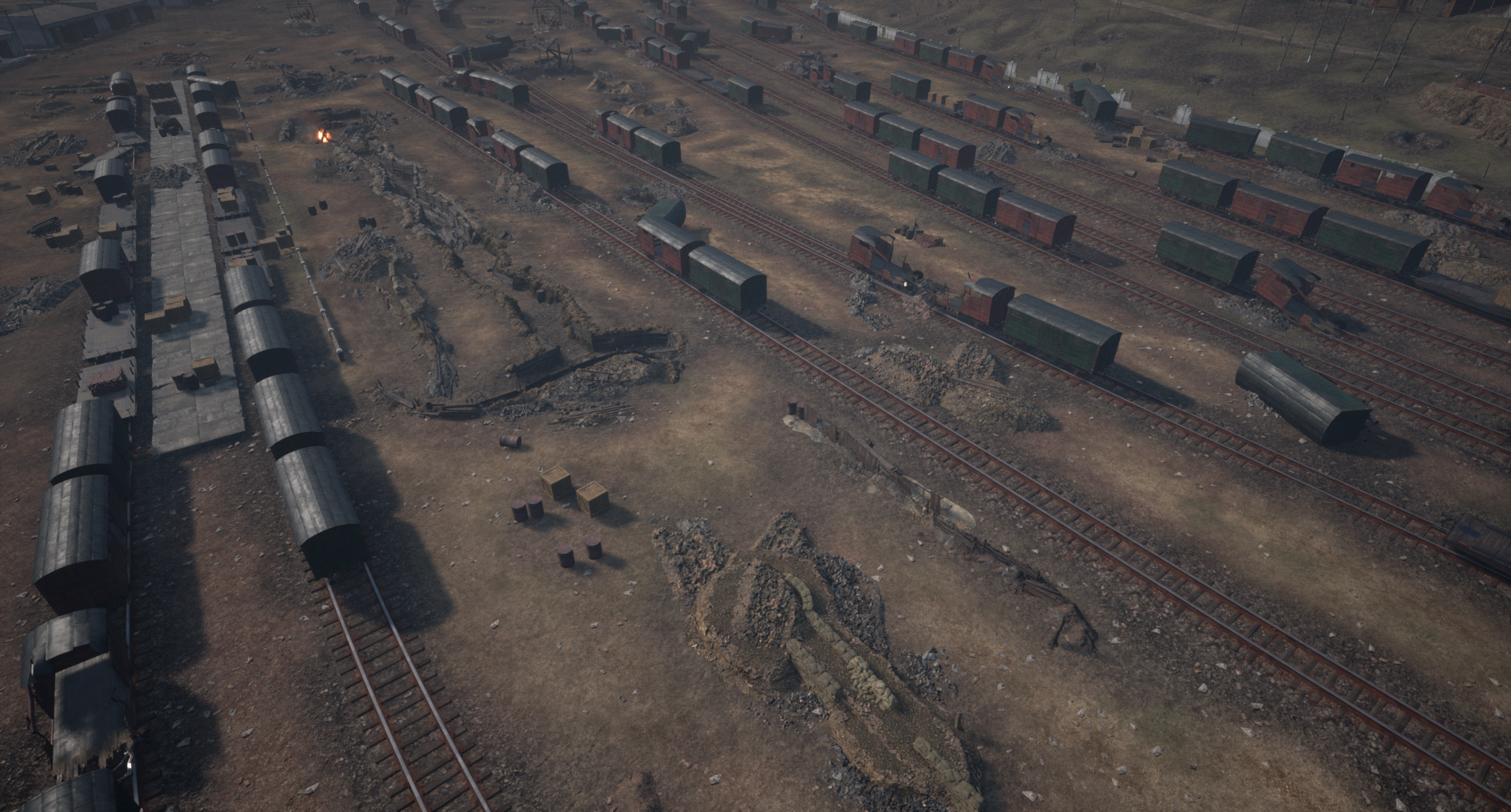
.png)
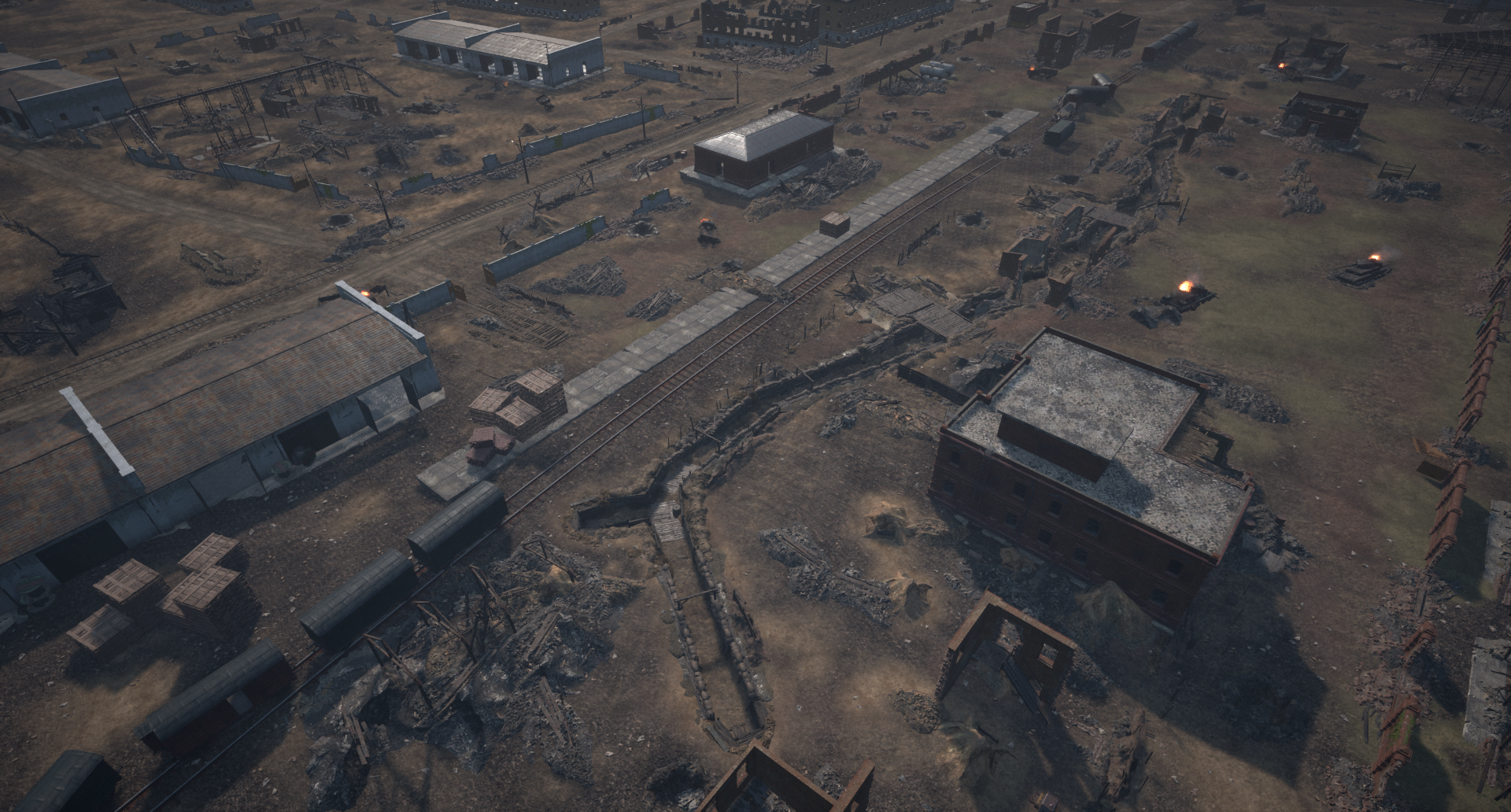
.png)
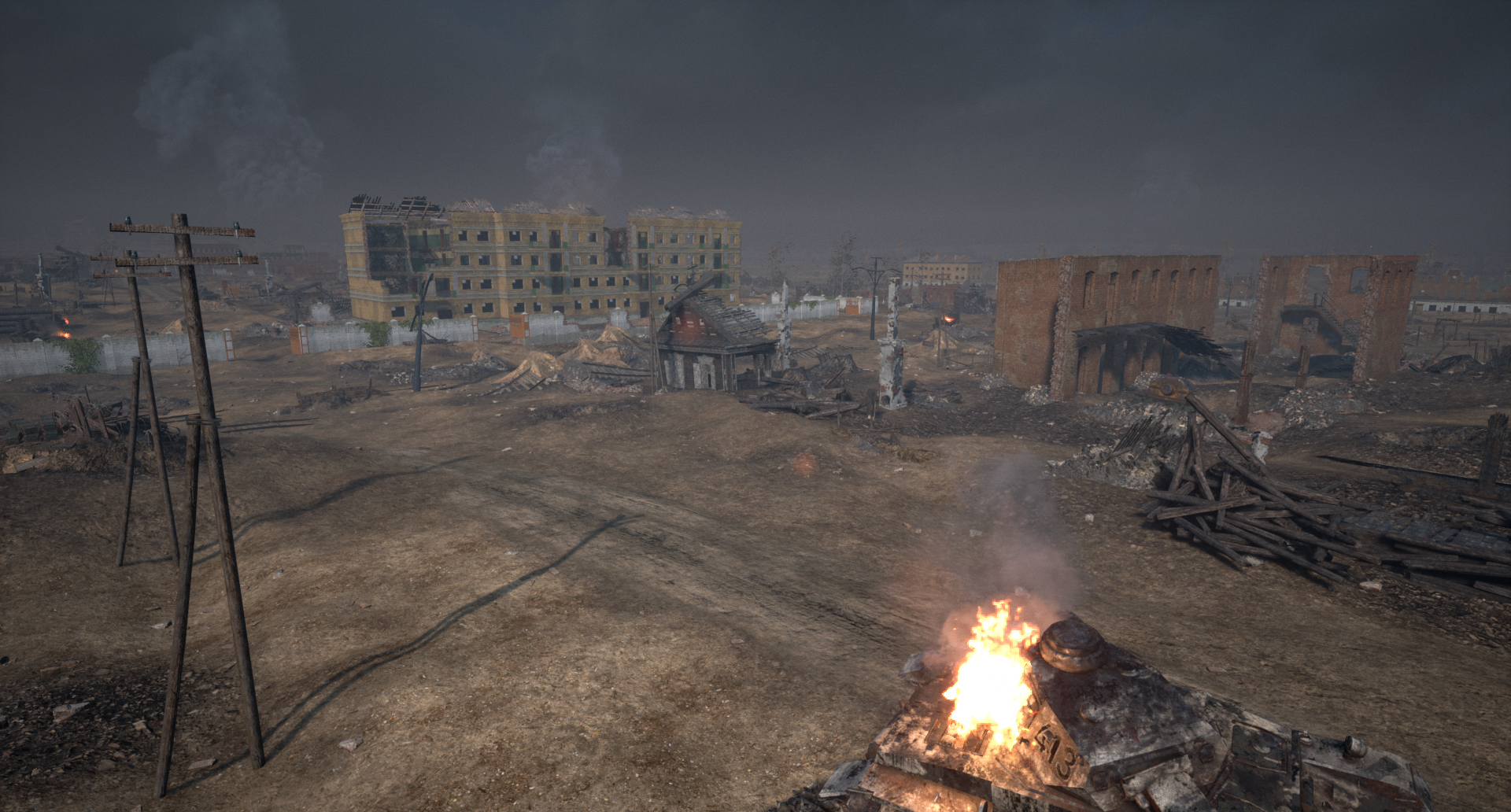
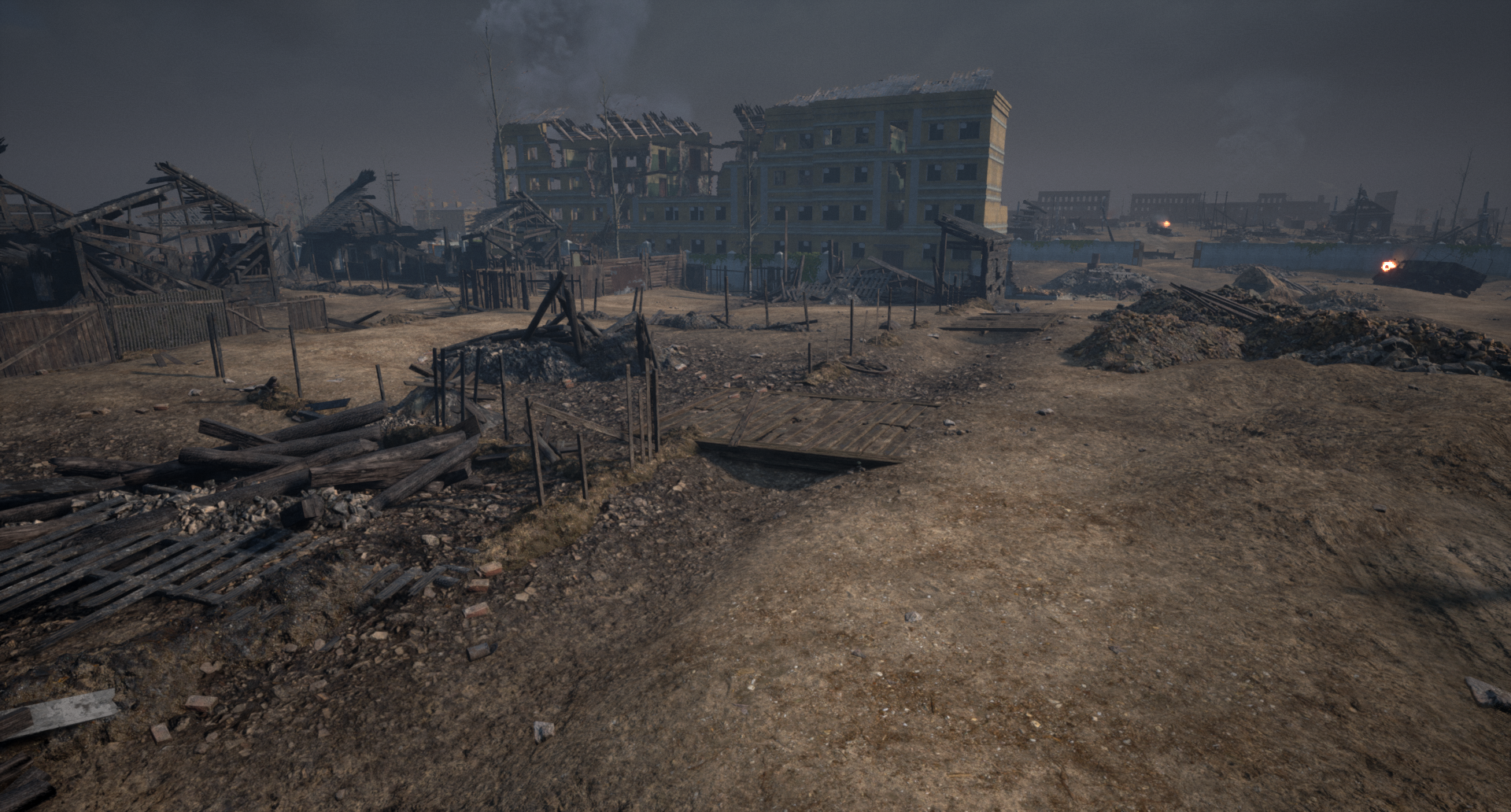
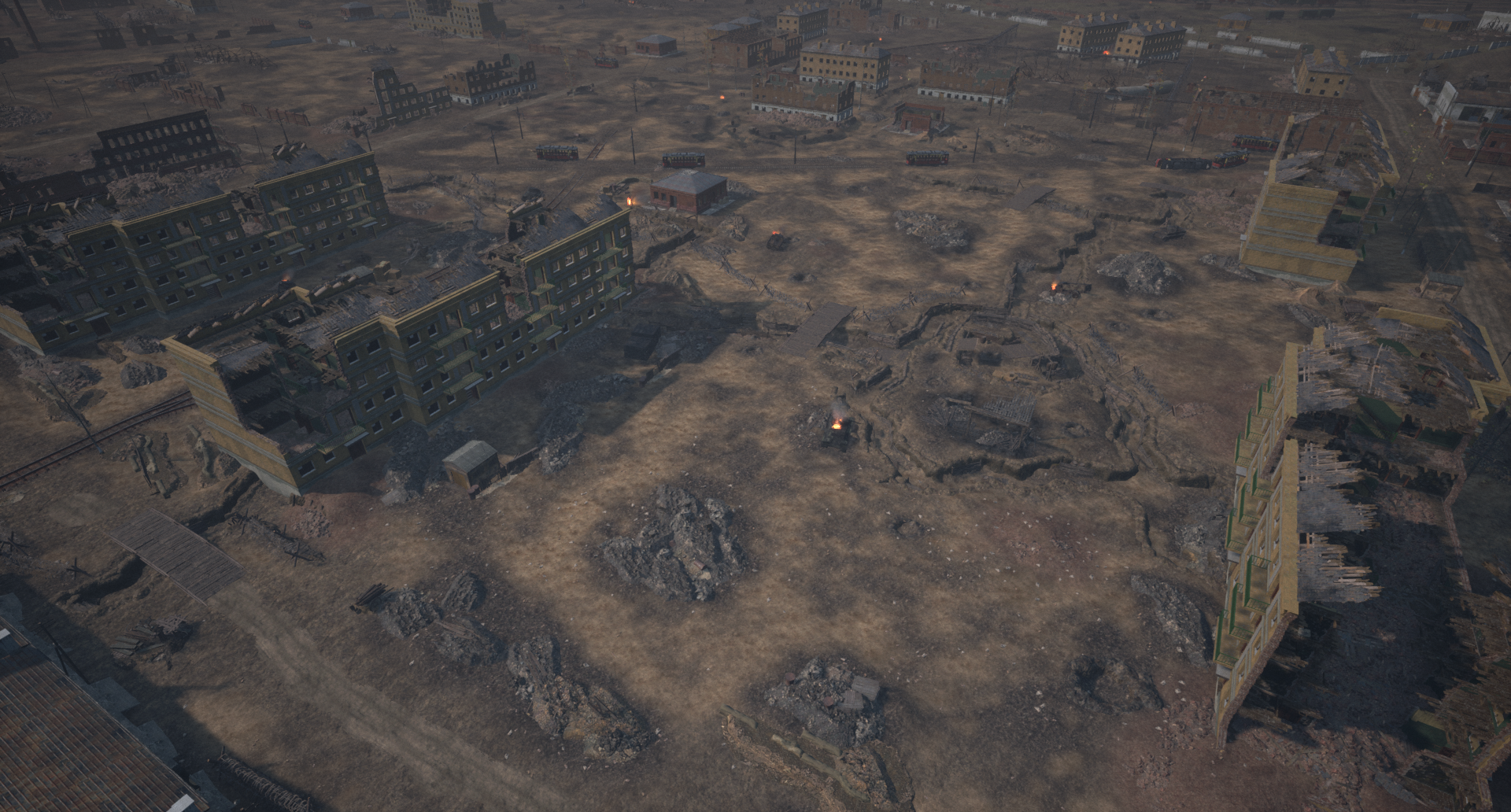
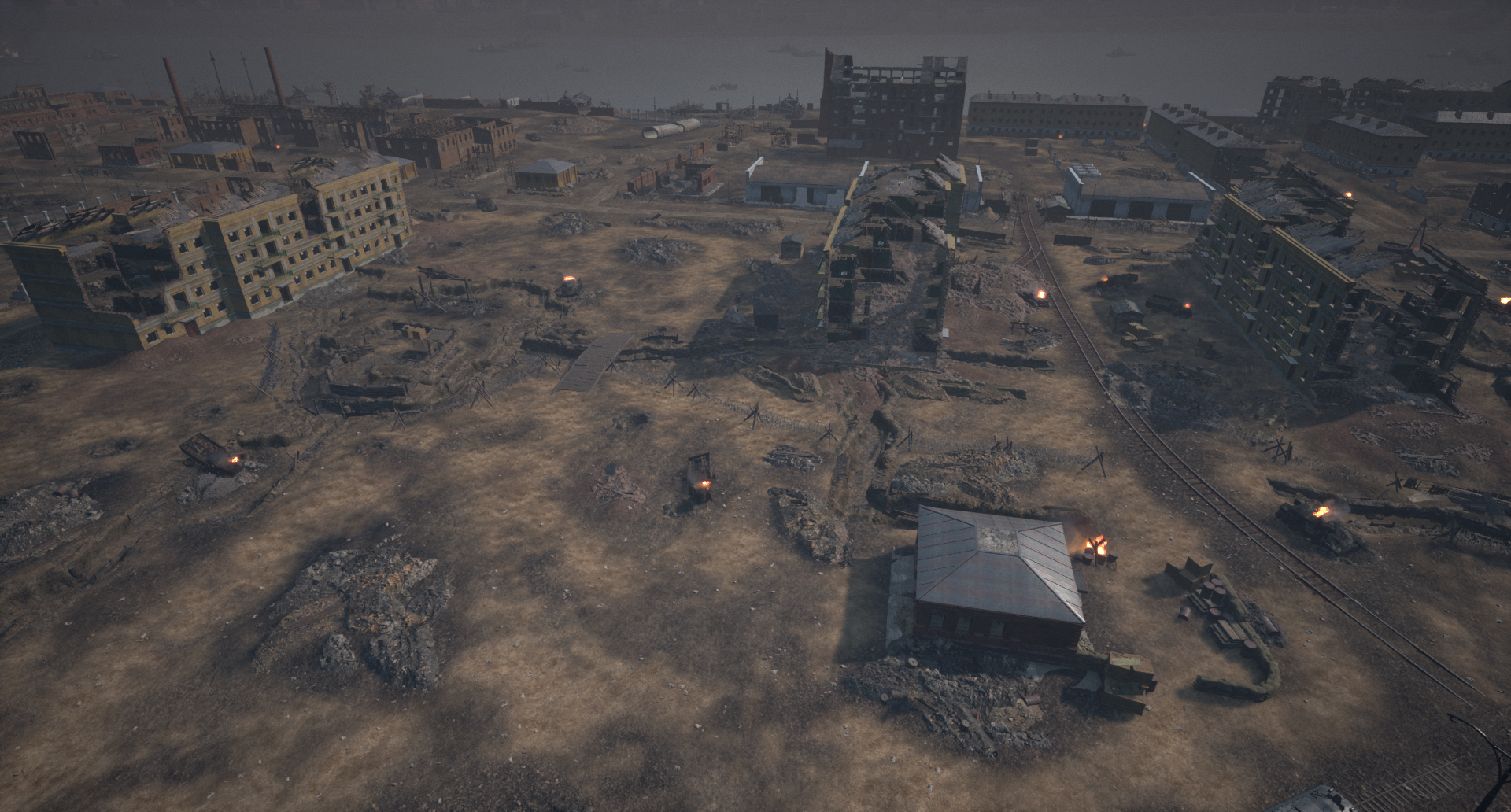
.png)
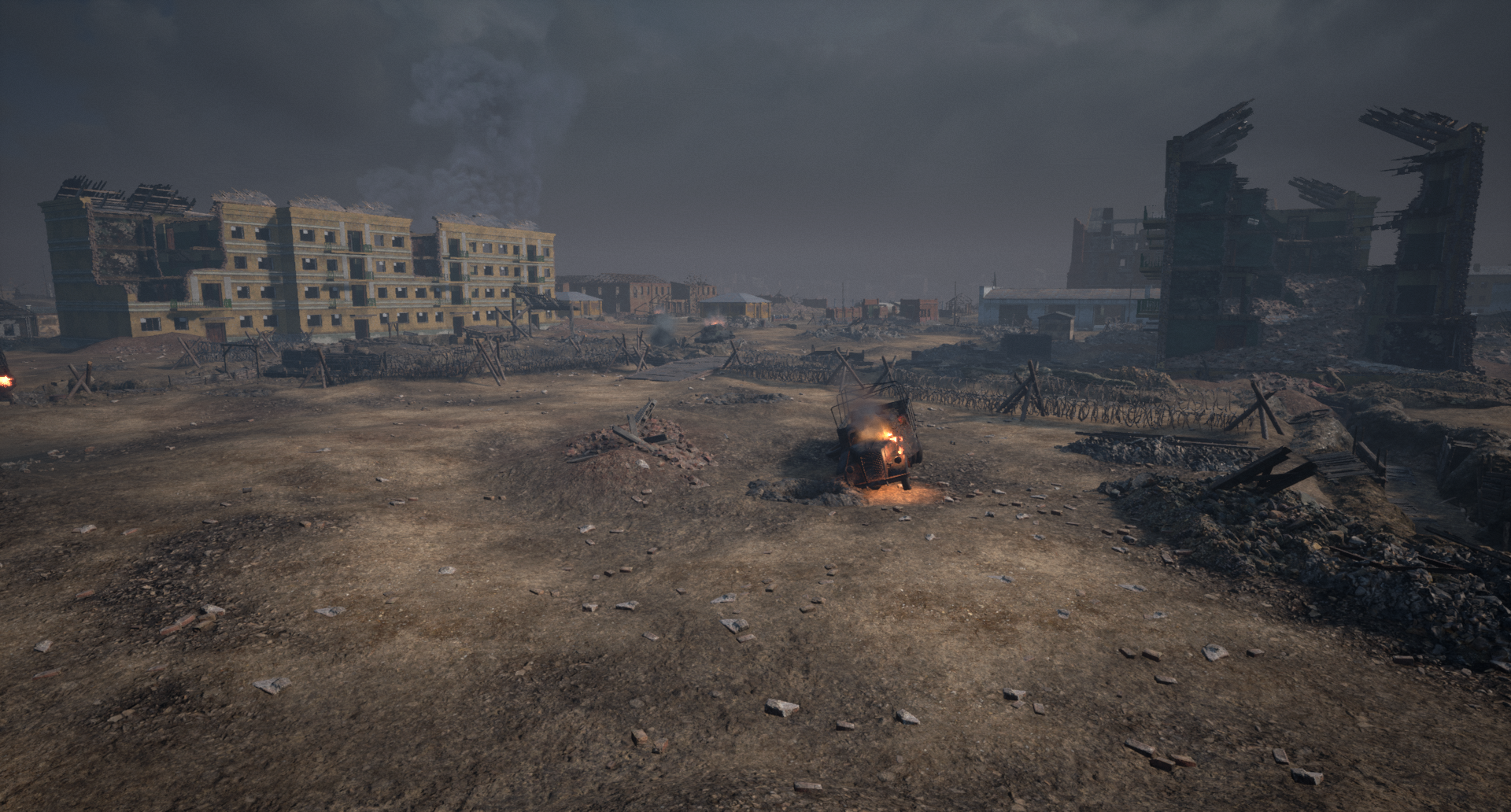
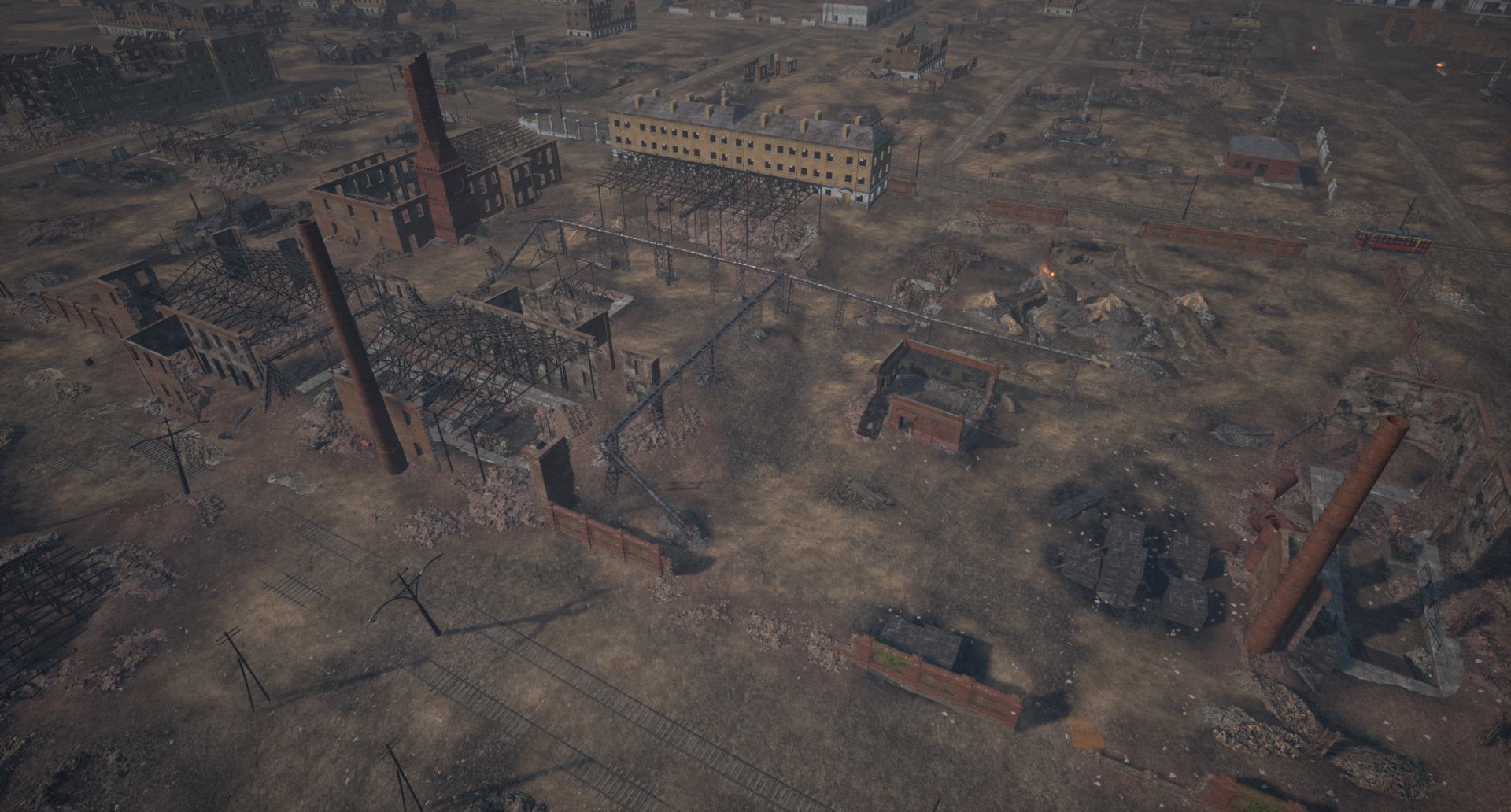
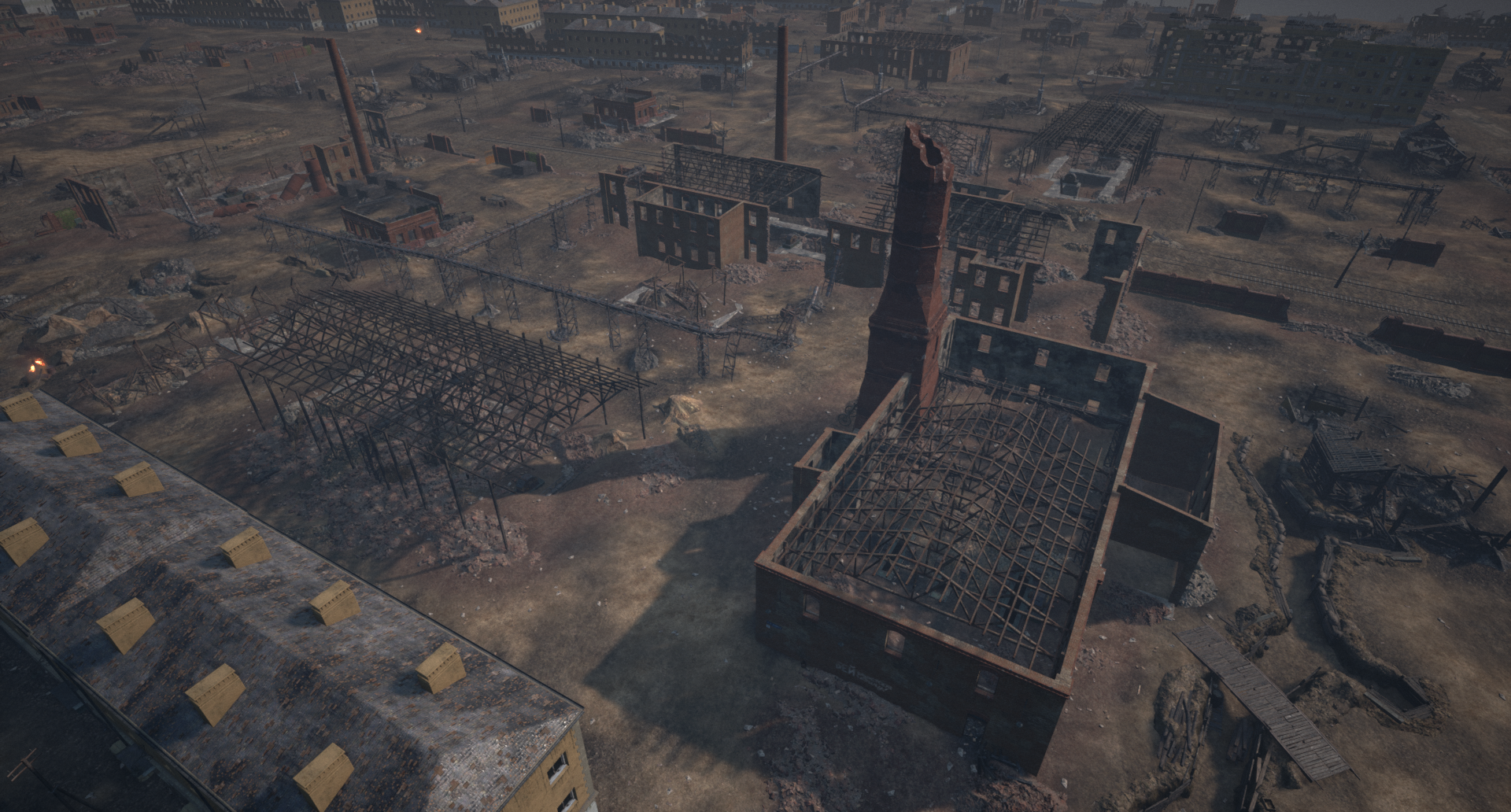
.png)
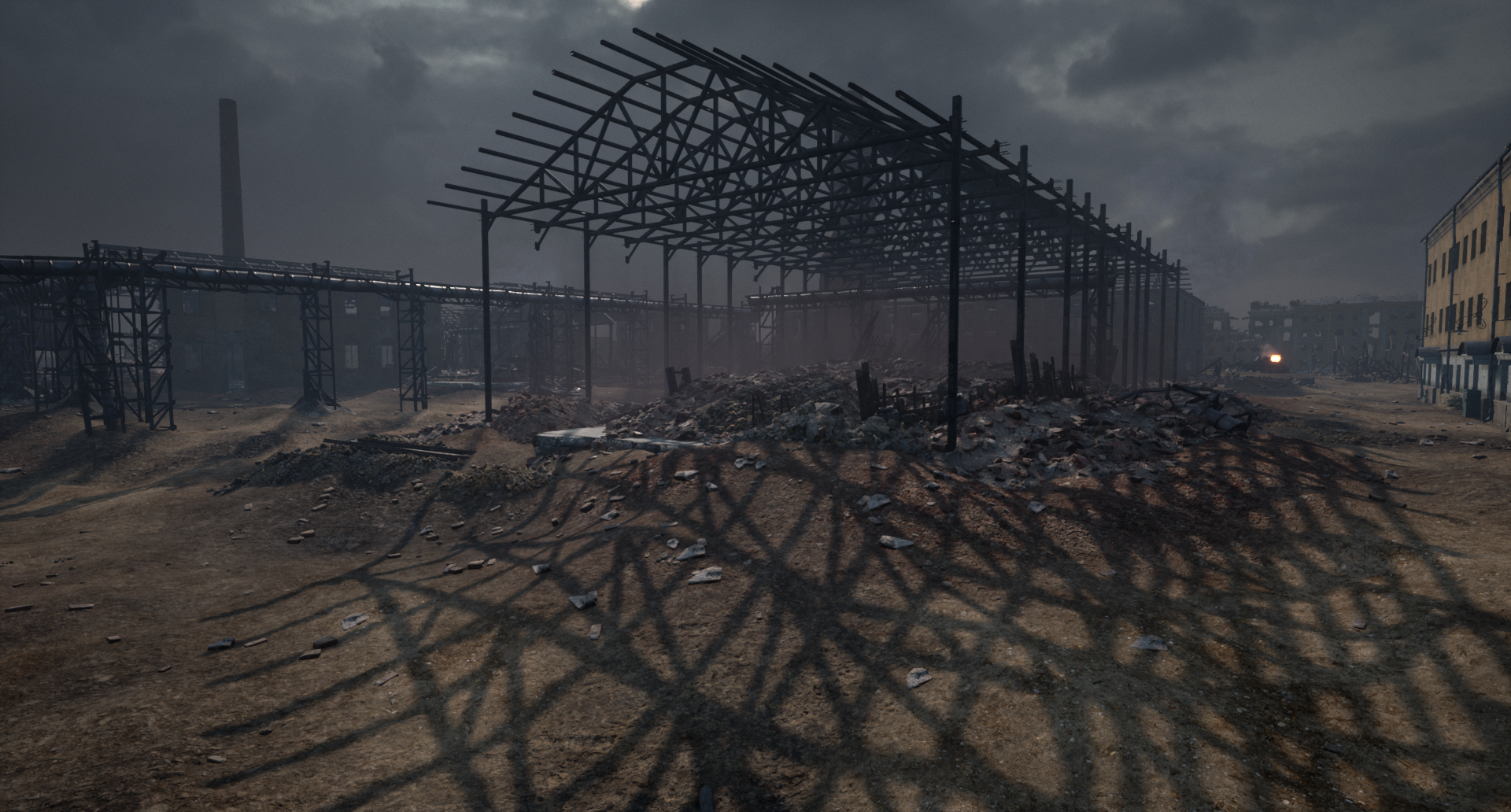
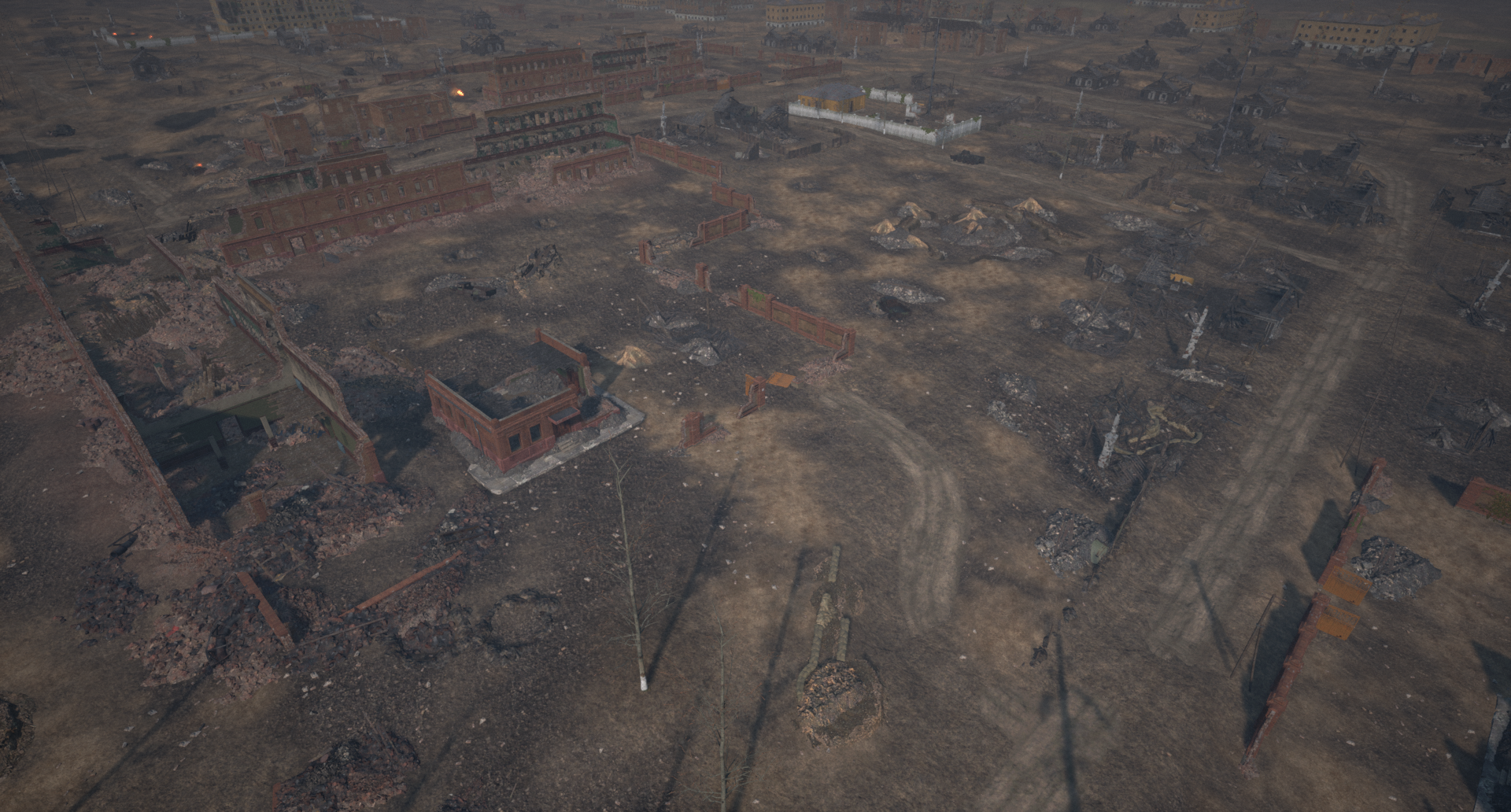
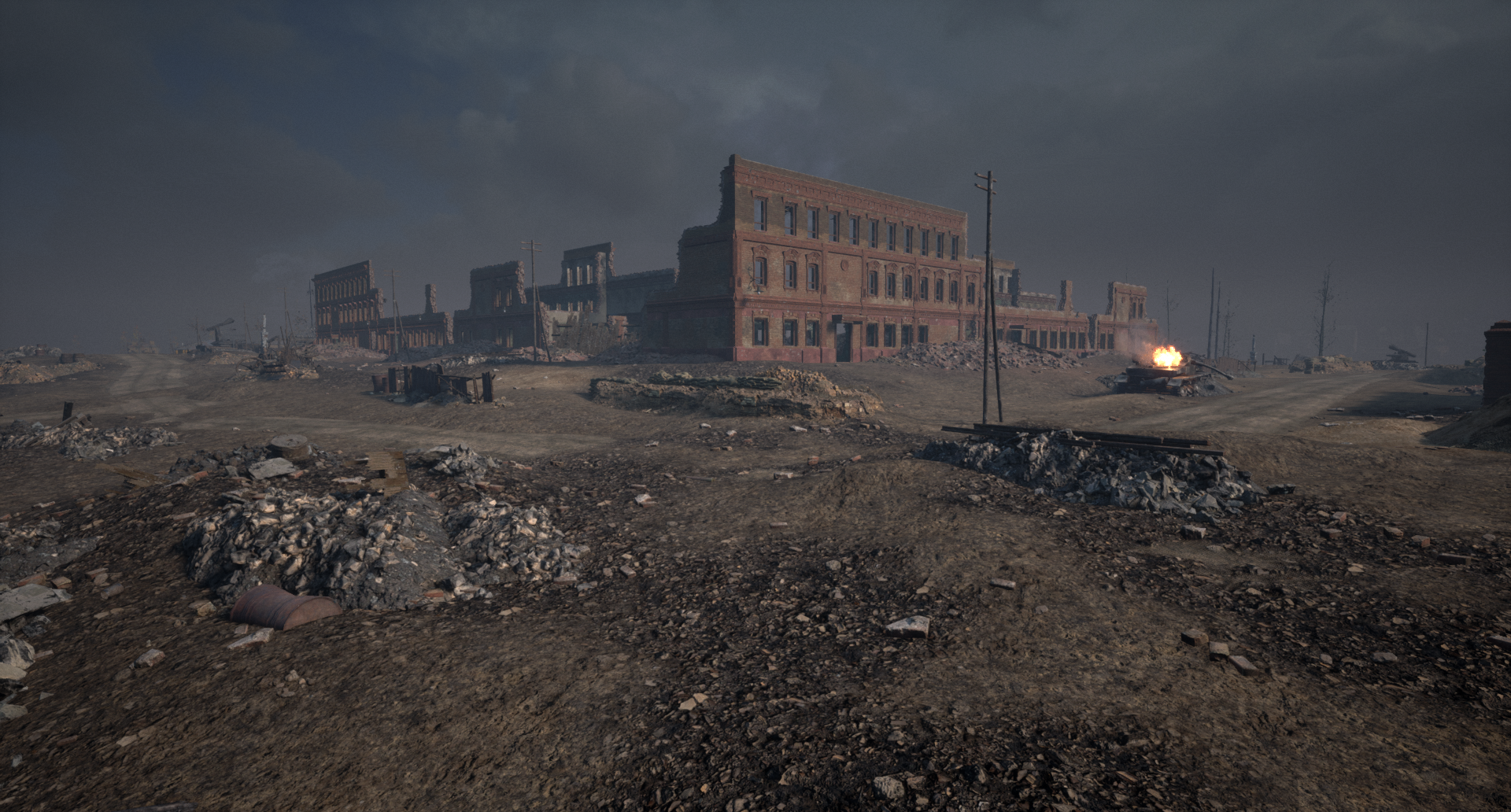
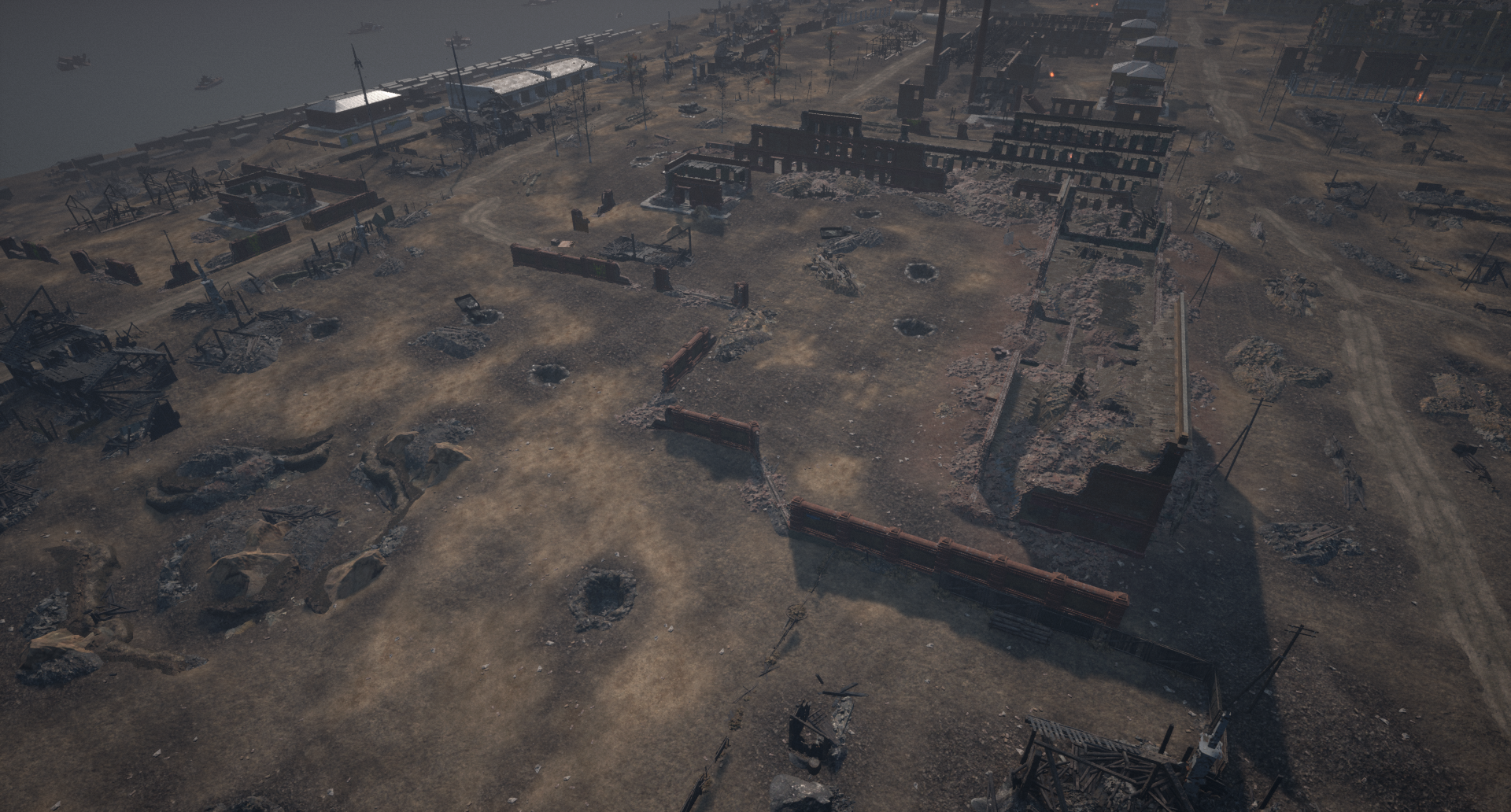
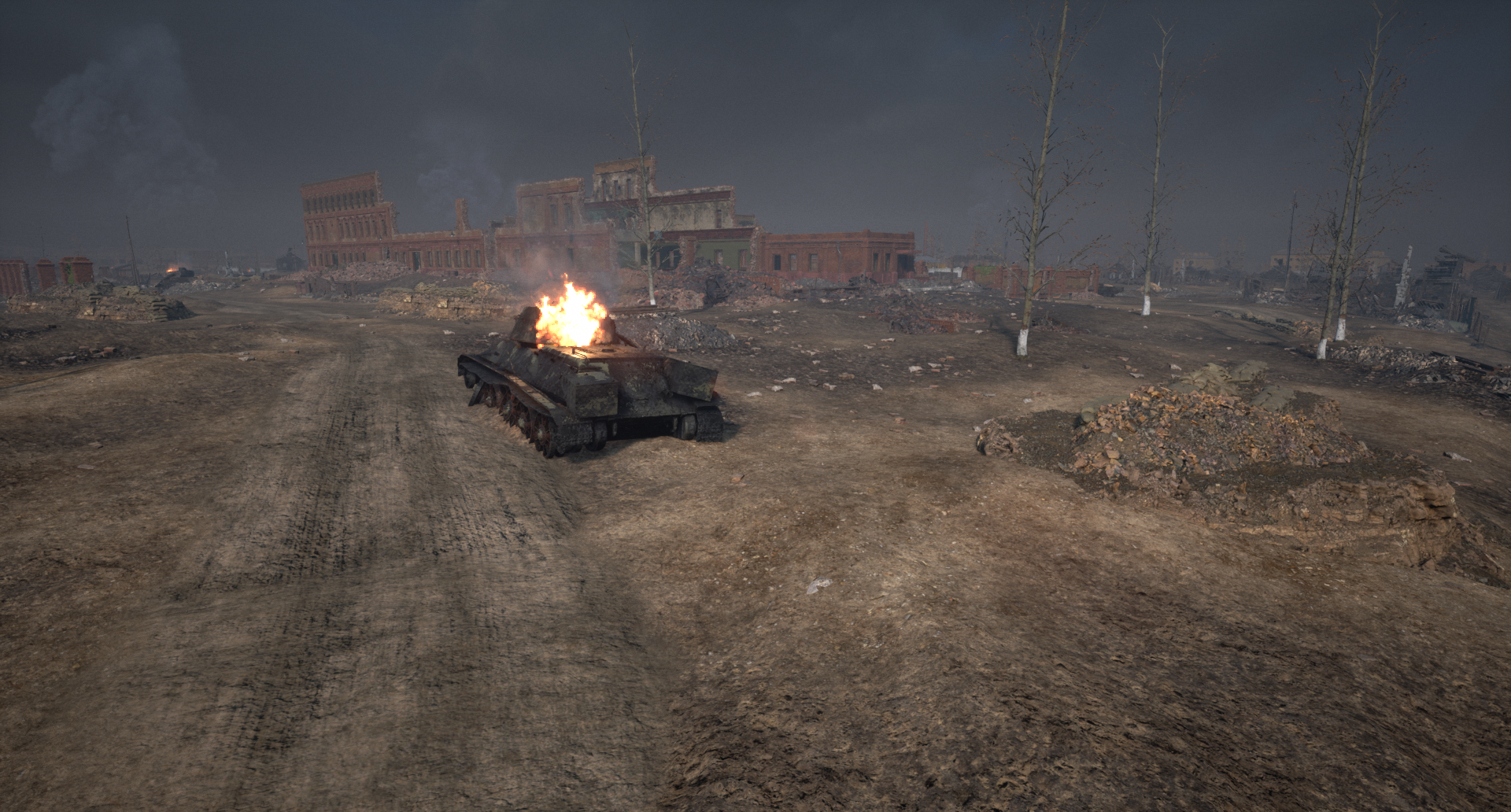
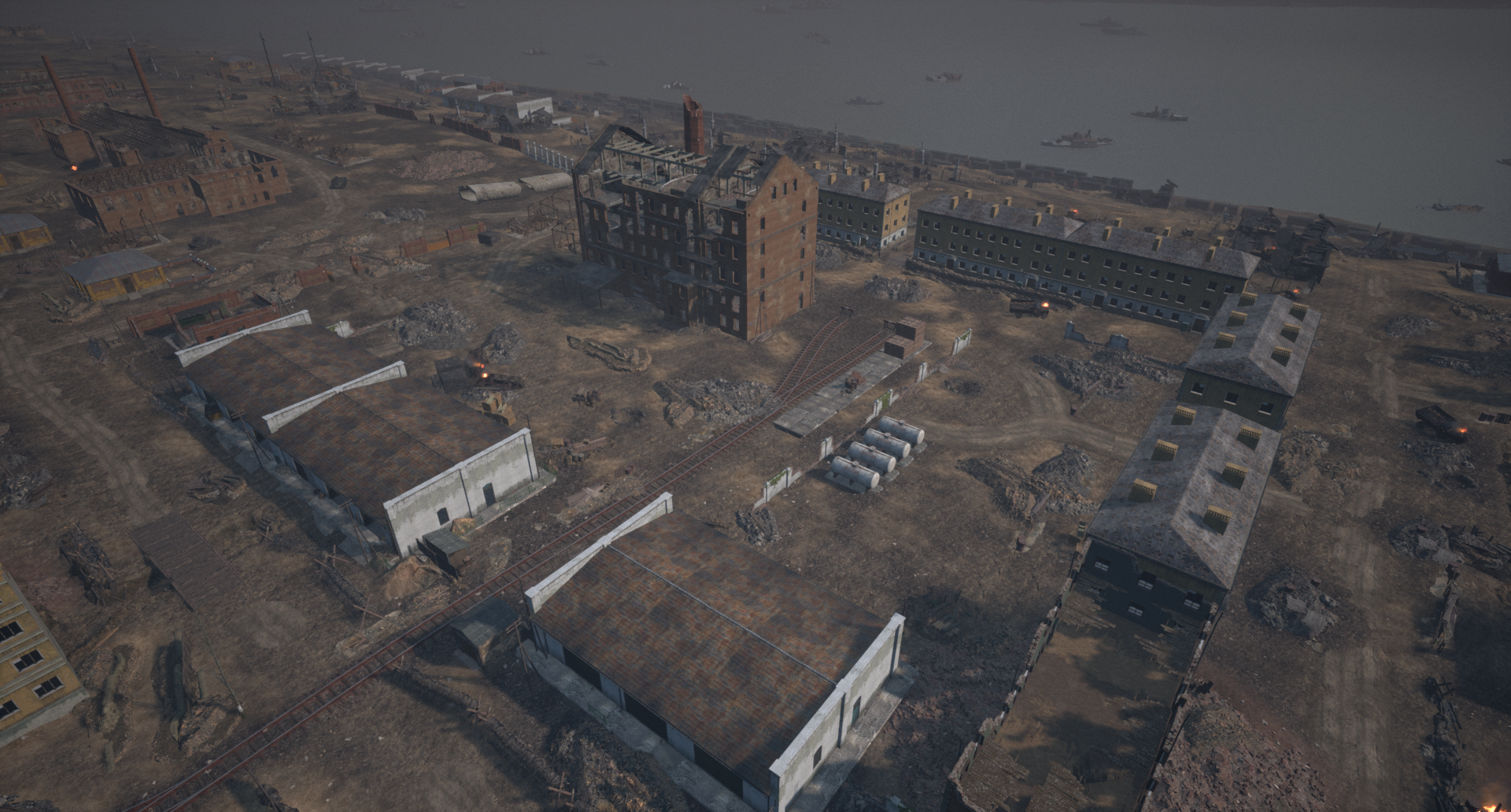
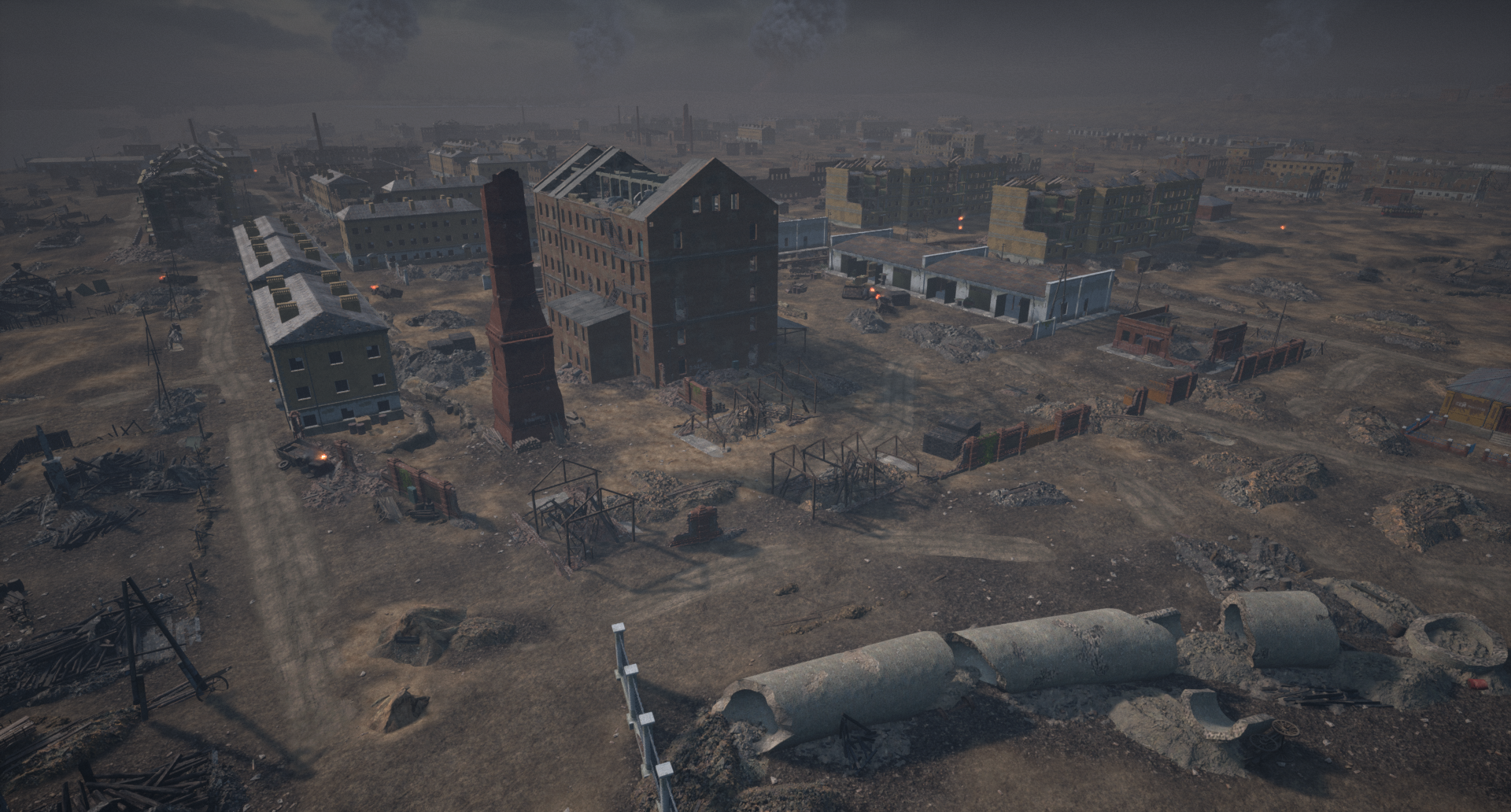
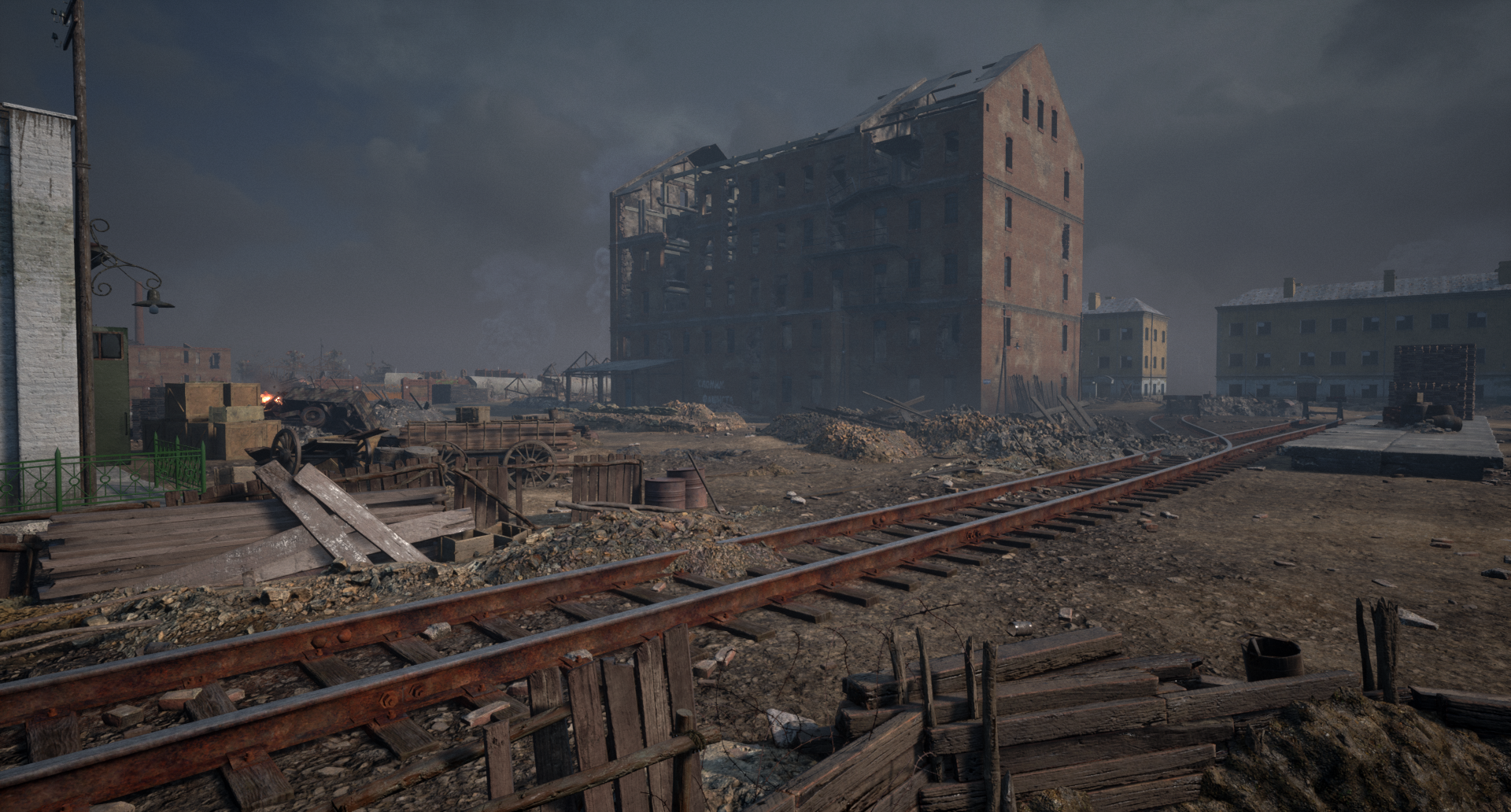
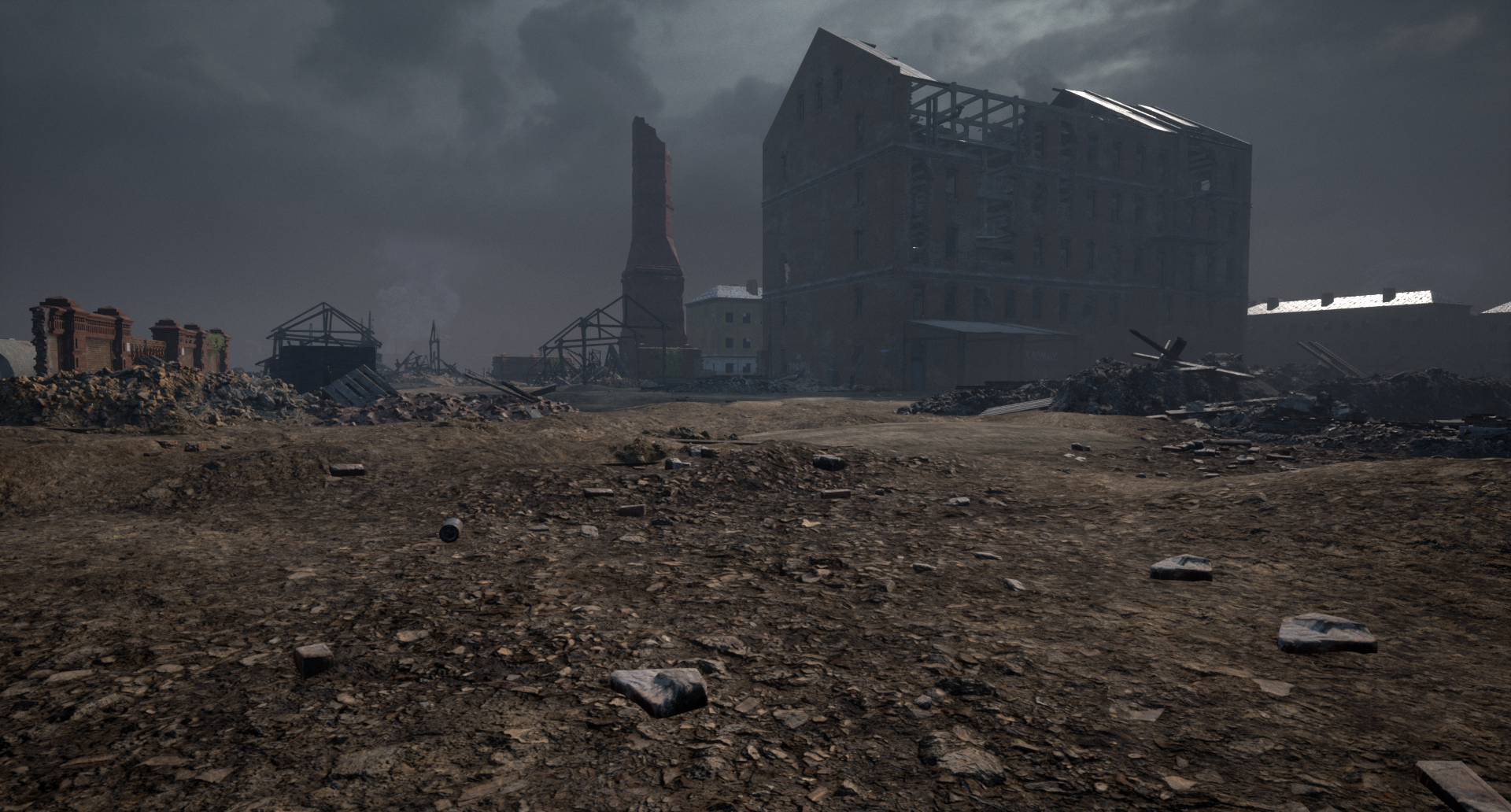
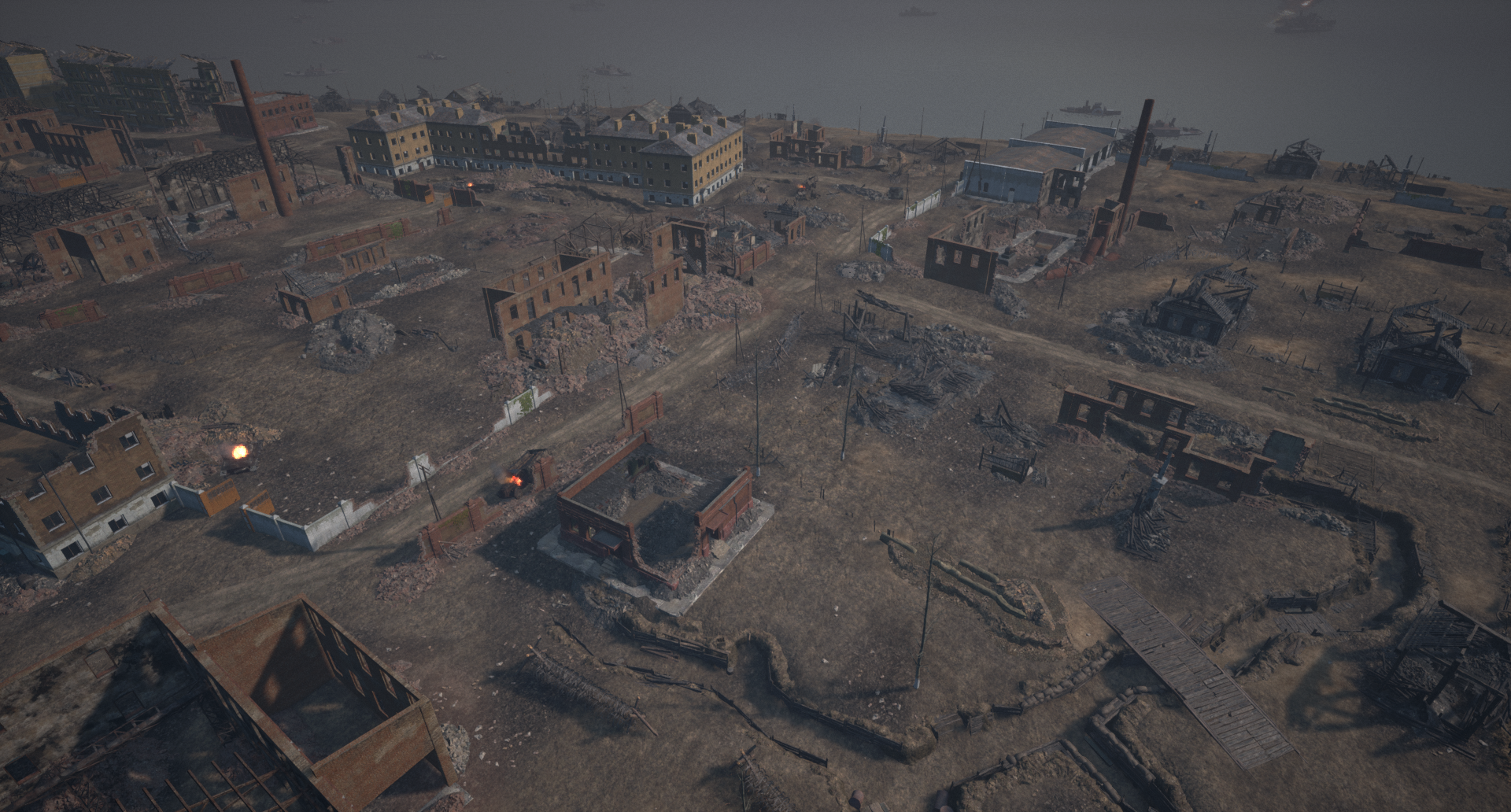
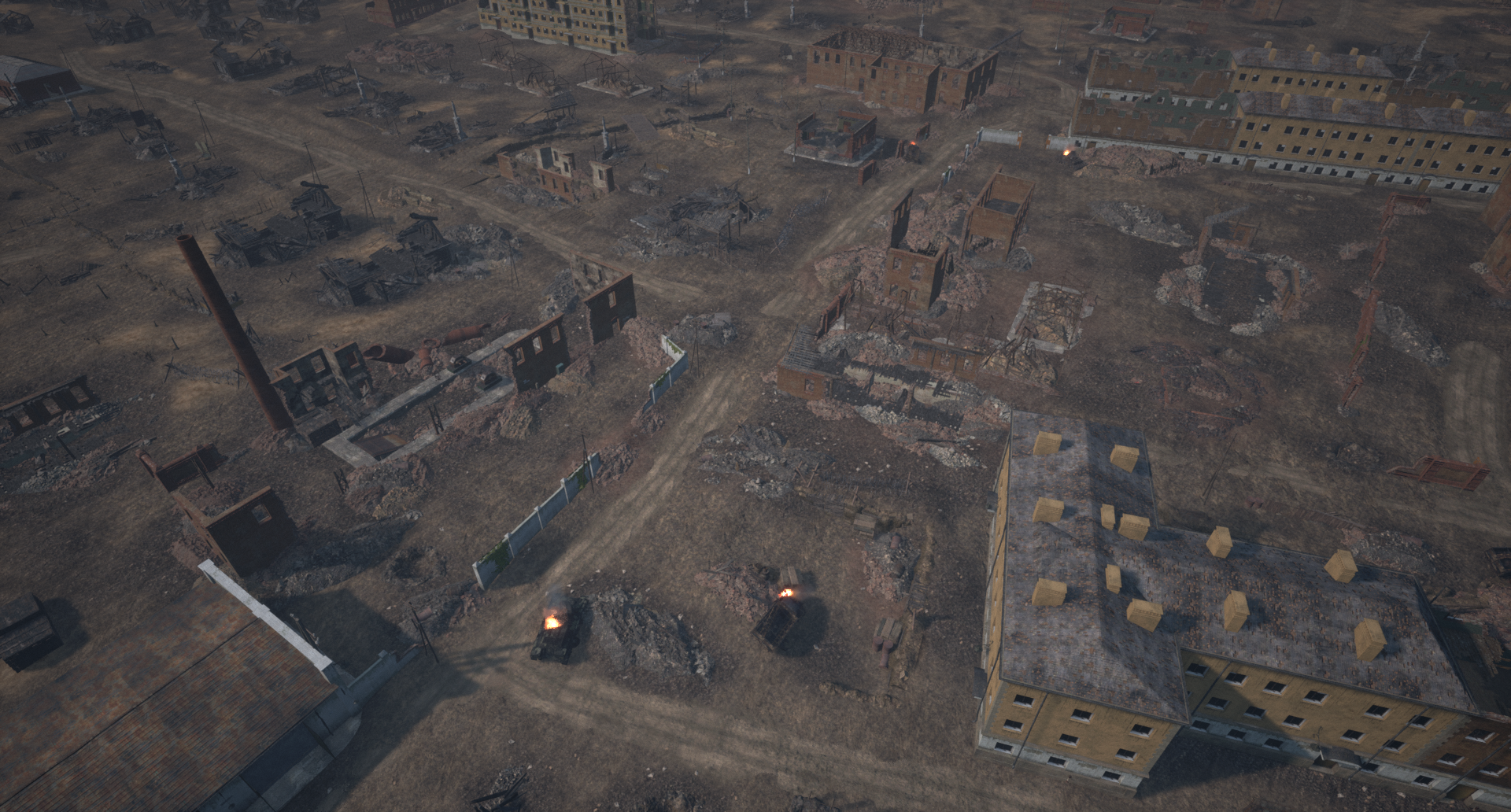
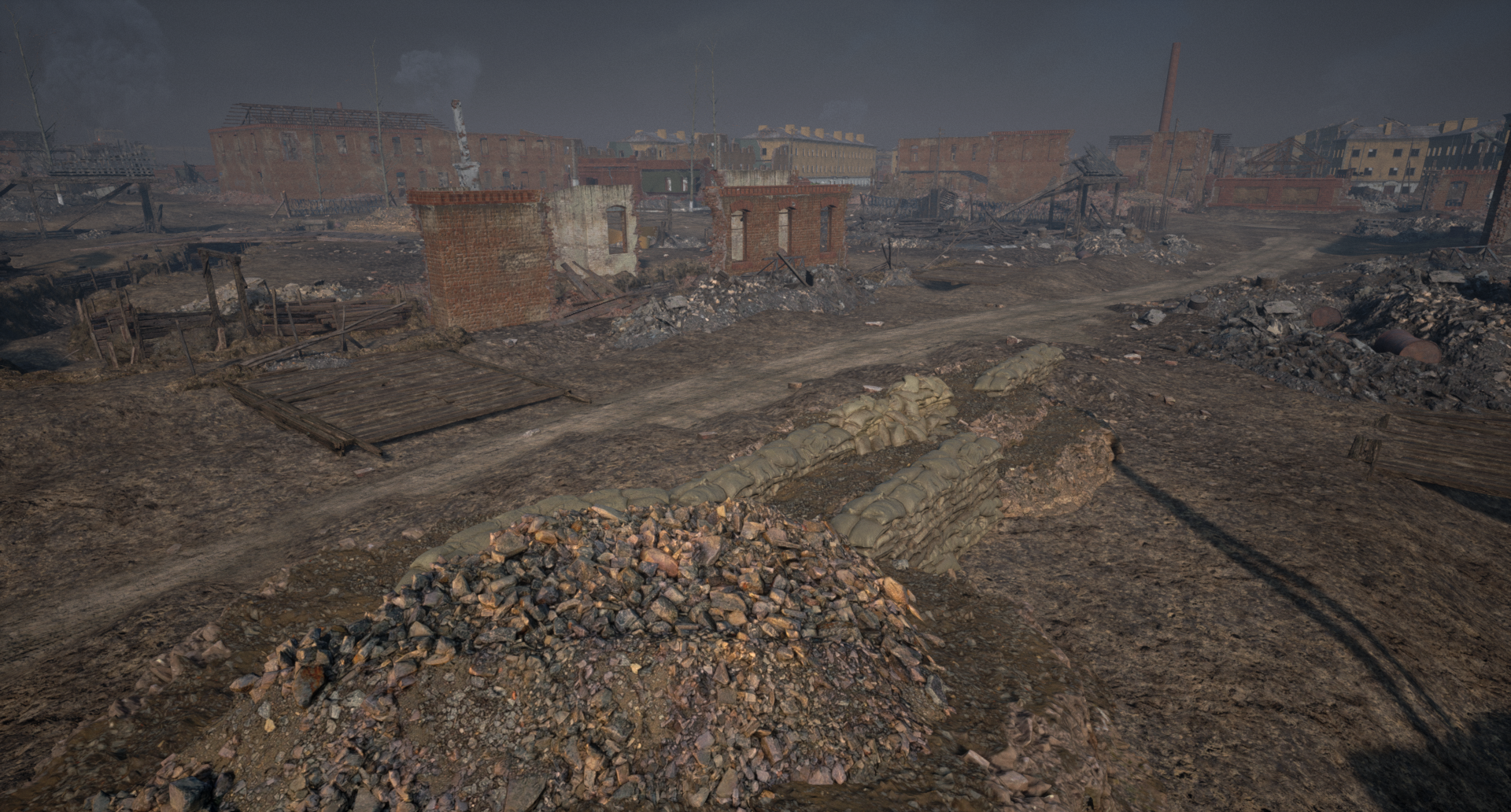
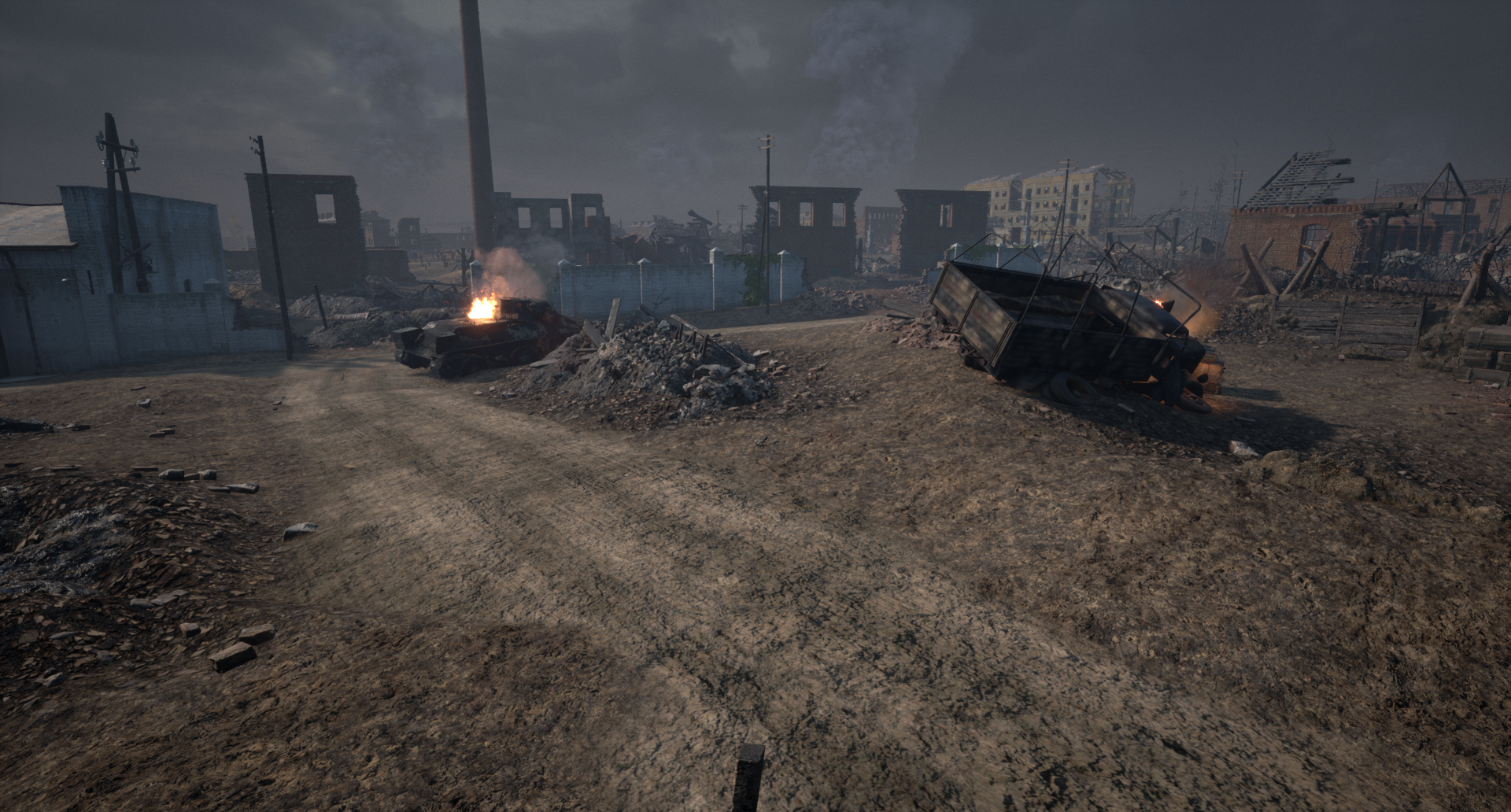
Two Skirmish mode scenarios have been created for Stalingrad. In this mode, players must fight over the ‘Carriage Depot’ capture point. Skirmish mode comes with the following lighting scenarios:
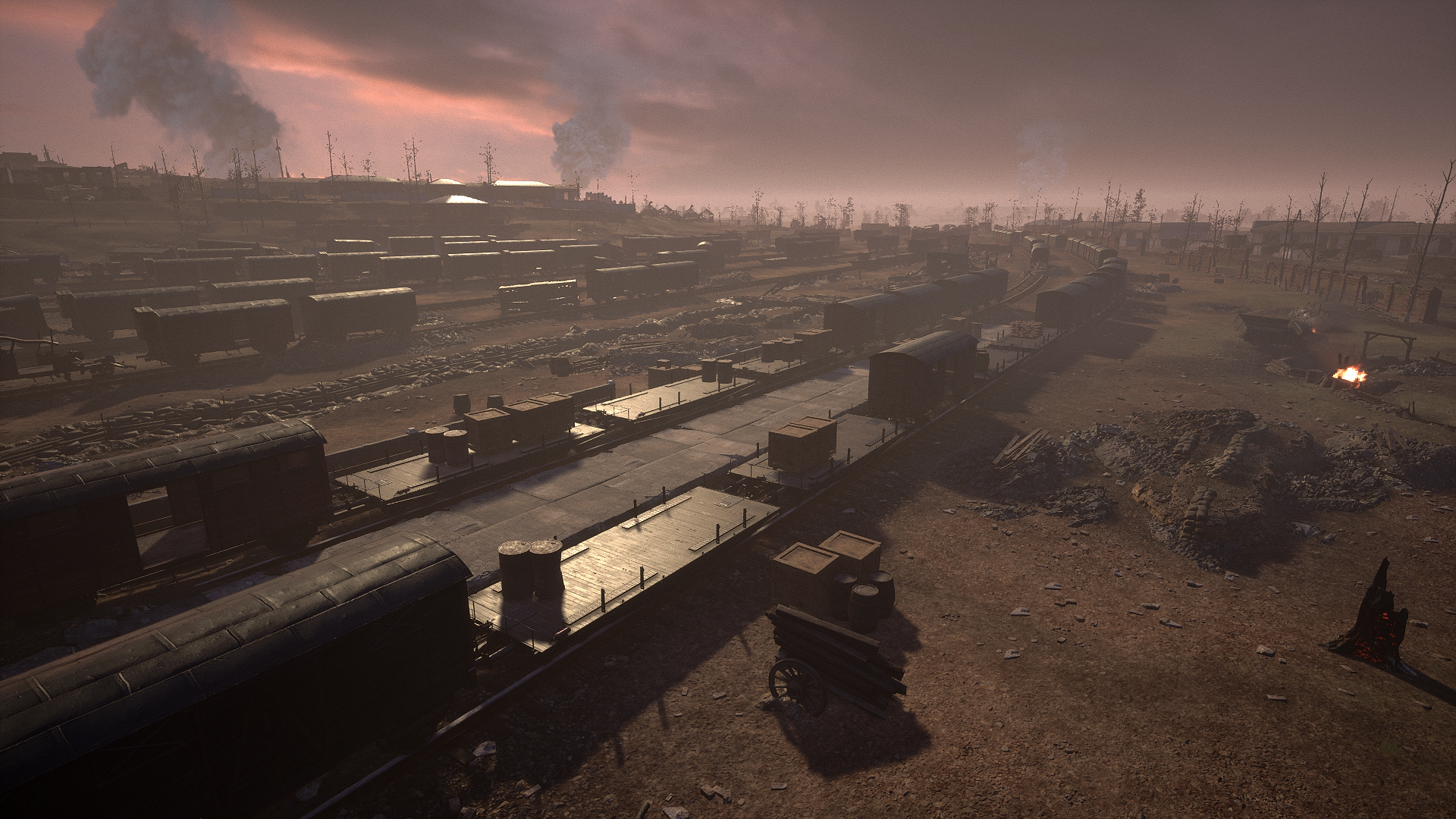
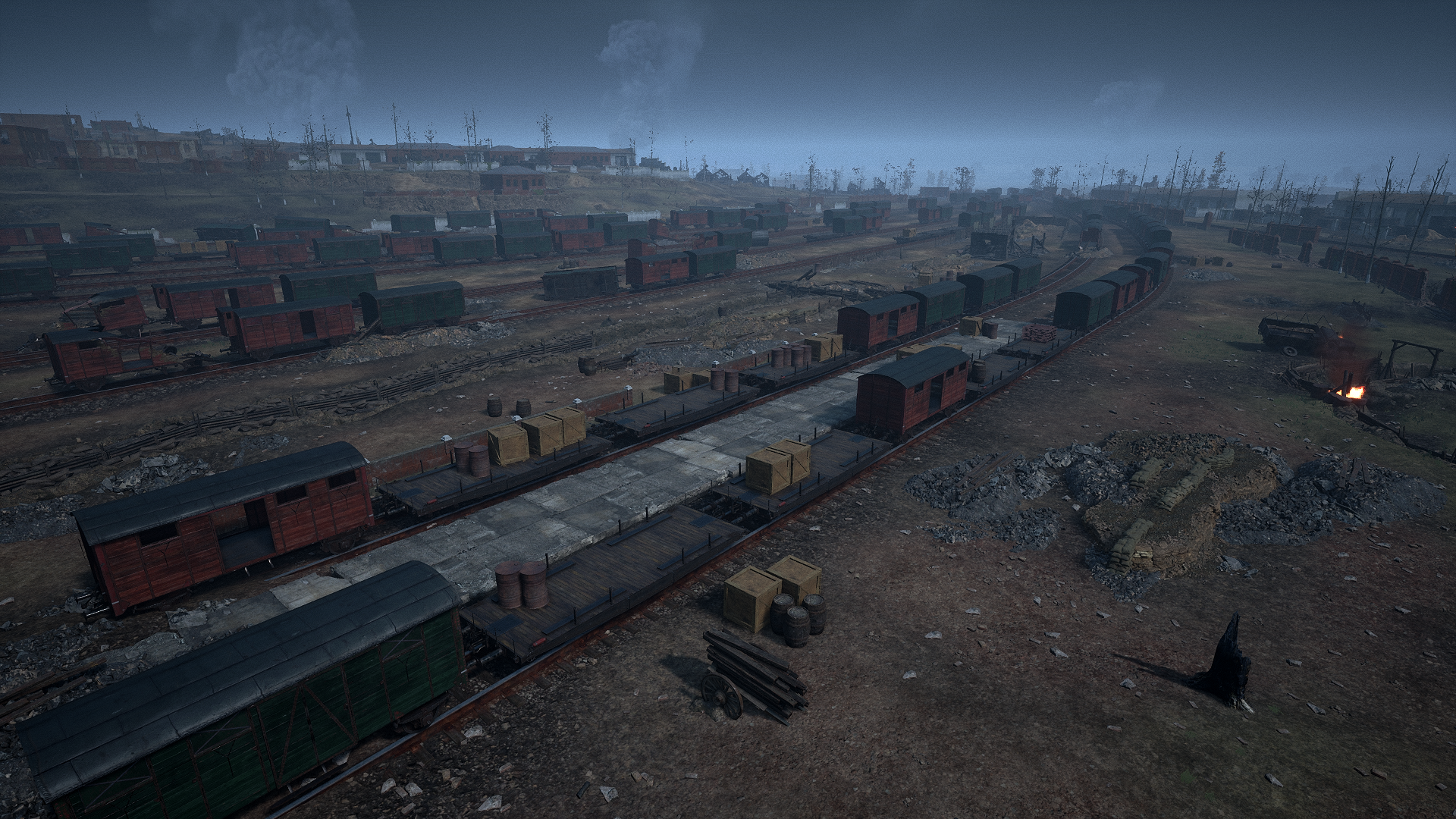
Five new lighting updates have been added with the night setting updated. Volumetric fog has been enabled throughout with the addition of atmospheric pockets of fog throughout the map.
.png)
.png)
.png)
.png)
.png)
This rework marks the beginning of a longer process, not only for tanks but for every role affected by armor.
The new systems and structures introduced below provide greater flexibility to adjust, balance and iterate in the future. The goal is to create a fairer, more enjoyable experience for all players, and this will take time. Player feedback is invaluable in refining armor.
We hope you enjoy the changes in this release and look forward to the upcoming plans.
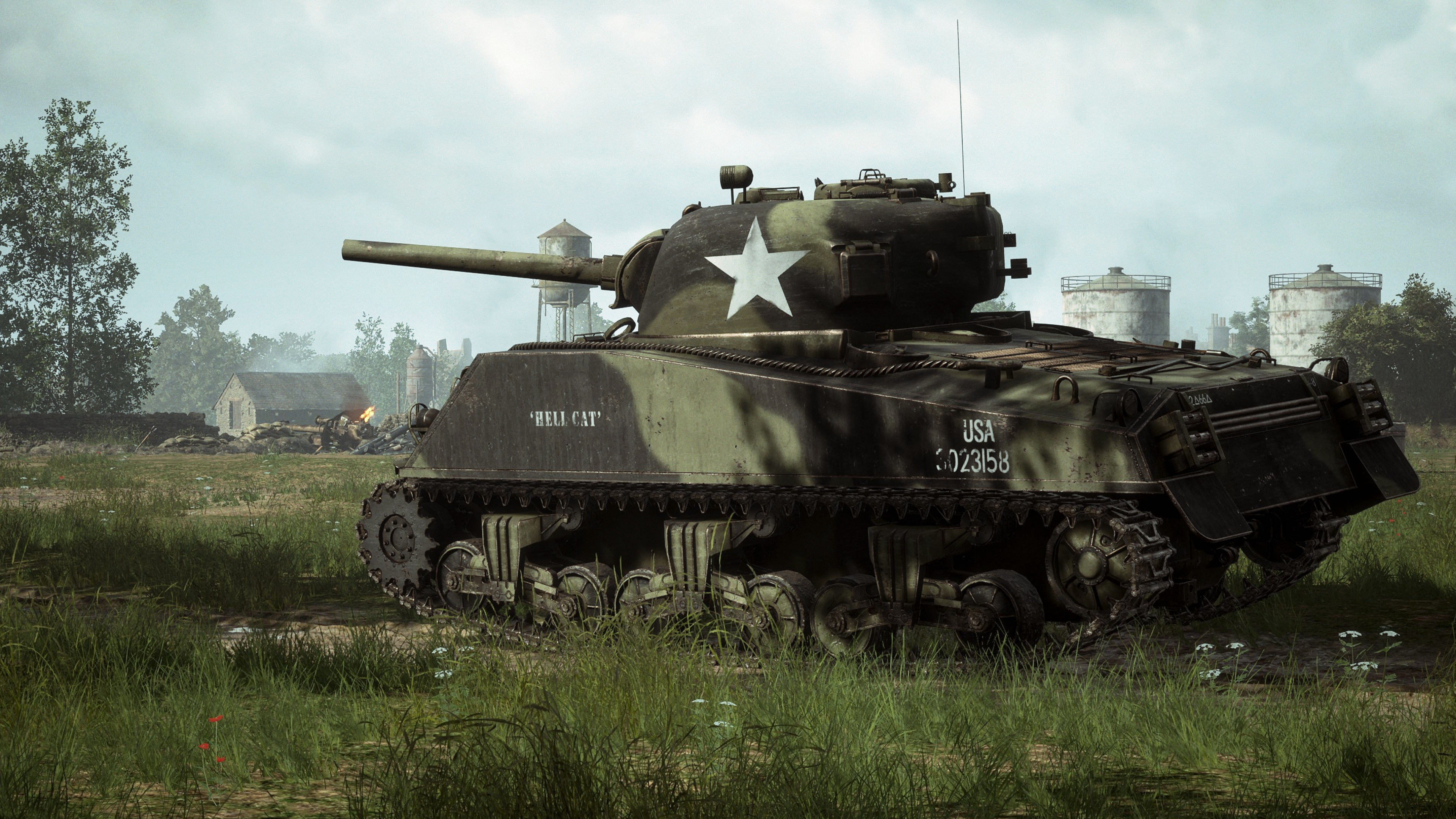
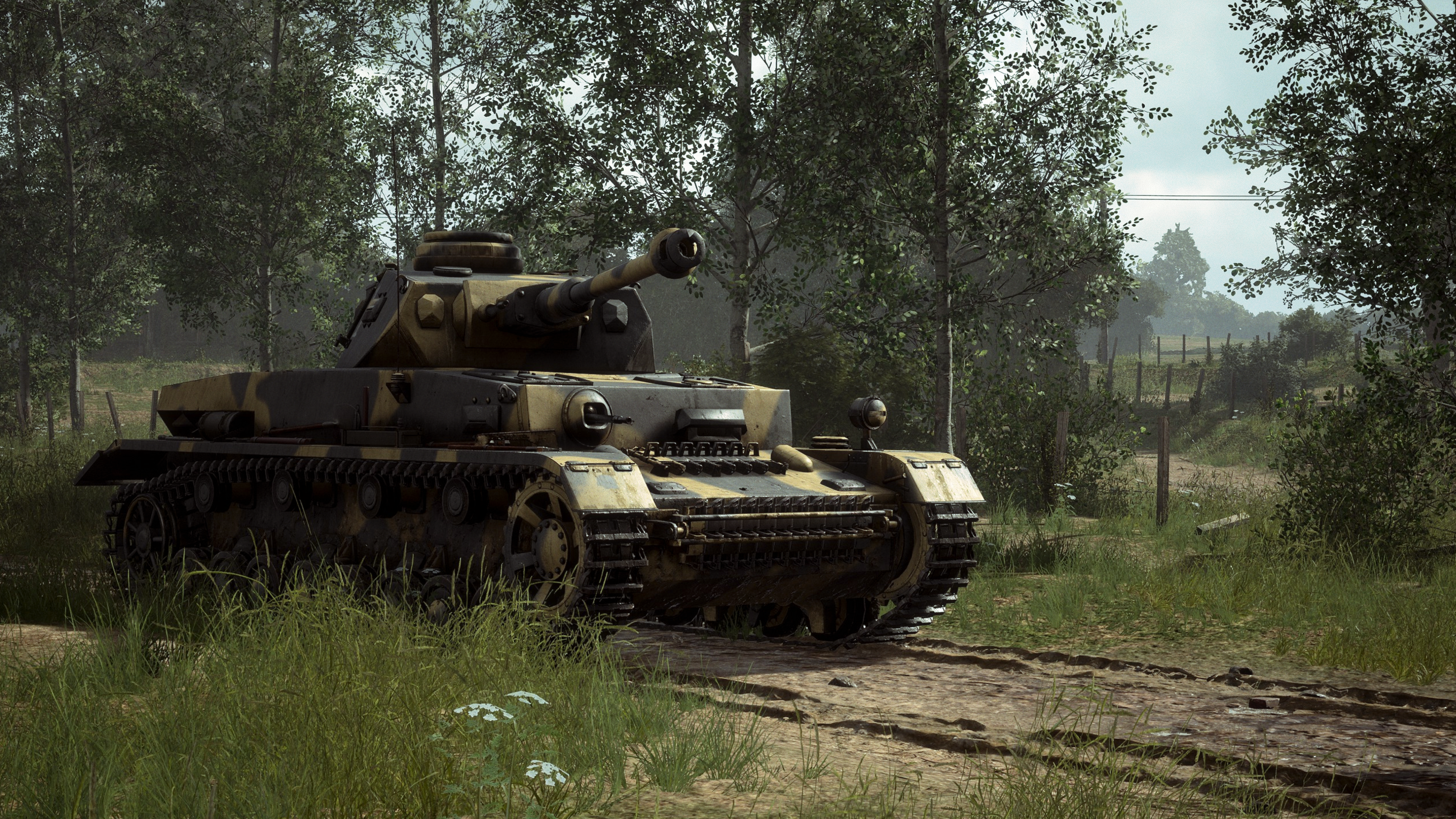
All light, medium and heavy tanks have had a balance pass for the following factions:
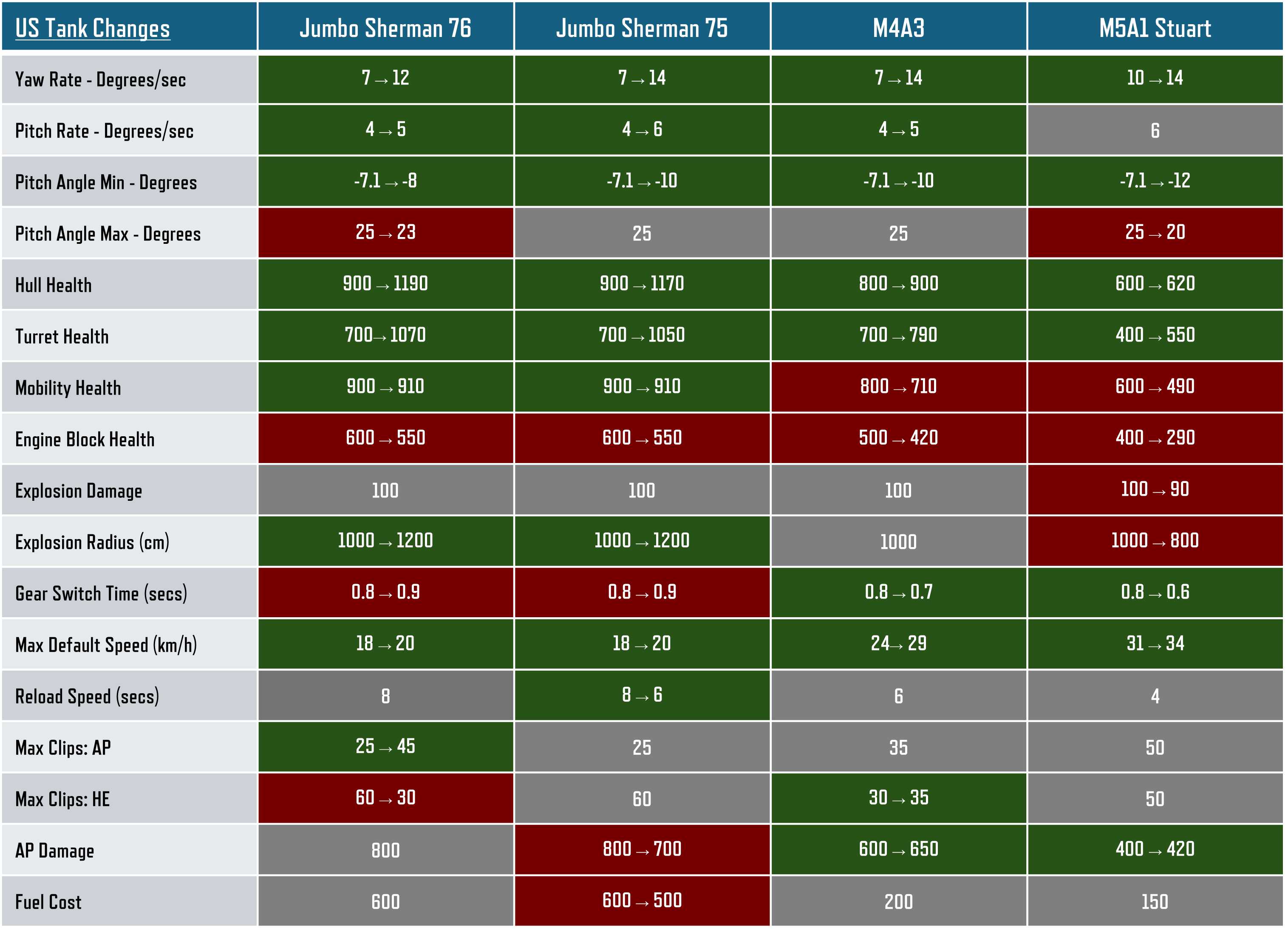
Furthermore, the Jumbo 75 Sherman has had a considerable increase in HE (High Explosive) splash radius. This coupled with the decrease in reload speed, reduction in fuel cost and lower armor penetration than other heavy tanks, makes it more of a focus towards an anti-infantry tank.
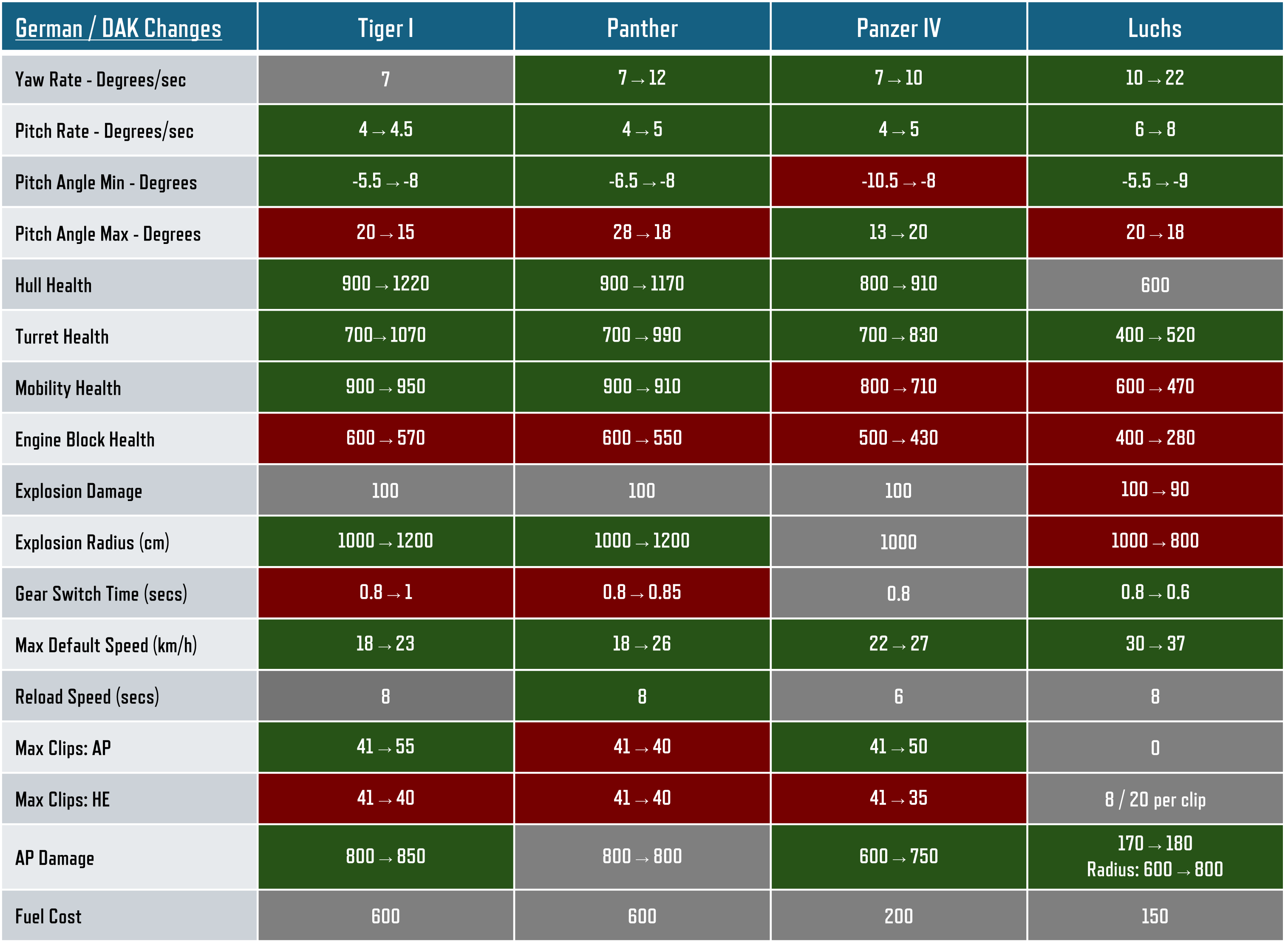
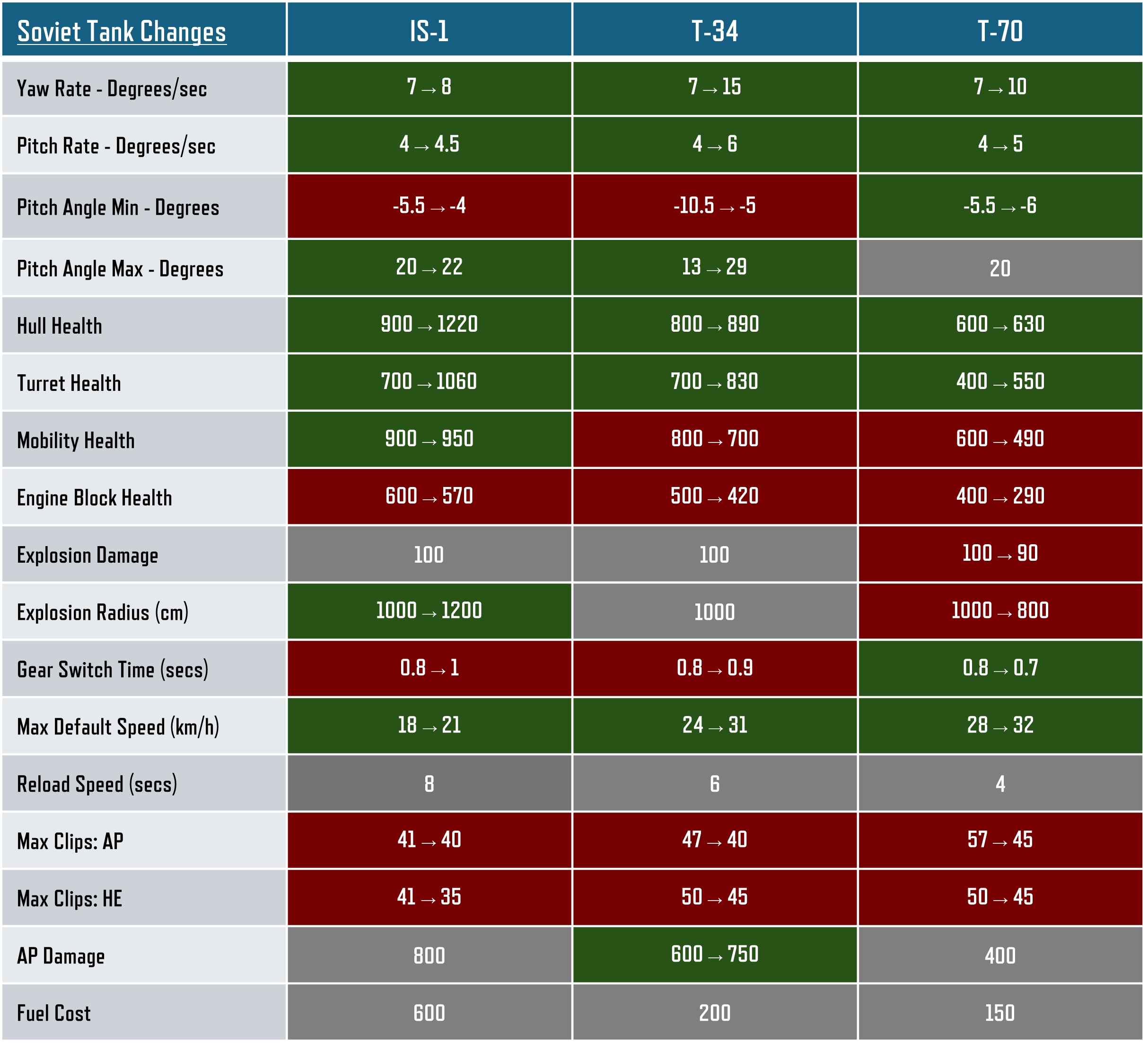
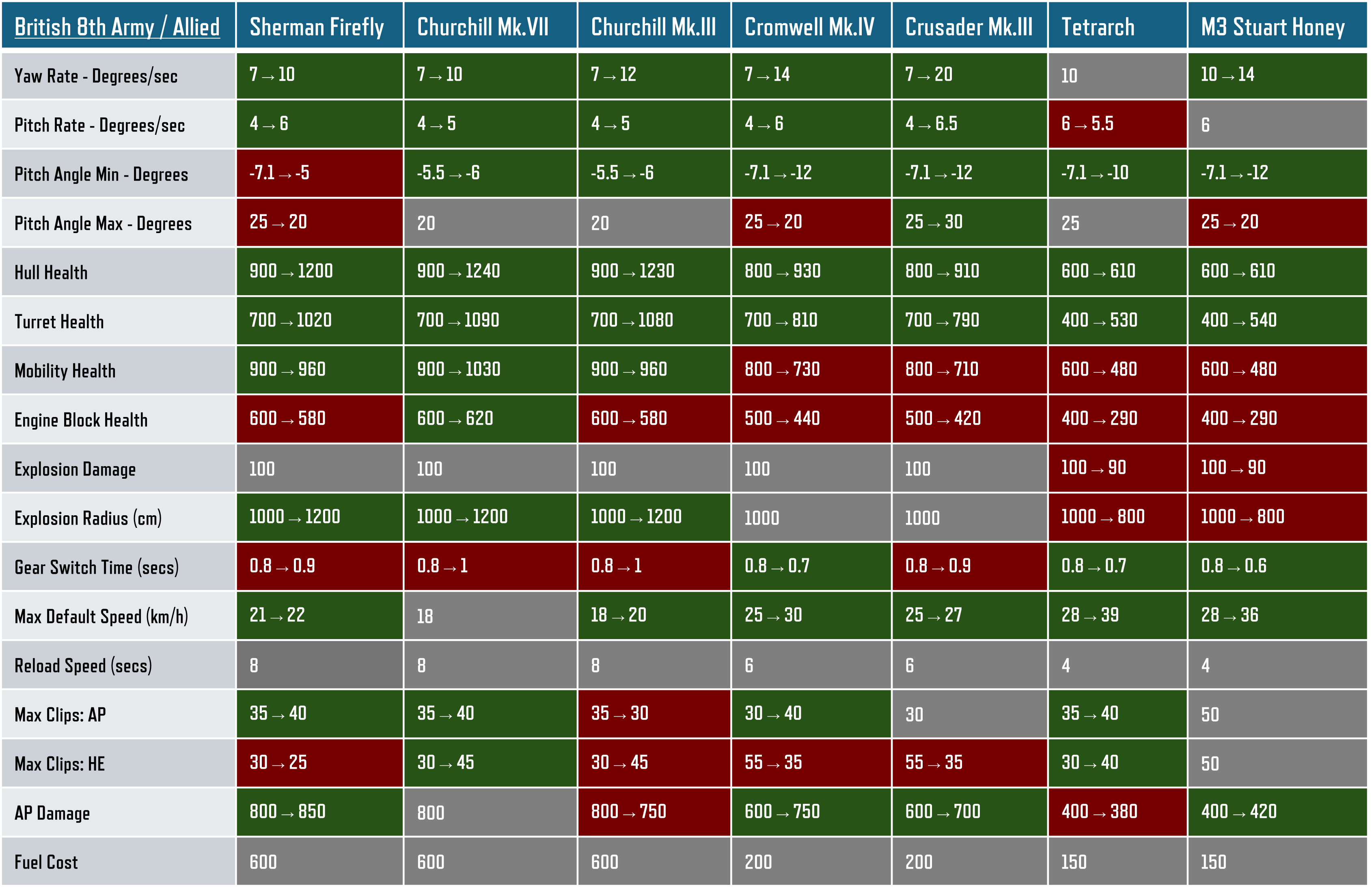
Tank movement has been updated to incorporate terrain-based modifiers. Track friction and speed now dynamically adjust depending on surface type. Environments like mud, snow and sand provide a more accurate performance variation, while remaining balanced within the world of Hell Let Loose. These changes are subtle but will make all the difference while trying to race towards the strongpoint.
The physical model of each armored vehicle has been individually updated and refined. Tanks can now more reliably cross trenches, gaps and other terrain features they are designed to handle on the battlefield. The improved physical model is key in ensuring that tanks can traverse over uneven landscapes and small obstacles with greatly reduced physics-based issues. Tanks now react to hitting large obstacles such as walls and buildings more realistically.
Maps in Hell Let Loose are large and sprawling, and contains legacy collision issues that affect vehicle navigation. Work will continue to improve the tank driving experience in future updates.
Tank firing from its main turret now includes a slight recoil effect. When a shell is fired, the tank will experience a small knockback to better reflect the force of the shot. Coupled with this are new camera shakes for light, medium and heavy tanks to further emphasise the force applied when firing.
To deepen the armor gameplay experience, the repair system has been overhauled.
Previously, the act of repairing a vehicle had an order of priority for which components should be repaired first. The engine was given the highest priority, but could be repaired by using the torch on any area of the tank, likewise with the hull, tracks and turret. A prompt would be displayed to the user to show which component was being repaired, but there was no way for the player to decide which component to repair first.
With this improvement, an Engineer or Tank Crewman can – for example – prioritise the tracks to make a quick retreat, or focus repairs on the turret to fight back in a last-resort combat effort.
Each team may field a maximum of two heavy tanks at any given time.
Their buffs make them a significant threat to both armor and infantry. Taking one down requires strong coordination and resource investment, all the while this limitation reinforces the importance of medium and light tanks throughout the match.
The cooldown timer on all heavy tanks has been increased from 5 minutes to 10 minutes, preventing any early-game strategies using a heavy tank.
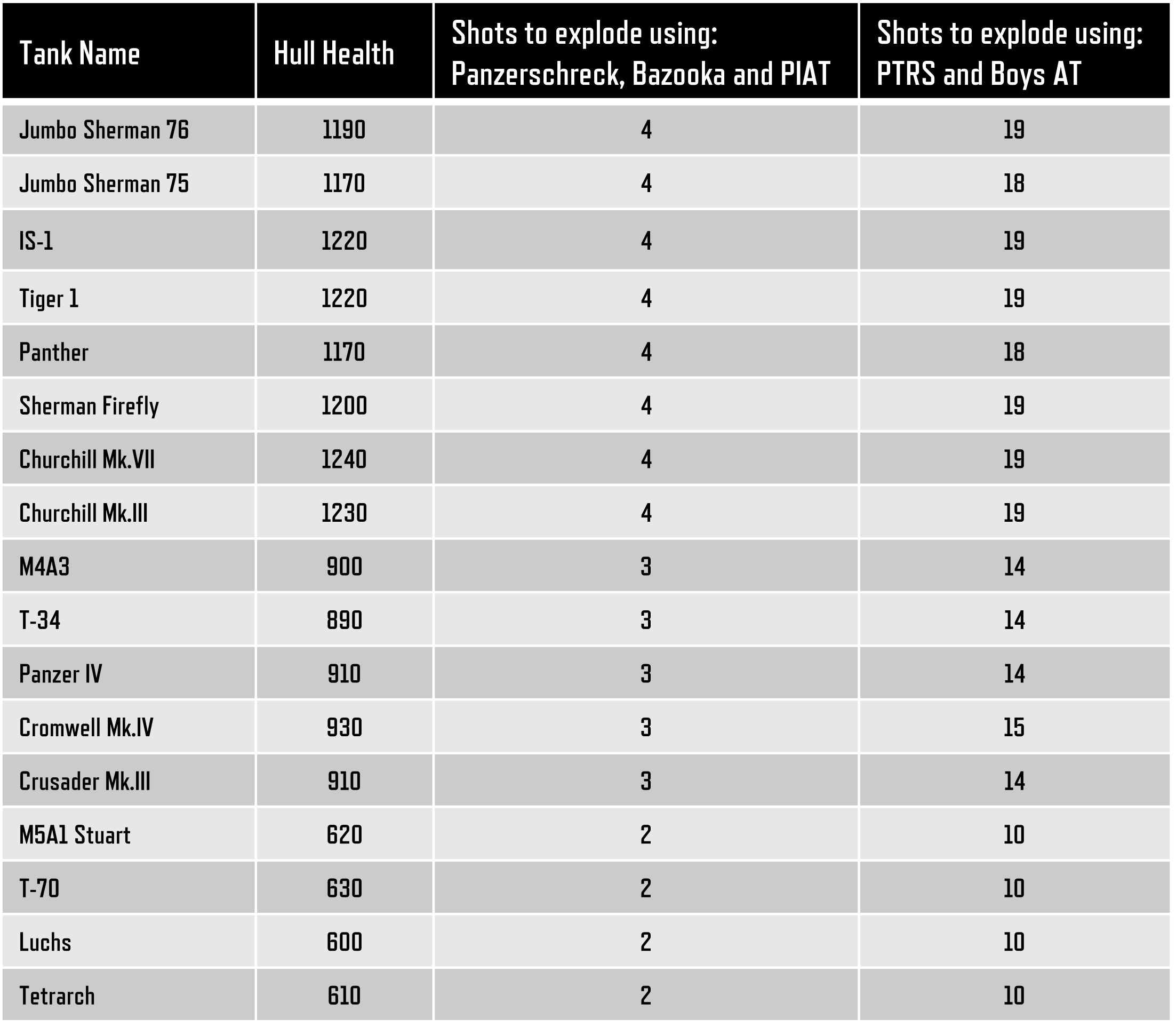
With increased tank health, anti-tank capabilities have been rebalanced. The Panzerschreck, Bazooka and PIAT damage has been slightly reduced, allowing some heavy tanks to survive longer. This is to emphasise their toughness without impacting medium and light tanks. Meanwhile, the anti-tank rifles, PTRS and Boys AT, have received a small damage buff when firing at the hull and turret, making them slightly more effective against tanks.
The following table shows how many shots it takes to destroy each tank. These values are using prime conditions; correct armor penetration and full damage applied to the hull.
Alongside the tank updates, the Crewman role now features a new addition: the Technician loadout.
This new variant of the role provides engineering capabilities, allowing players to construct barricades, repair stations and a new deployable ammo depot. This new depot refills tank shells in limited quantities.
These additions enable armor squads to establish forward positions for resupply and repair without needing to return to HQ.
A new Salvage mechanic allows infantry to remove vehicle wreckage from the map. By using the hammer to interact with a destroyed vehicle for a set duration, the wreckage is cleared and a portion of fuel is returned to the friendly Commander.
This applies to both enemy and allied vehicles and can be performed by any player equipped with a hammer. In conjunction with this, all recon loadouts have been given a hammer, allowing these units to salvage enemy vehicles in hostile territory before others can reach them.
Armor cosmetics are now available alongside the soldier customization system. Players who purchase a cosmetic item for a vehicle can use the Exterior Customization tool to apply it in gameplay. While previewing, other players will also see the previewed cosmetic, so armor squads can decide on their tank’s visual style.
Once applied, tank cosmetics are locked to that particular instance of the vehicle, and would have to be reapplied to other vehicles of that type in the same match. Once a player is previewing cosmetics on a tank, other players will not be able to interact with it. Players will also be prevented from previewing and applying cosmetics when the tank is occupied.
This update, the audio changes have been mainly focused around the armour rework quality of life fixes. The updates are as follows:
Commanders for all factions have a new ability called ‘Artillery Strike’, this allows them to place up to three artillery clusters (per turn) on the battlefield, at the expense of Munitions.
Note: This is Part I of the artillery meta rework, with Part II releasing in Update 19.
In admin camera, as well as being able to see players from both forces in the game world, server owners and admins will now be able to see players from both forces on the tac-map as well.
Invite only locked units can now be created, which block requests for others to join your squad. The pre-existing locked unit type and open units remain.
This is a quality-of-life improvement that allows players to adjust their field of view (FOV) while aiming down sights (ADS). This matches the experience of aiming from the hip, with adjustable FOV settings. ADS and hip-fire have independent values, with separate settings in the options menu.
ADS FOV is not allowed to exceed the current base FOV value, to prevent visibility exploits that would produce an unfair advantage.
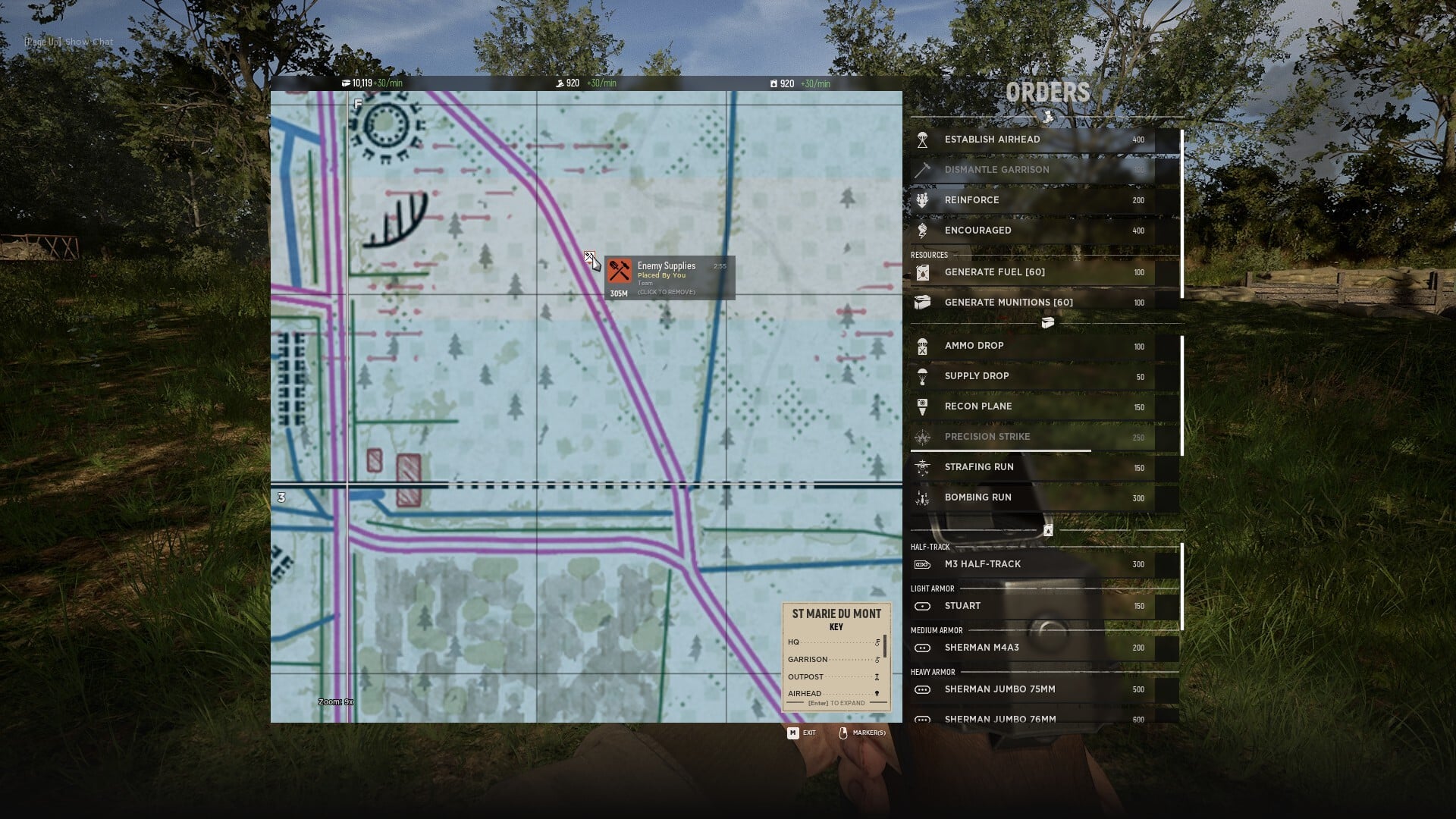
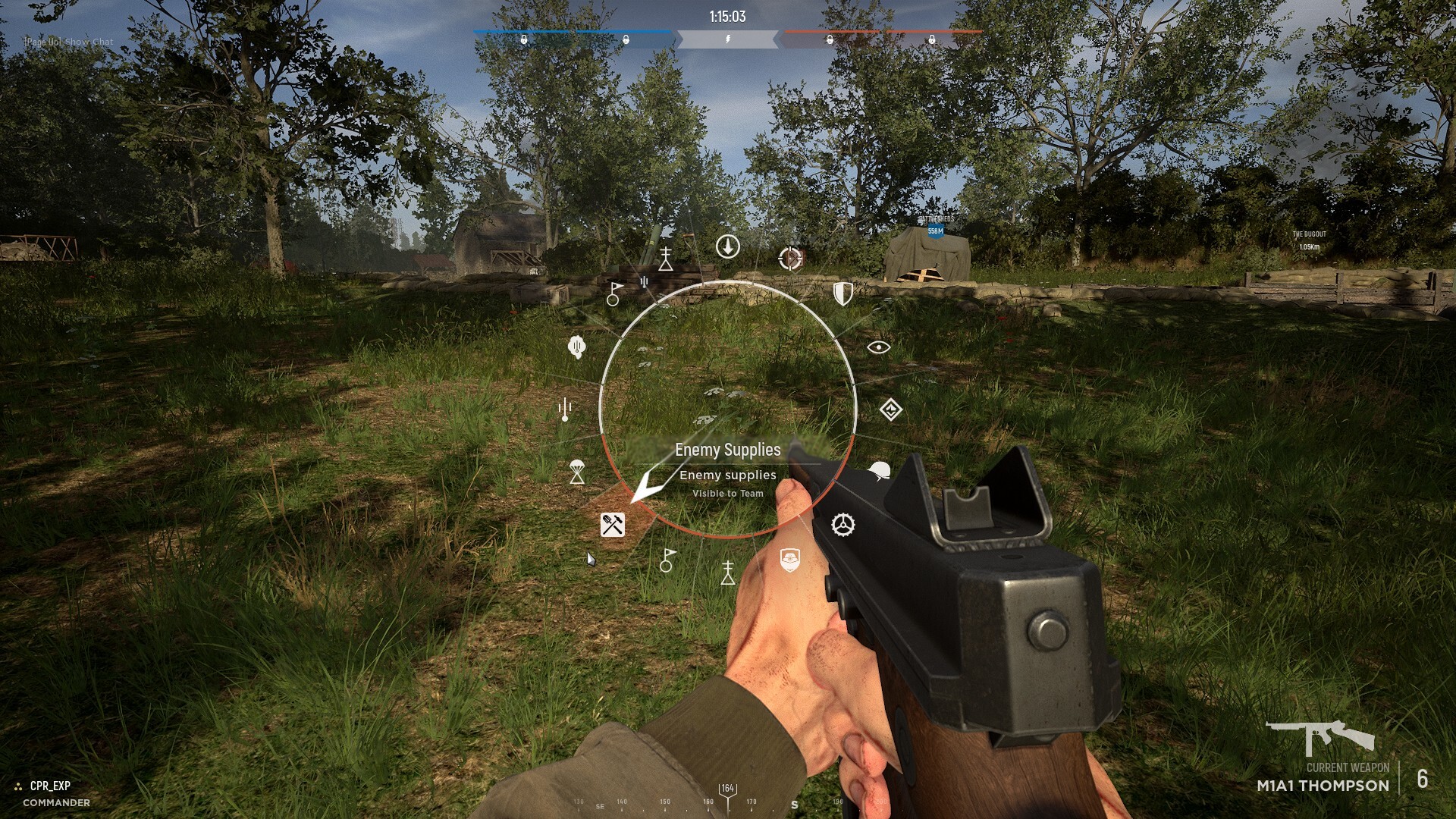
Players who are playing as the Support role can now pick up and redistribute their supply box should they wish to be relocated. Once a supply box is placed down and the cooldown has started, the player can interact with the box to resupply them back into their inventory. The cooldown the supply box will also be reset.
Note:
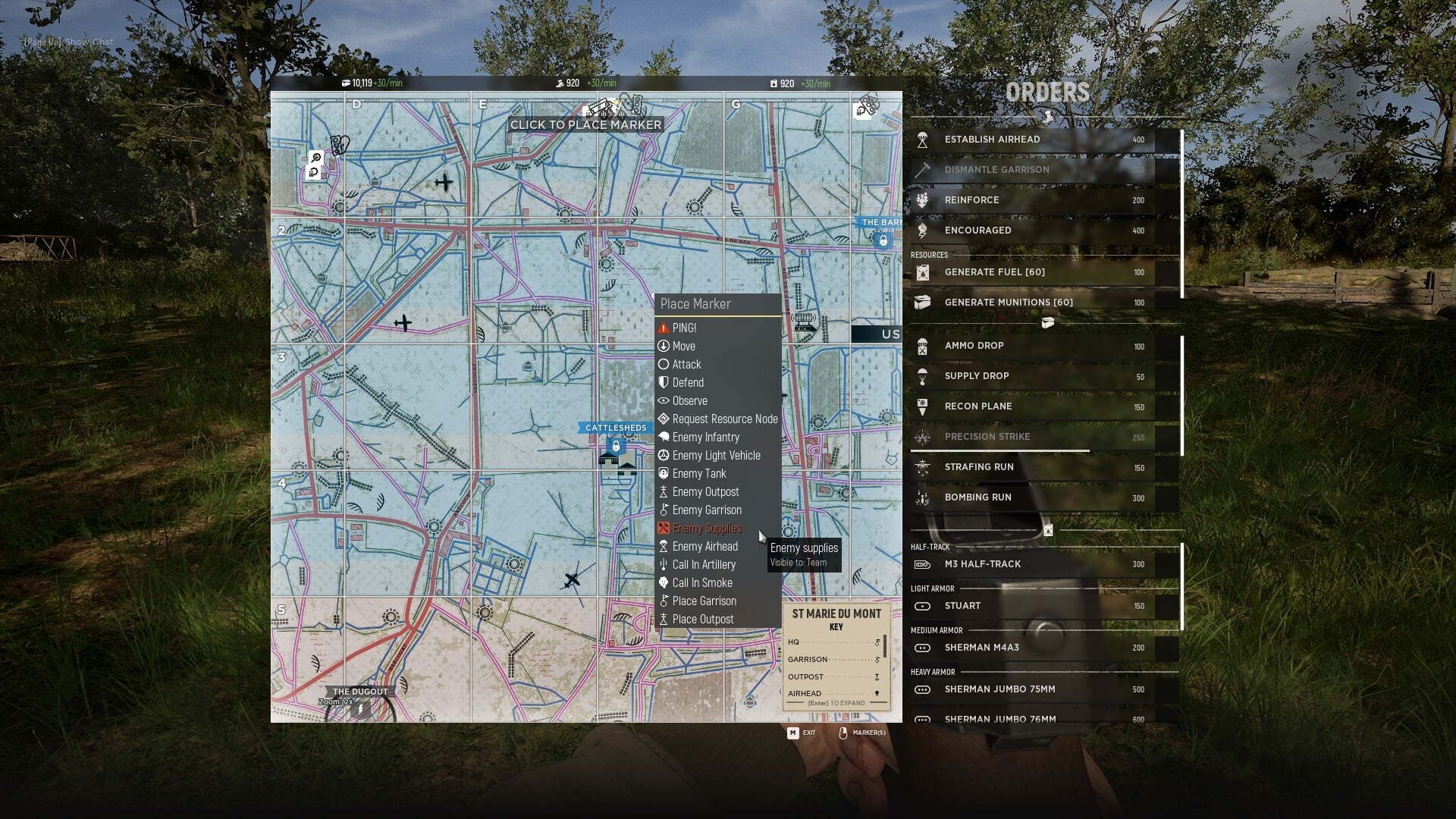
The ‘killed in action’ screen has been revamped, with players now given the following information:
A redeployment screen has been added, fixing the issue where players were incorrectly informed that they were ‘killed in action’. It also includes a breakdown of how long the player was alive since their last deployment.
The following network connection icons are available on the HUD:
The technical art has begun to address game-wide VFX improvements. The key area of initial focus was around vehicle explosion VFX. This was broken down by vehicle type, with explosions scaled to match each one. Some randomization was also added to the effect, making each explosion appear unique.
Dynamic sandstorms are now available in El Alamein Warfare and Offensive maps.
Dynamic rain storms with lightning are now in Driel Offensive maps.
Featured in the pack:
Powerbits.