by Powerbits
- This topic has 0 replies, 1 voice, and was last updated 9 years, 9 months ago by
 Powerbits.
Viewing 0 reply threads
- You must be logged in to reply to this topic.
This kind of protection is one of the most fascinating aspects of World War I, so for this video, I’m going to look at the development of body armor in the first World War, as well as what’s featured in Battlefield 1.
Historically, body armor evolved to protect users from the weapons available at the time. World War I brought with it the birth of industrialized warfare – machine guns, heavy artillery, and more lethal grenades. To counter these threats, many nations experimented with body armor to protect soldiers.
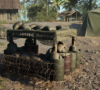
Types of body armor in WWI ranged from helmets, to chest plates, to stationary shields, to full-body armored suits. We see the same variety of armor in Battlefield 1.
Although many of these devices weren’t “bulletproof,” they didn’t always need to be – Medical records from World War I indicate over half of wounds were due to shrapnel. Around 35 percent of wounds were caused by bullets, and of those, an average of over 75% were low to middle velocity impacts. Most types of body armor were effective against low to middle velocity impacts.
The heavier forms of body armor were often cast aside when battlefields turned mobile. Military commanders of the time saw the most value in body armor when given to stationary soldiers like sentries and machine gun crews. Occasionally they were issued to shock troops, like the farina-type armor shown in Battlefield 1’s Avanti Savoia war story, though many field commanders saw more value in speed and discarded them.
Sources: Dean, B. (1920) Helmets and Body Armor in Modern Warfare
https://ia802609.us.archive.org/2/ite…
Powerbits.